High-Performance Private Label Skincare & Creams
Explore eight market-validated cosmetic solutions engineered for international beauty brands, dermatology clinics, and e-commerce leaders. Each formulation is fully customizable in lipid phase, sensory viscosity, functional actives, and shelf-ready packaging.
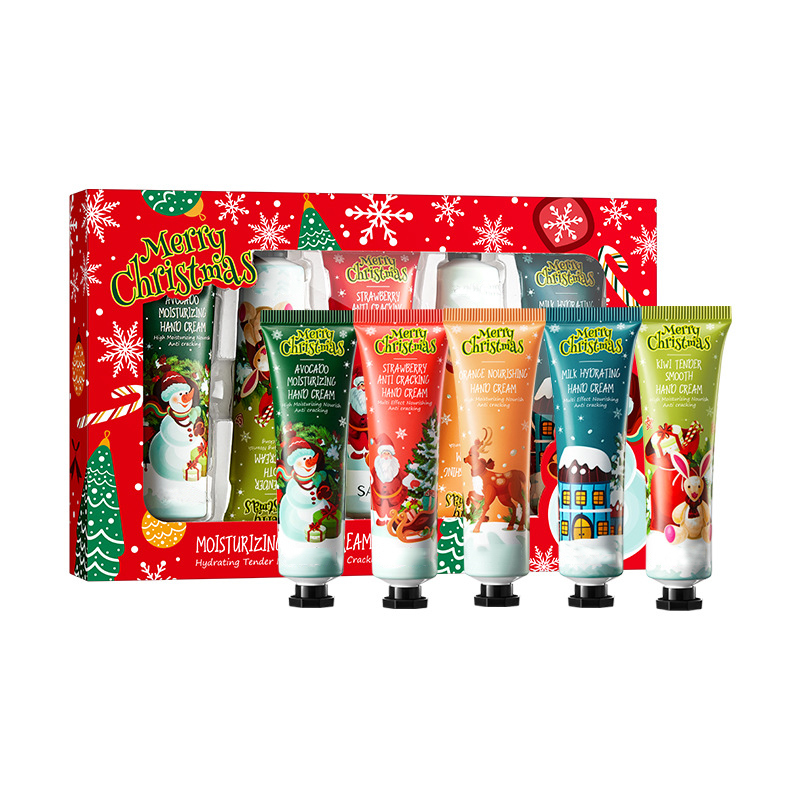
Private Label Hand Cream Moisturizing Hand Cream Whitening Mini Hand Cream Lotion
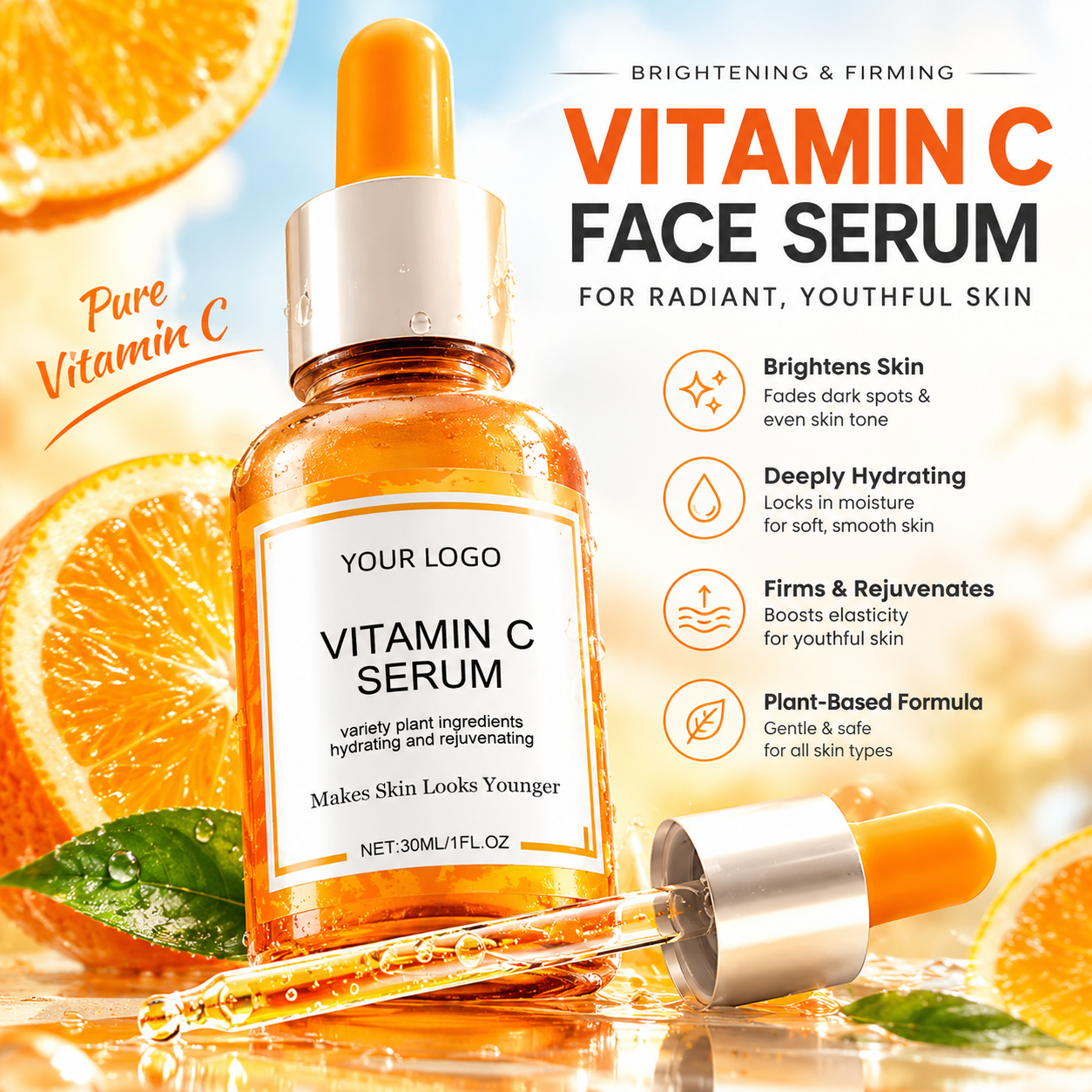
OEM Private Label VC Serum Skin Care Retinol Face Serum Natural Aging Whitening Vitamin C Serum
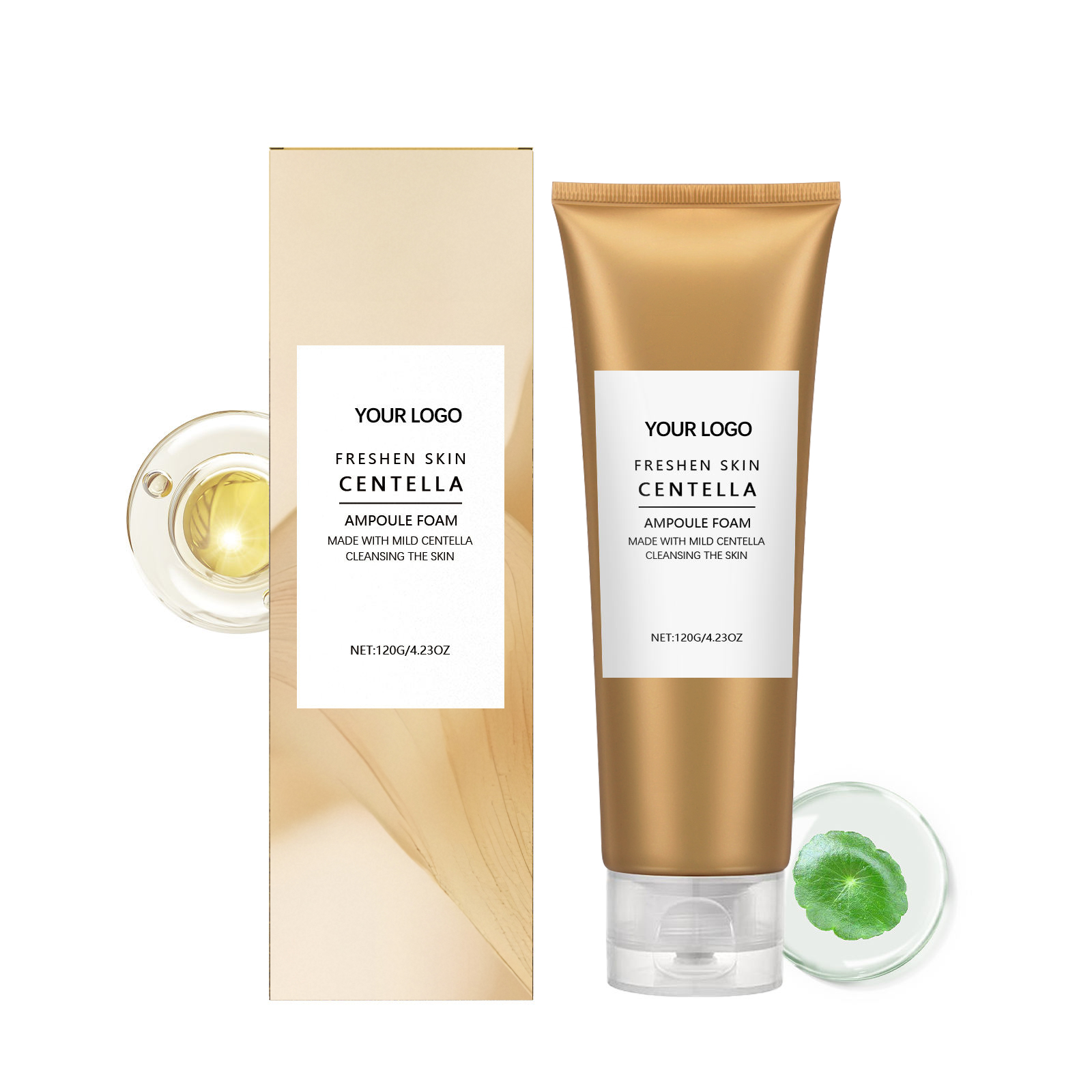
Private Label Natural Centella Face Wash Moisturizing Hydration Repairing and Restorative Nourishing Mild Facial Cleaner
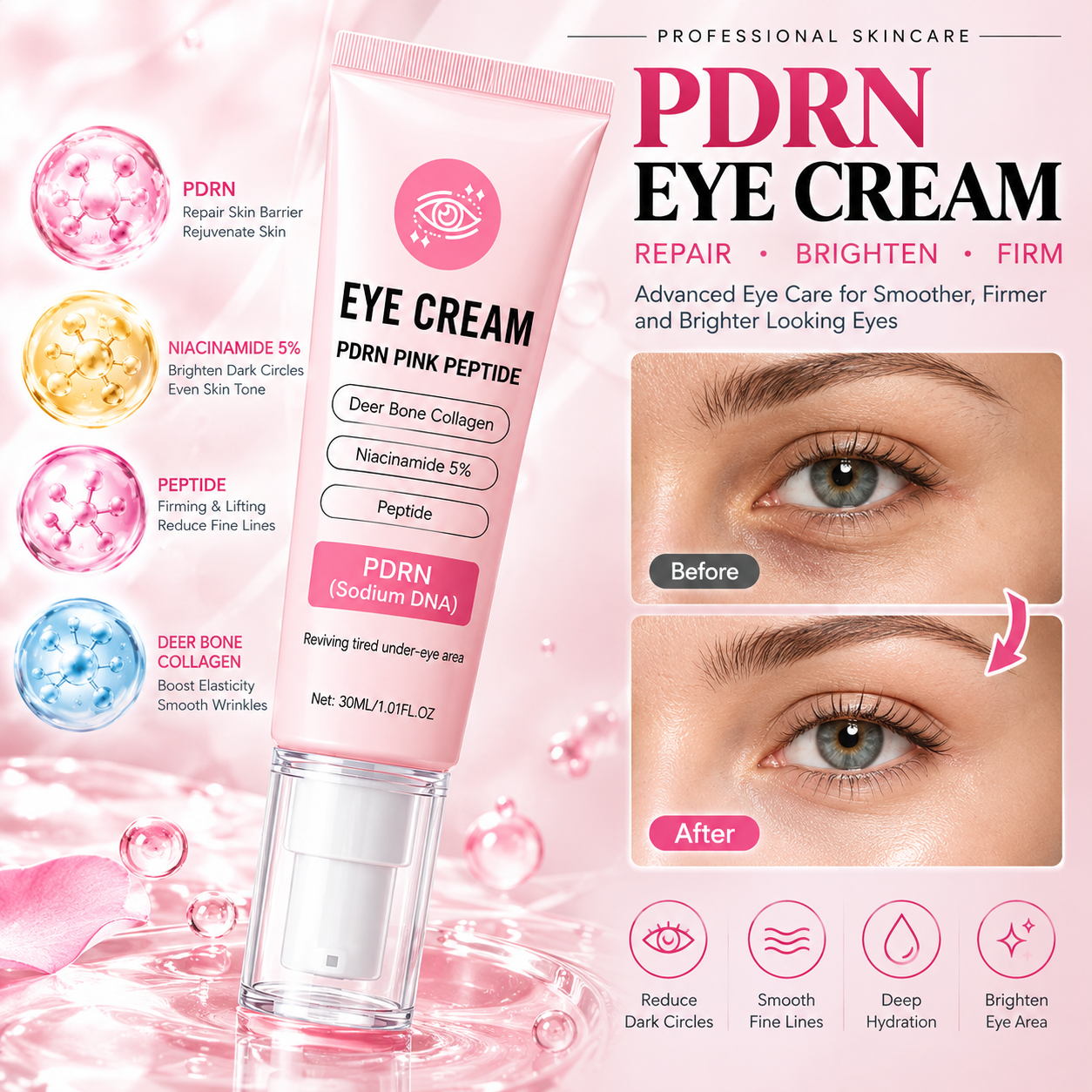
OEM Salmon DNA PDRN Peptide Eye Cream Anti Aging Dark Circle Remover Fine Lines Wrinkle Firming Lifting Hydrating Private Label
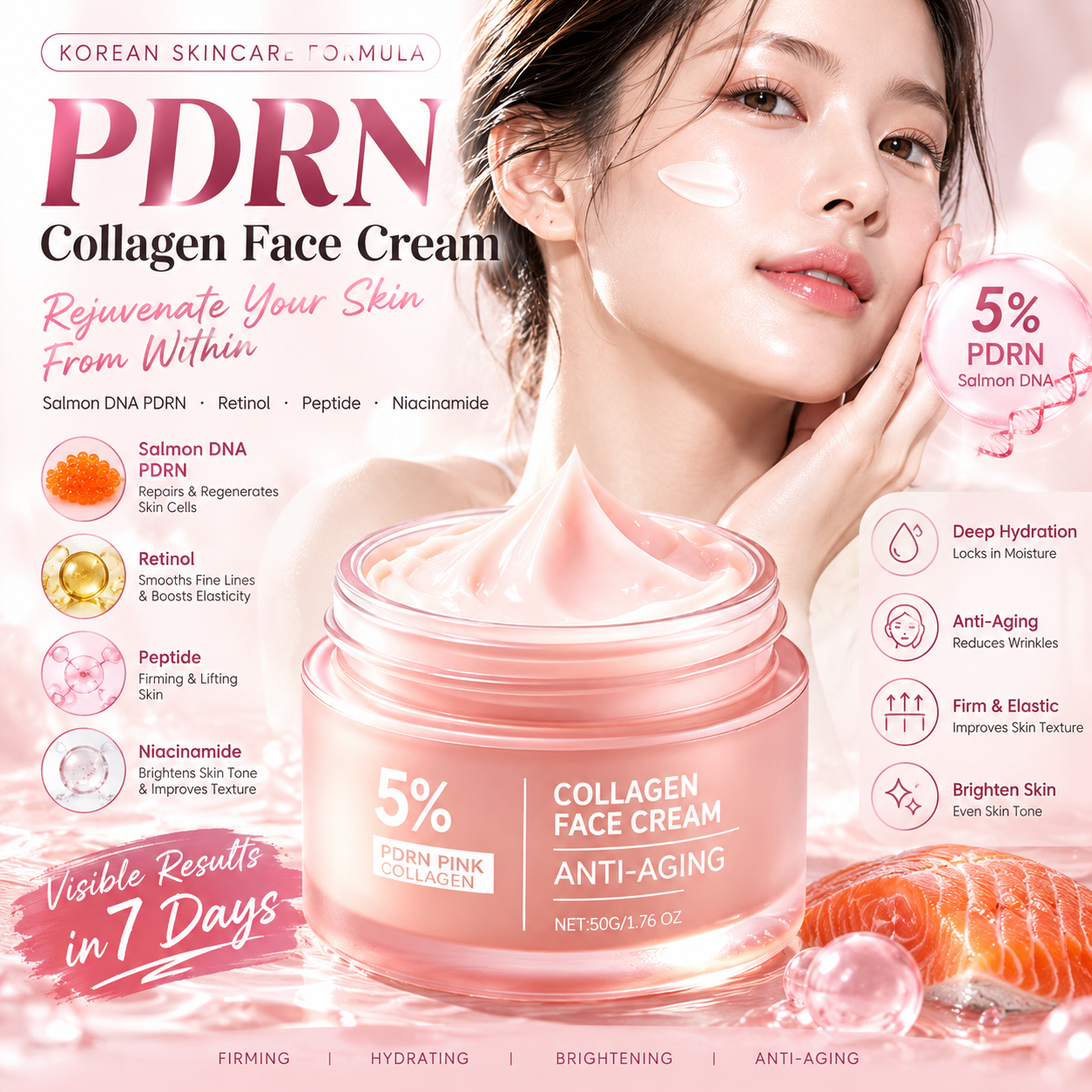
OEM Private Label PDRN Face Cream Salmon DNA Skin Repair Anti Aging Wrinkle Removal Moisturizing Whitening Wholesale Skin Care
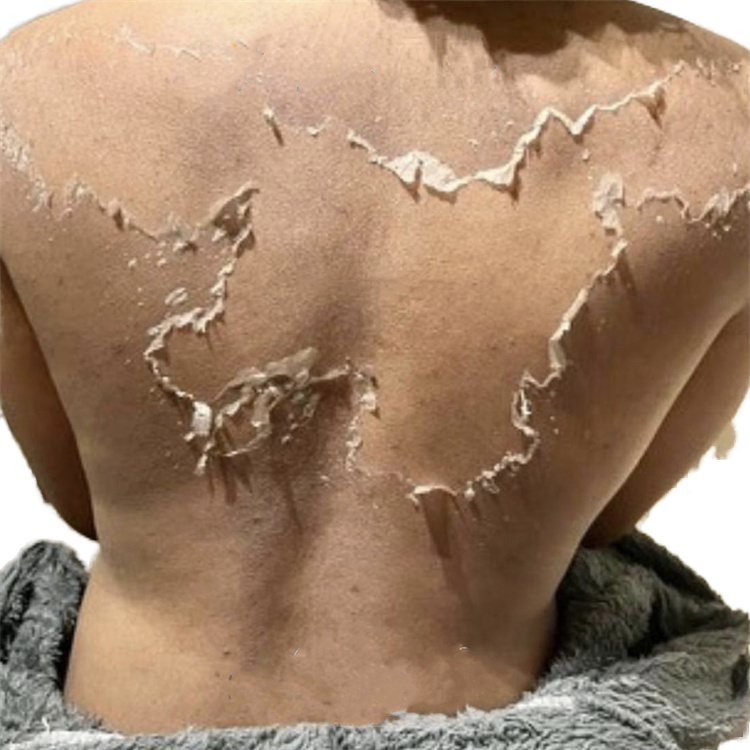
Extra Strong Chamomile Wax Peeling Oil Private Label Daily Use Whitening Yellow Oil Liquid Form OEM Supply
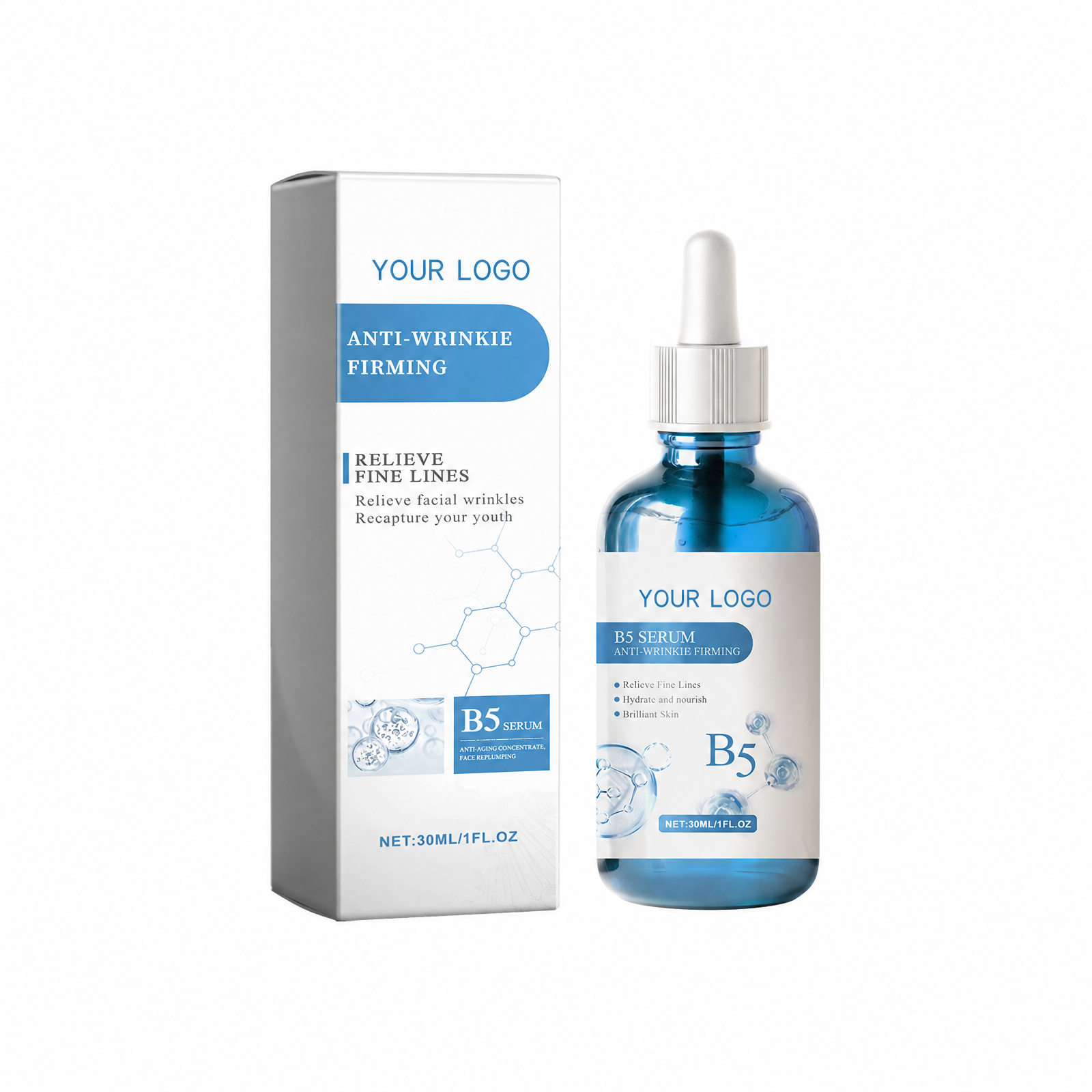
Vitamin B5 Serum Anti-Wrinkle Firming Face Essence Hyaluronic Acid Panthenol 30ml Anti-Aging Hydrating Skin Care Products OEM
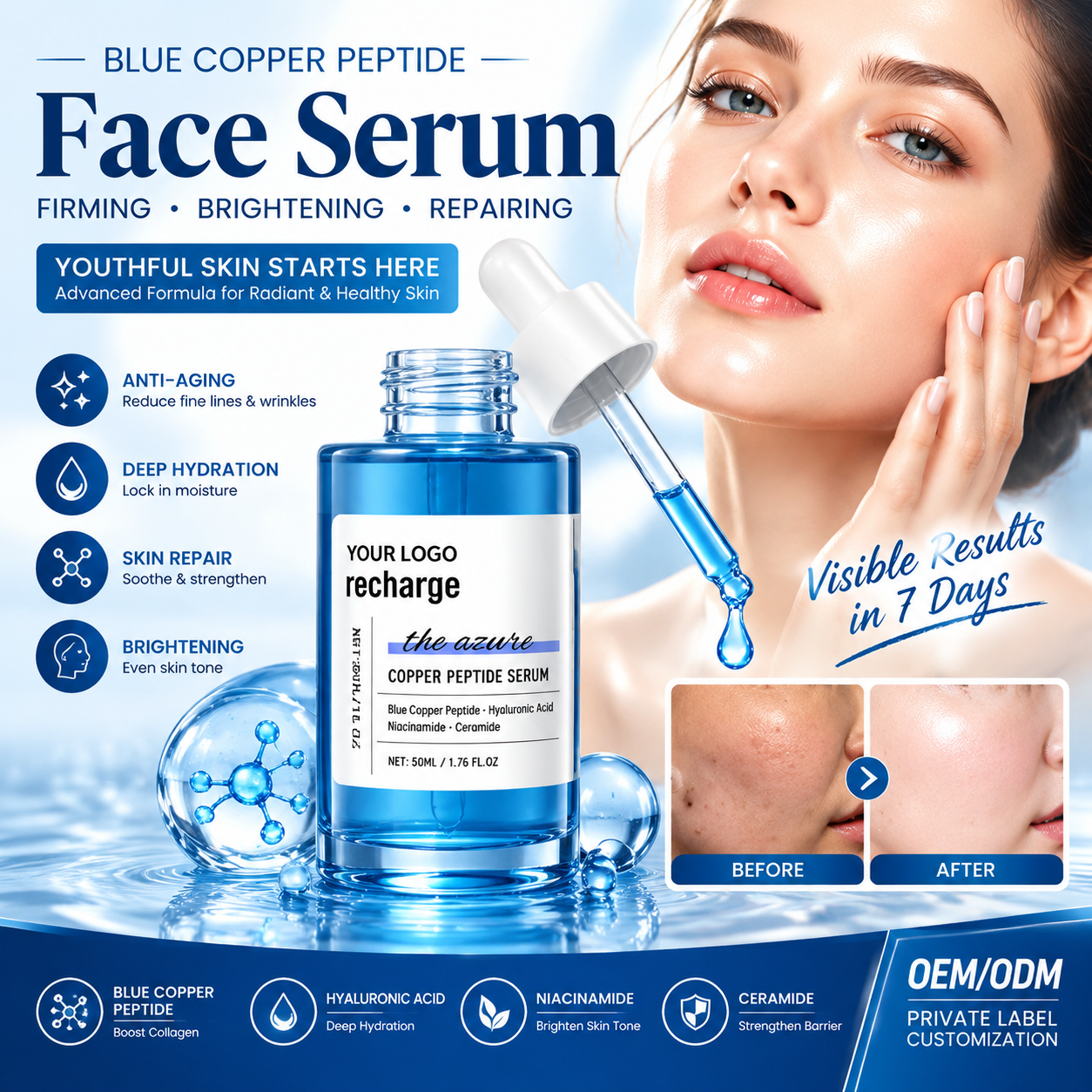
Private Label Blue Copper Peptide Face Serum Anti-Aging Firming Wrinkle Removal Facial Skin Care Products Ghk-Cu Essence OEM ODM
Emulsion Science & Contract Manufacturing Disciplines
In high-end cosmetic contract manufacturing, producing a stable, sensory-optimized face or body cream transcends standard ingredient blending. It requires high-shear vacuum homogenization, precise phase inversion temperature (PIT) monitoring, and lipid crystalline structuring to protect bio-actives while delivering an exquisite skin feel.
Lamellar Gel Network (LGN) Engineering
Modern consumers demand creams that absorb effortlessly without leaving greasy film residues. Through lamellar liquid crystal formulation, our laboratories mimic the intercellular lipid matrix of the stratum corneum (Ceramides, Cholesterol, and Free Fatty Acids). This biomimetic structure reinforces barrier repair and sustains transepidermal water loss (TEWL) reduction for over 48 hours.
- Enhances active penetration through physiological pathways
- Sub-micron droplet dispersion down to 200–500 nanometers
- Prevents Ostwald ripening and coalescence in thermal stress
Vacuum Deaeration & Shear Homogenization
Microscopic air bubbles trapped during emulsification degrade delicate active peptides, oxidize polyphenols, and cause viscosity collapse over time. Our cleanroom facilities operate closed-loop stainless steel (SUS316L) emulsifiers operating under -0.09 MPa vacuum with multi-speed scraping agitators (10–65 RPM) and high-speed homogenizers (up to 3,500 RPM).
- Guarantees glass-smooth textures and mirror-gloss finishes
- Eliminates aerobic microbial risks introduced during processing
- Preserves the integrity of sensitive actives like Retinol and PDRN
Clean Preservation Architectures
With tightening regulatory limits across North America (MoCRA) and the European Union (Regulation EC No 1223/2009), conventional parabens, formaldehyde releasers, and MIT/CMIT are obsolete. We utilize multifunctional booster architectures combining Caprylyl Glycol, Ethylhexylglycerin, 1,2-Hexanediol, and natural organic acids to establish robust broad-spectrum antimicrobial efficacy.
- Conforms to ISO 11930 Preservative Efficacy Testing (PET)
- Non-sensitizing profile suited for hypersensitive skin panels
- Derm-tested, hypoallergenic, and non-comedogenic certified
Emerging Procurement Trends in Private Label Skincare
B2B brand buyers, clinical aesthetics groups, and enterprise retail importers face evolving supply chain dynamics. Staying competitive requires understanding the macro shifts governing ingredient sourcing, low-carbon emulsification, and multi-market regulatory compliance.
1. High-Efficiency Agile Batching (Hybrid MOQs)
Enterprise brands no longer commit to massive 20,000-unit opening orders without real market data. The modern contract manufacturing standard hinges on low MOQ trial piloting (from 500 to 1,000 pieces per SKU for custom formulations, and as low as 10 to 50 units for ready-to-brand stock formulas), followed by rapid automated scaling once digital ad funnels and channel distributions convert.
2. Turn-Key Regulatory Dossier Delivery
Procuring overseas cosmetic formulations without regulatory documentation poses high customs and brand seizure risks. Brand directors prioritize suppliers delivering turnkey compliance portfolios: verified Certificate of Analysis (COA), detailed Safety Data Sheets (MSDS), CPSR (Cosmetic Product Safety Report), CE dossiers, and European CPNP (Cosmetic Products Notification Portal) notification support.
3. Cold-Process & Sustainable Supply Chains
Corporate sustainability mandates are driving the adoption of cold-process emulsifiers (such as polyglyceryl esters and natural polymeric thickeners) that blend without prolonged heating above 75°C. This significantly cuts manufacturing carbon emissions, shortens cooling vessel cycles by up to 40%, and mitigates thermal degradation of unrefined botanical extracts.
| Evaluation Parameter | Tier 1 Standard (Cairas Operational Benchmark) | Sub-Standard Sourcing Risk |
|---|---|---|
| Cleanroom Certification | ISO 22716 & US FDA GMP audited; automated HEPA positive-pressure air balance. | Uncertified assembly environments causing microbial cross-contamination. |
| Batch Stability Testing | Real-time 3-month accelerated stability testing (4°C, 25°C, 45°C), freeze-thaw cycles (-10°C to 40°C), and 3,000 RPM centrifuge challenge. | Phase separation, oil syneresis, discoloration, and precipitation within 60 days on shelf. |
| Water Purification Standard | Multi-stage Reverse Osmosis (RO) + EDI deionization delivering < 1 µS/cm conductivity. | Tap or raw filtered water containing heavy minerals, inducing active oxidation. |
| Third-Party Facility Audit | Verified Onsite by Intertek; comprehensive capacity, labor, and QC assessment. | Middleman trading fronts lacking genuine batching machinery or formulation labs. |
| Traceability & Retention | Lot retention in dedicated environmental chambers for 36 months; full raw batch tracing. | No retained batch archives, leading to total liability in case of consumer complaints. |
Formulation Development Trends (2025–2030)
The global face cream and anti-aging skincare market is undergoing a rapid evolution toward clinical biomimicry and target-vector delivery. Formulators must balance skin friendliness with visible physiological performance.
1. Polynucleotides (Salmon PDRN) & Peptides
Polydeoxyribonucleotide (PDRN) derived from salmon sperm DNA represents a groundbreaking shift from superficial moisturizing to cellular regeneration. When paired with bio-fermented oligopeptides and copper tripeptide-1 (GHK-Cu), PDRN stimulates fibroblast proliferation, activates collagen synthesis type I/III, and expedites epidermal re-epithelialization for post-procedure and anti-wrinkle regimens.
2. Multi-Pathway Melanin Regulation
Traditional single-pathway brighteners like hydroquinone carry safety restrictions in major consumer markets. Modern whitening face and hand creams utilize complex multi-tiered matrices: stabilized Ethyl Ascorbic Acid (Vitamin C), high-purity Niacinamide (blocking melanosome transfer to keratinocytes), and botanical peeling acids (Chamomile wax, AHAs) for safe, gradual tone correction.
3. Neuro-Sensory Textures & Fast-Break Emulsions
Sensory aesthetics dictate high consumer retention rates. Our R&D specialists formulate transformative sensory architectures: thick, balm-like emulsions that collapse into weightless, watery bursts upon shearing ("water-drop creams"), velvet matte-finish face gels, and nourishing mini-hand balms that absorb in under 15 seconds without leaving fingerprints on digital devices.
Why Leading Brands Partner with Guangzhou Cairas
Founded in 2009 in Guangdong, China, Guangzhou Cairas Beauty Products Co., Ltd. has spent over 17 years building a vertically integrated skincare manufacturing infrastructure, serving global brand owners, salon distributors, and high-growth e-commerce enterprises.
12,180 m² Certified Cleanroom Facility
Our expansive industrial base houses positive-pressure cleanrooms conforming to ISO 22716 and GMP standards. Continuous particle monitoring, automated micro-filtration, and zoned employee sanitization corridors guarantee pharmaceutical-level cleanliness across every batching run.
Intertek Onsite Assessed & Audited
Unlike middleman brokers, our production lines and manufacturing capabilities have been thoroughly examined and verified onsite by Intertek. Buyers enjoy complete transparency with verifiable audit reports, operational licenses, and factory verification credentials.
In-House Analytical Quality Laboratories
Every single production batch undergoes stringent checkpoints before release: digital Brookfield viscometers, precision micro-pH meters, high-speed thermal centrifuges, Abbe refractometers, and microbiological incubator culture tests to verify zero contamination.
Global Raw Material Procurement Network
Leveraging direct supplier alliances with over 70 world-class chemical and botanical extract houses across Germany, Japan, France, and the USA, we lock in bulk raw material pricing, insulating our contract clients from volatile ingredient inflation.
Comprehensive Global Export Support
Shipping into North America, Western Europe, Oceania, and Southeast Asia, our logistics department manages end-to-end export documentation: Bill of Lading, custom packaging labels, dangerous goods declaration (when required), and flexible terms including FOB, CIF, and DDP direct to your warehouse door.
Dedicated Engineering & Project Managers
From initial bench sample formulation to custom bottle tooling, silk screening, box cartoning, and final quality sign-off, you are assigned a dedicated English-speaking account director and cosmetic formulation chemist to accelerate your time-to-market.
Frequently Asked Questions on Cream Sourcing & Manufacturing
Essential operational, technical, and regulatory answers designed for beauty entrepreneurs, sourcing directors, and enterprise supply chain executives.
For pre-formulated stock bases in our standard inventory packaging, minimum order quantities can start as low as 10 to 50 pieces, providing an ideal path for live market testing. For fully customized formulas requiring unique active percentages, proprietary fragrances, or custom mold packaging, MOQs generally begin at 500 to 1,000 units per SKU.
Yes. Our reverse-engineering R&D lab can analyze an existing benchmark product's sensory profile, viscosity, pH, and ingredient declaration (INCI). We can reproduce the target texture while optimizing active ingredient concentrations (e.g., boosting PDRN, Niacinamide, or Copper Peptides) or eliminating unwanted synthetic additives to fit clean beauty standards.
Every custom batch undergoes accelerated stability chambers: stored at 4°C, 25°C, and 45°C under controlled relative humidity for 12 weeks to predict a 3-year commercial shelf life. Furthermore, samples undergo multiple freeze-thaw cycles (-10°C to 45°C) and centrifugation at 3,000 RPM for 30 minutes to verify zero phase separation, bleeding, or active degradation.
We supply a complete regulatory dossier with every production release: signed batch Certificate of Analysis (COA), 16-section GHS-compliant Safety Data Sheets (MSDS), stability and microbial test records, allergen statements, and animal-testing-free declarations. For European customers, we supply comprehensive toxicological profiles for CPNP notification.
Custom lab sample formulation typically takes 3 to 7 working days. Once the benchmark sample, packaging artwork, and technical specifications are approved, standard mass manufacturing (bulk emulsification, micro-testing, filling, coding, cartoning, and QA release) takes approximately 18 to 25 working days, depending on packaging procurement complexities.
We source and print across multiple packaging mediums: acrylic jars, airless pump dispensers (critical for air-sensitive actives like Retinol and Vitamin C), eco-friendly PCR (post-consumer recycled) plastic tubes, and amber glass bottles. We perform rigorous compatibility testing to ensure formula lipids do not cause stress cracking, pump clogging, or label delamination.
Initiate Your Custom Formulation Project Today
Whether you require market-ready private label formulations or a proprietary clinical face cream engineered from the ground up, our Guangzhou OEM/ODM specialists are ready to review your product brief, dispatch lab bench samples, and prepare transparent manufacturing quotations.