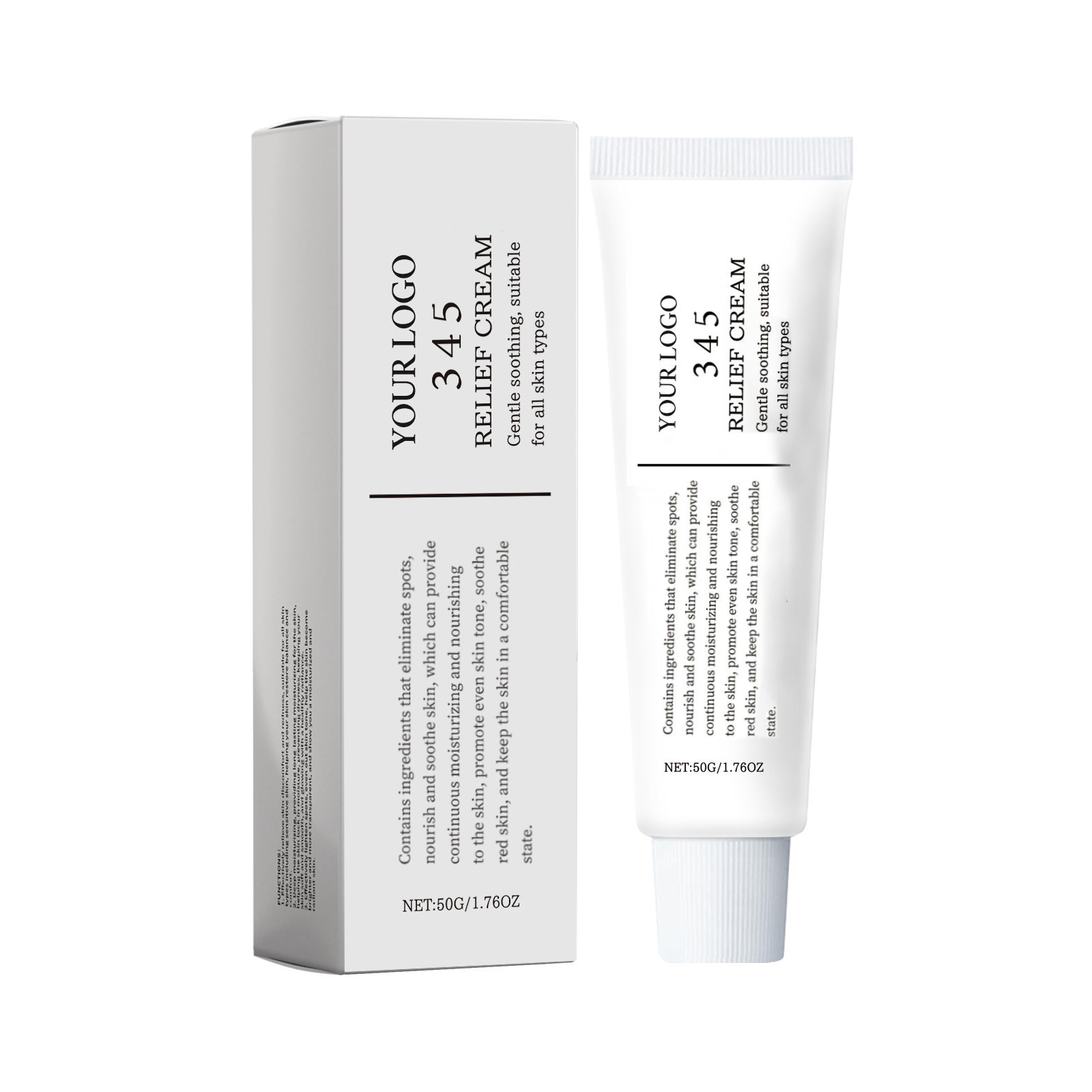
345 Relief Cream Daily Face Moisturizer Blemish Relief Care Soothing Recovery & Moisture Korean Vegan Skin Care
Vegan Lipid Barrier
Post-Acne Relief
Low MOQ Support
Laboratory-tested formulas manufactured in our Guangzhou production hub, available for low-minimum custom batch run, buyer labeling, and worldwide freight dispatch.
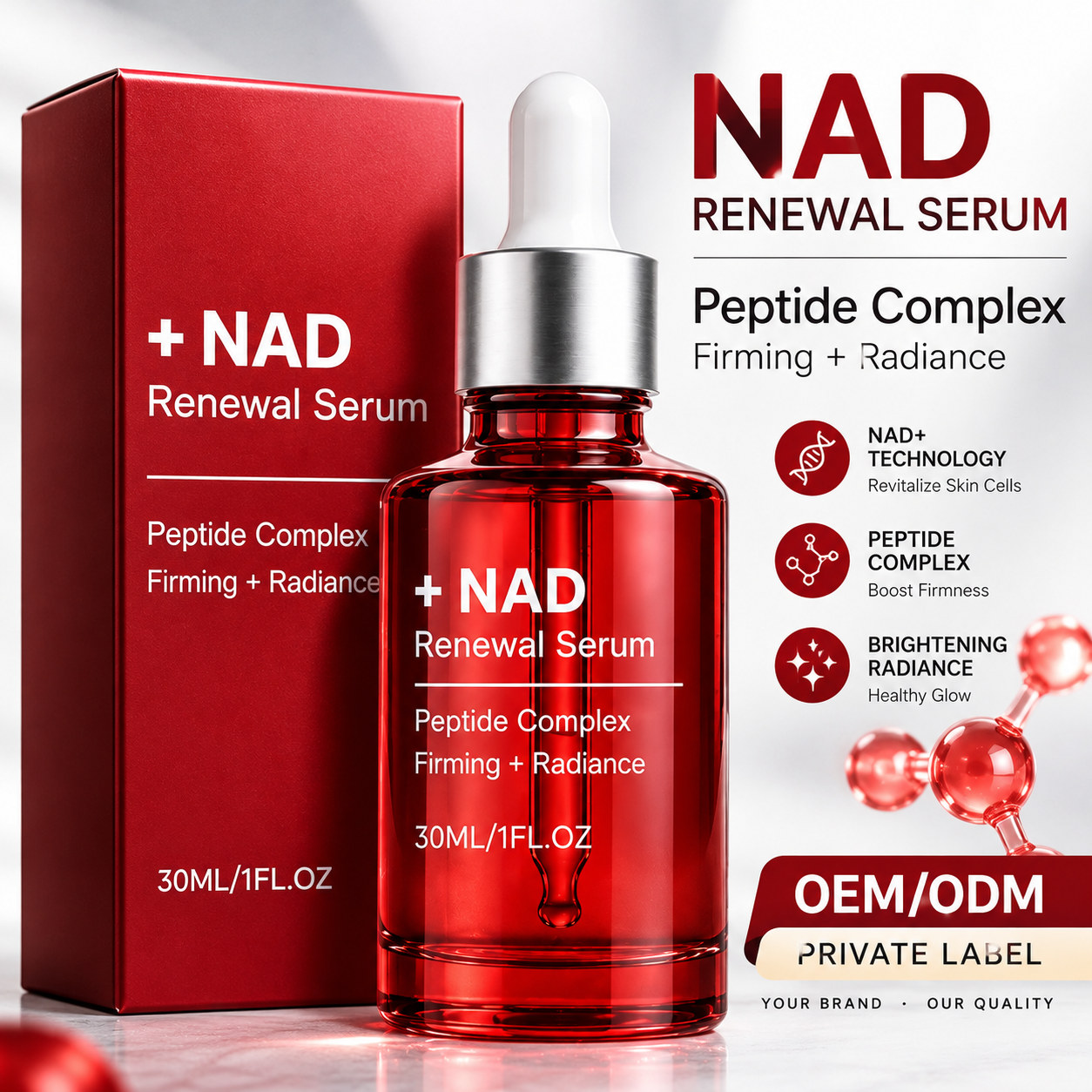
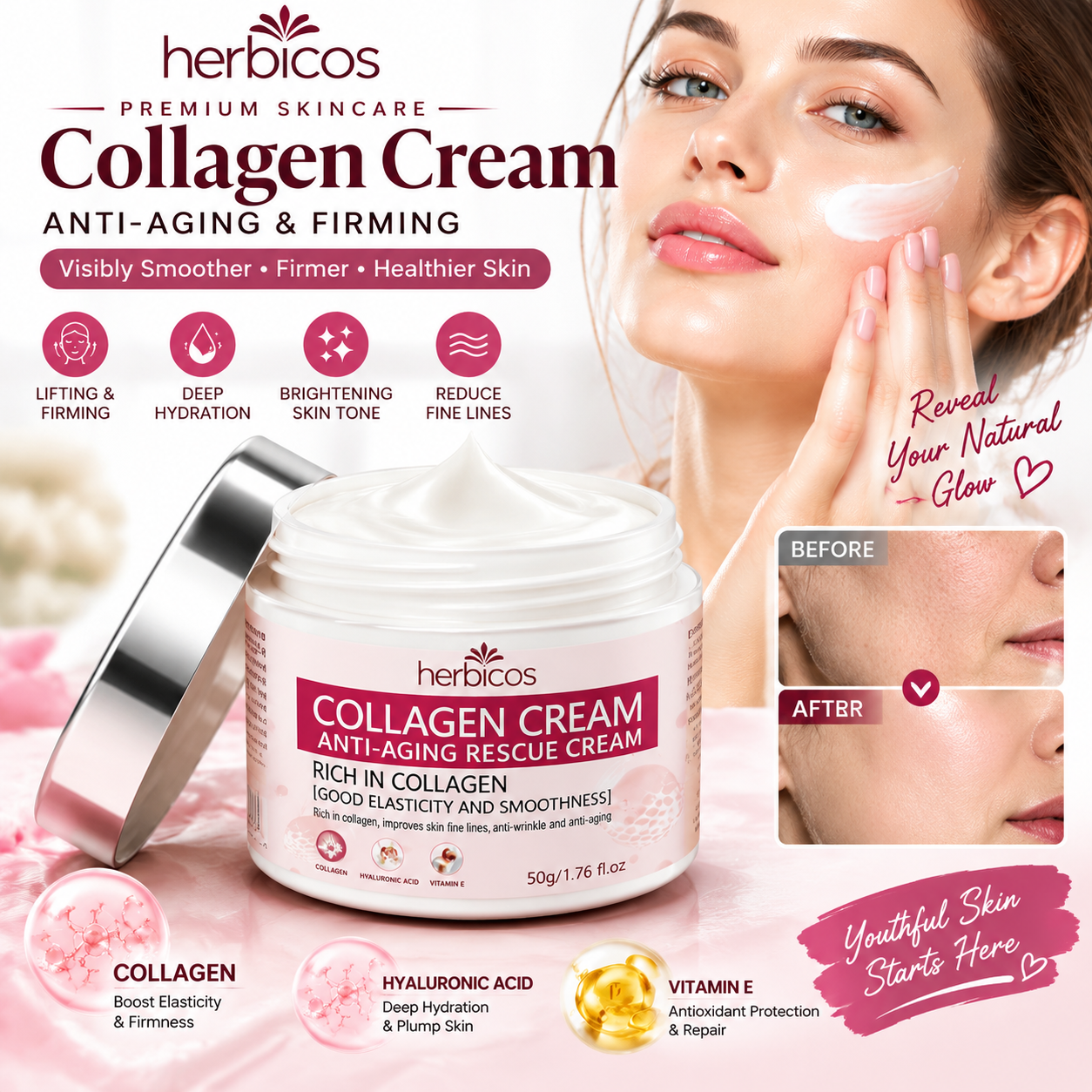
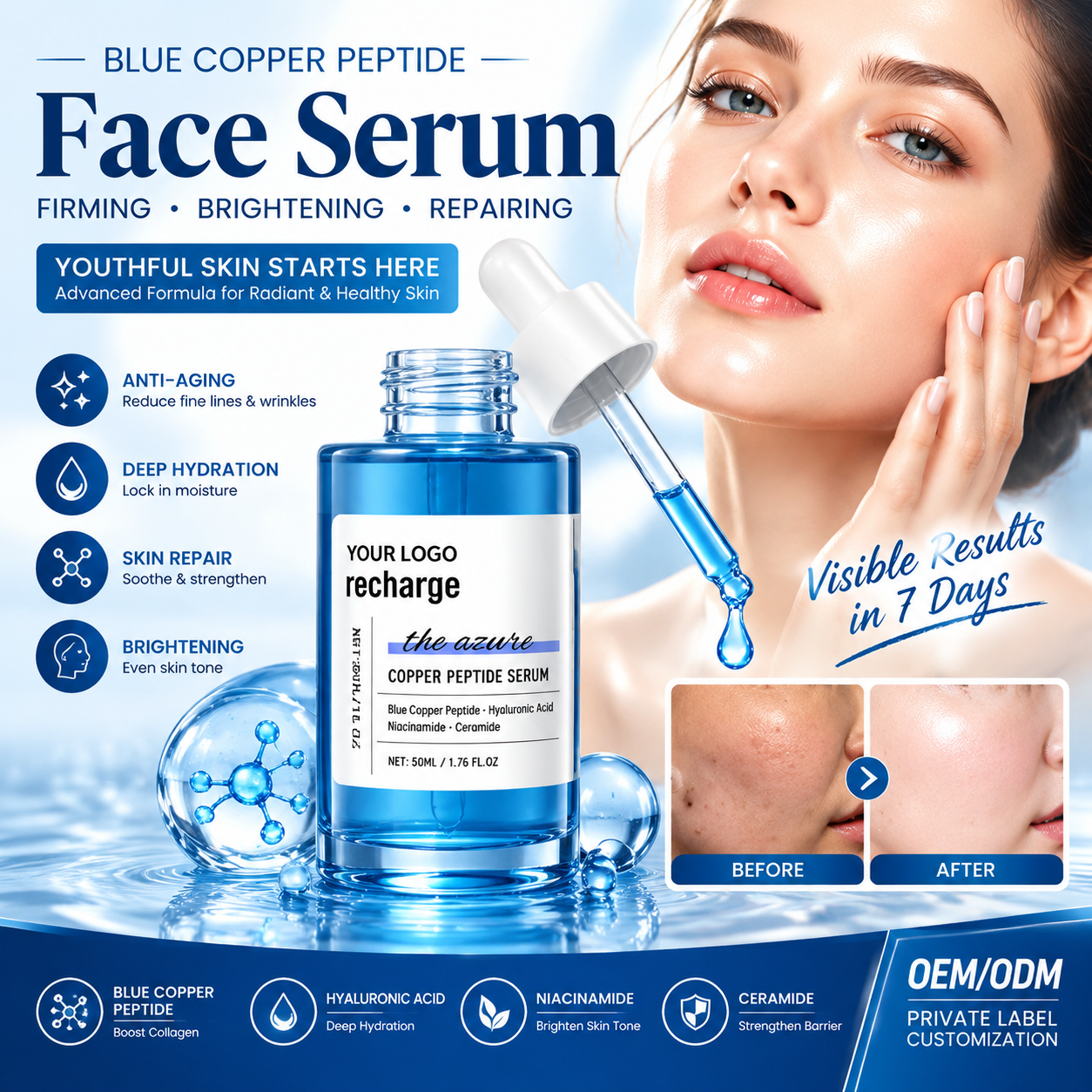
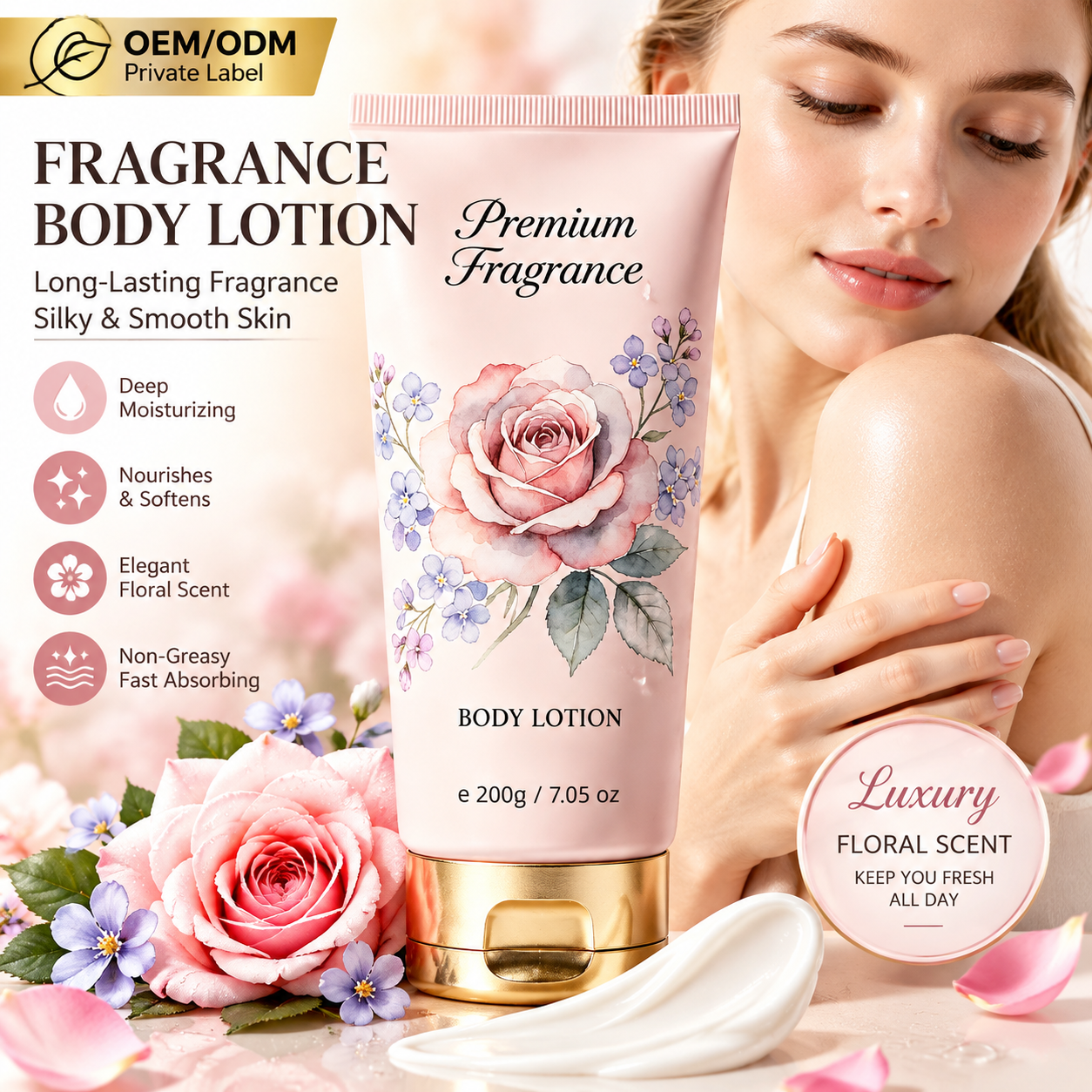
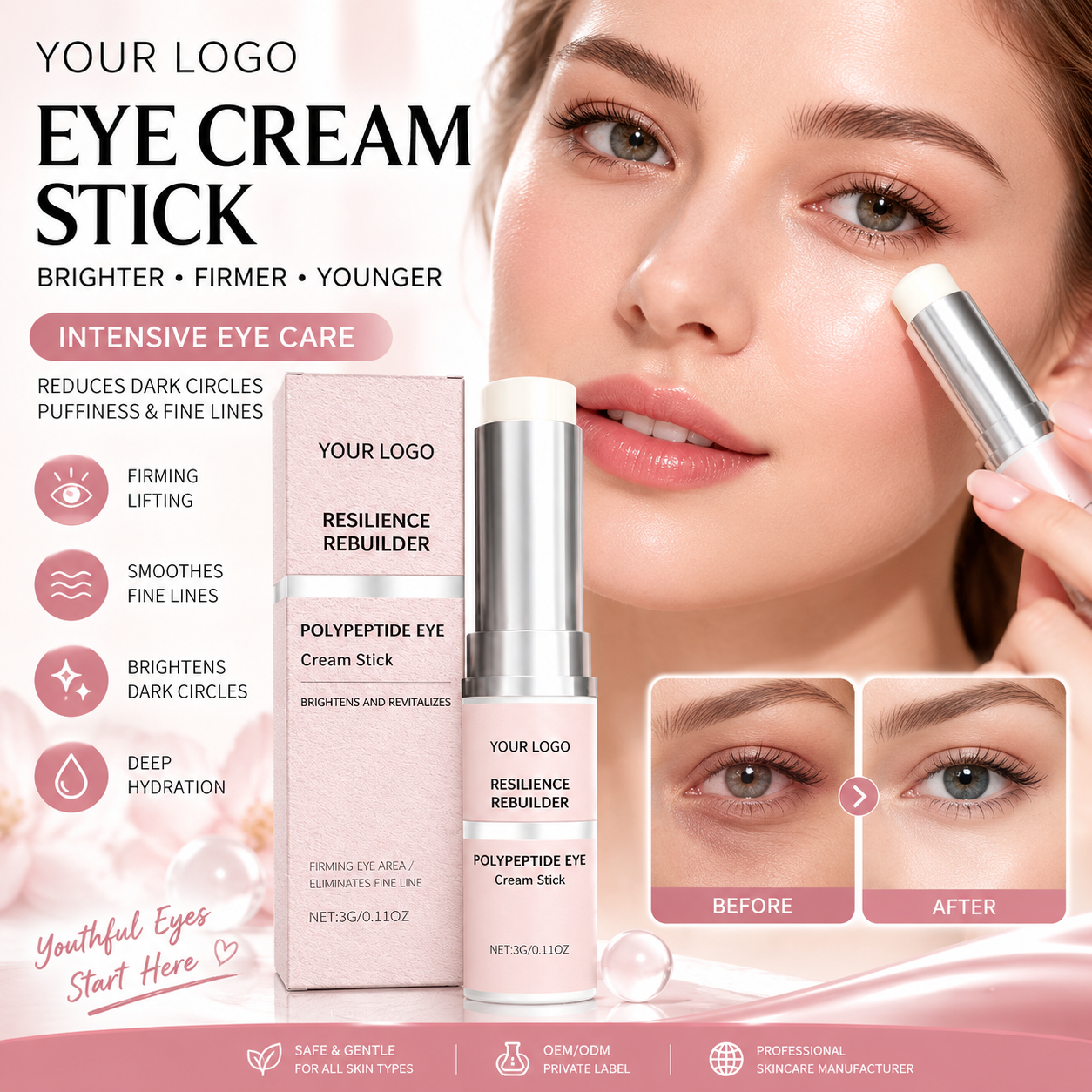
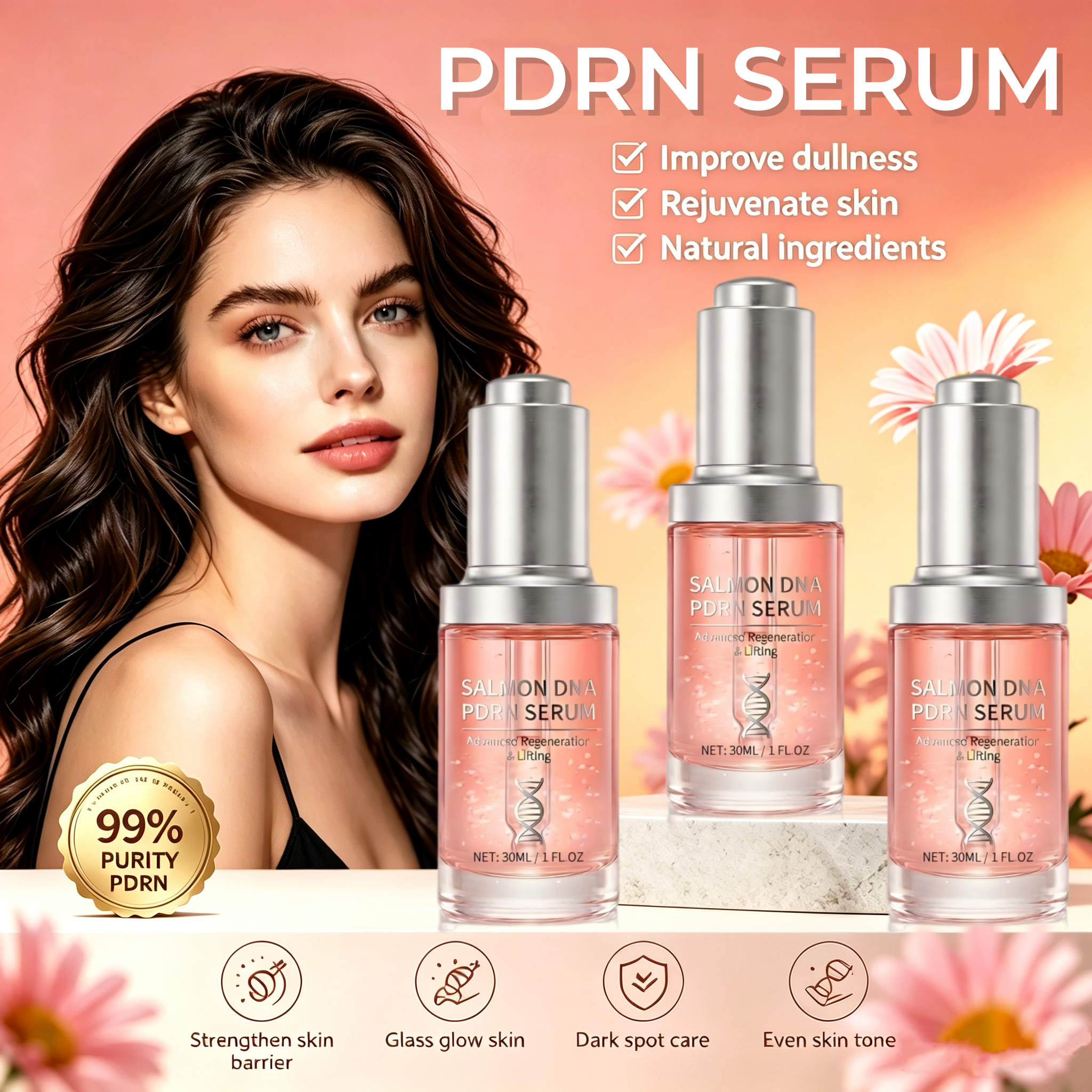
How international cosmetic procurement officers, pharmacy chains, and high-growth beauty brands validate bio-active ingredient integrity, regulatory compliance, and factory stability.
The global cosmeceutical sector has transitioned decisively from traditional emollient hydrators toward targeted transdermal signaling agents. Wholesale purchasers are no longer satisfied with generic "peptide" marketing claims on technical data sheets. Professional brand owners demand rigorous analytical verification, molecular weight traceability, and proven stabilization matrices that prevent the proteolytic cleavage of sensitive amino acid chains. Sourcing peptide serums requires a deep understanding of manufacturing capabilities, cleanroom engineering, and regulatory dossier preparation.
Commercial peptide raw materials can vary significantly in active polypeptide content. Leading contract manufacturers utilize High-Performance Liquid Chromatography (HPLC) and Mass Spectrometry (MS) to verify peptide concentrations above 98.5% purity, excluding salt impurities and unreacted peptide fragments that trigger allergenicity.
Navigating cross-border regulatory frameworks such as the US Modernization of Cosmetics Regulation Act (MoCRA) and the EU Cosmetic Product Notification Portal (CPNP) demands comprehensive Safety Data Sheets (SDS), stability records across accelerated thermal cycles, and full toxicological profiles.
Fragile complexes like Copper Tripeptide-1 (GHK-Cu) are vulnerable to oxidative oxidation and rapid color shift when exposed to trace iron or light. Industrial factories must implement dedicated deionized water multi-stage filtration (conductivity < 1.0 µS/cm) and inert nitrogen-purged filling lines.
An in-depth biochemical analysis of topical peptide modalities dominating enterprise retail channels through 2026–2030.
Peptides are short chains of amino acids linked by peptide bonds, serving as direct biological communicators to dermal fibroblasts. Because native macromolecules often struggle to bypass the lipophilic stratum corneum, modern OEM cosmetic chemistry relies on lipophilic palmitoylation (e.g., Palmitoyl Pentapeptide-4, Palmitoyl Tripeptide-1), liposomal encapsulation, and biomimetic peptide hybridization. In this evolving landscape, procurement strategies must match specific clinical claims with verified bio-mechanism efficacy.
| Peptide Category | Key Biochemical Actives | Primary Clinical Mechanism | Stability & Formulation Requirements | Optimal In-Formula Concentration |
|---|---|---|---|---|
| Carrier Peptides | Copper Tripeptide-1 (GHK-Cu) | Delivers essential trace copper to wound-healing enzymes; triggers pro-collagen and elastin synthesis. | Strictly pH 6.0–7.0; avoid strong direct Vitamin C (L-Ascorbic) or chelating EDTA that pulls copper ions. | 0.05% to 0.5% (High Potency) |
| Neurotransmitter Inhibitors | Acetyl Hexapeptide-8 (Argireline), Pentapeptide-18 | Inhibits the SNAP-25 protein complex, modulating SNARE assembly to diminish facial expression muscle tension. | Hydrophilic solvent phase; temperature controlled below 45°C during final emulsification addition. | 3.0% to 10.0% solution assay |
| Signal Peptides | Palmitoyl Tripeptide-5, Matrixyl 3000 | Mimics TGF-beta to stimulate extracellular matrix structural integrity and hyaluronic acid production. | Excellent thermal stability up to 55°C; broad pH tolerance (4.5 to 7.5); lipophilic chain aids absorption. | 1.0% to 4.0% |
| Biomimetic DNA Complexes | Salmon PDRN (Polydeoxyribonucleotide) | Adenosine A2A receptor agonist accelerating micro-circulation, tissue renewal, and cellular repair pathways. | Requires sterile-grade ultrafiltration and non-ionic preservation to avoid precipitation or molecular shearing. | 0.5% to 2.0% |
The latest clinical shift combines signal peptides with non-cleaving co-factors such as Nicotinamide Adenine Dinucleotide (NAD+) and vegan barrier humectants. Formulations designed around multi-weight hyaluronic acid vectors ensure that small oligo-peptides penetrate deeper dermal junctions while high-weight polymers preserve trans-epidermal hydration.
Operating since 2009, our high-precision cosmetic facility unites clinical R&D with scalable automated mass production.
Guangzhou Cairas Beauty Products Co., Ltd. operates an advanced 12,180 m² production base in Guangdong, China, audited and verified onsite by Intertek. Designed specifically to eliminate batch-to-batch variation, our workshops are constructed in alignment with Class 100,000 cleanroom air filtration guidelines, GMP principles, ISO 22716 Cosmetics Manufacturing regulations, and ISO 9001 quality systems. We support global enterprise buyers across Europe, North America, Oceania, and Southeast Asia, generating an annual export turnover of US$10 Million to US$50 Million.
Equipped with computerized vacuum homogenizers, high-precision automated liquid filling units, pneumatic container sanitation lines, continuous inkjet batch coders, shrink wrapping, and lyophilized powder freeze-drying systems for delicate peptide isolates.
Every single manufactured batch undergoes in-house verification: rotational viscometer checks, digital pH meter calibration, high-speed centrifuge emulsion split stress tests, Abbe refractometer verification, and microbiological incubator culture checks.
From initial formula benchmarking and packaging silk-screening to CE/CPNP dossier compilation, COA/MSDS release, and door-to-door DDP, FOB, CIF, or express shipping logistics, our OEM/ODM infrastructure scales seamlessly with your brand volume.
How enterprise buyers are positioning their private label product pipelines to capture the next wave of consumer demand.
As consumer literacy rises across retail and e-commerce platforms, brands that rely on surface-level botanical claims are being replaced by companies displaying transparent active percentages and clinical pathways. Sourcing teams should account for four macro procurement shifts over the next five years:
To eliminate synthetic preservative loads and ensure maximum biological potency, buyers are shifting toward dual-chamber bottles that store freeze-dried peptide powder in the cap, dissolving into hyaluronic solvent only upon consumer activation.
Formulas merging copper peptides with cellular PDRN extracted from marine salmon DNA provide accelerated cellular rejuvenation. This hybrid category is expanding at an exponential CAGR across luxury medical spa and clinical retail channels.
Targeted eye and wrinkle care is pivoting toward solid stick applicators. Compact, leak-proof, and easily carried, peptide contour sticks combine sensory waxes with micro-encapsulated peptides for high consumer reorder loyalty.
Clear operational answers addressing minimum order volumes, regulatory dossiers, formulation stability, and export procedures.
Partner directly with an Intertek-verified, GMP-certified Guangzhou cosmetics manufacturer. Access our formulation library, request custom pilot samples, and receive comprehensive wholesale pricing sheets today.