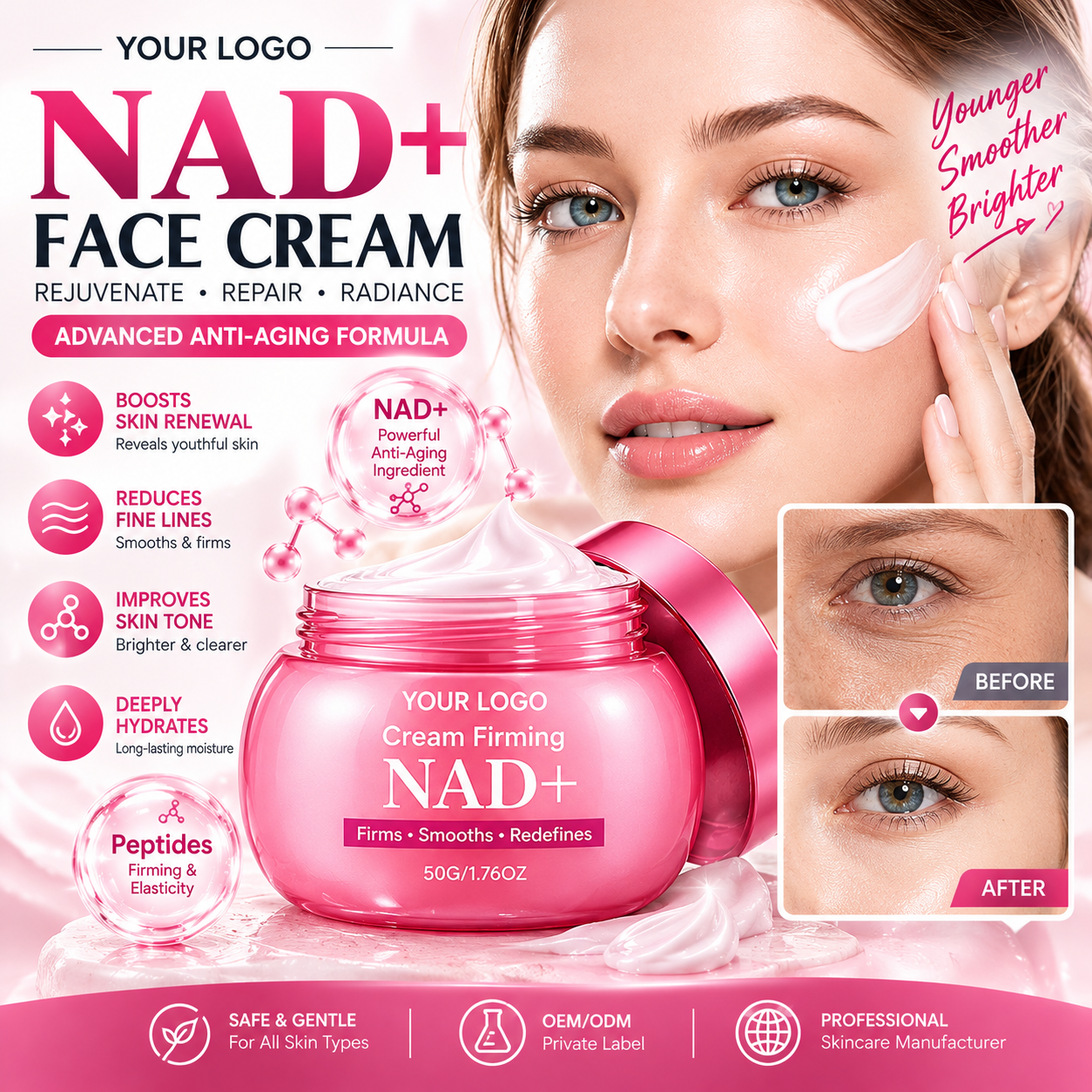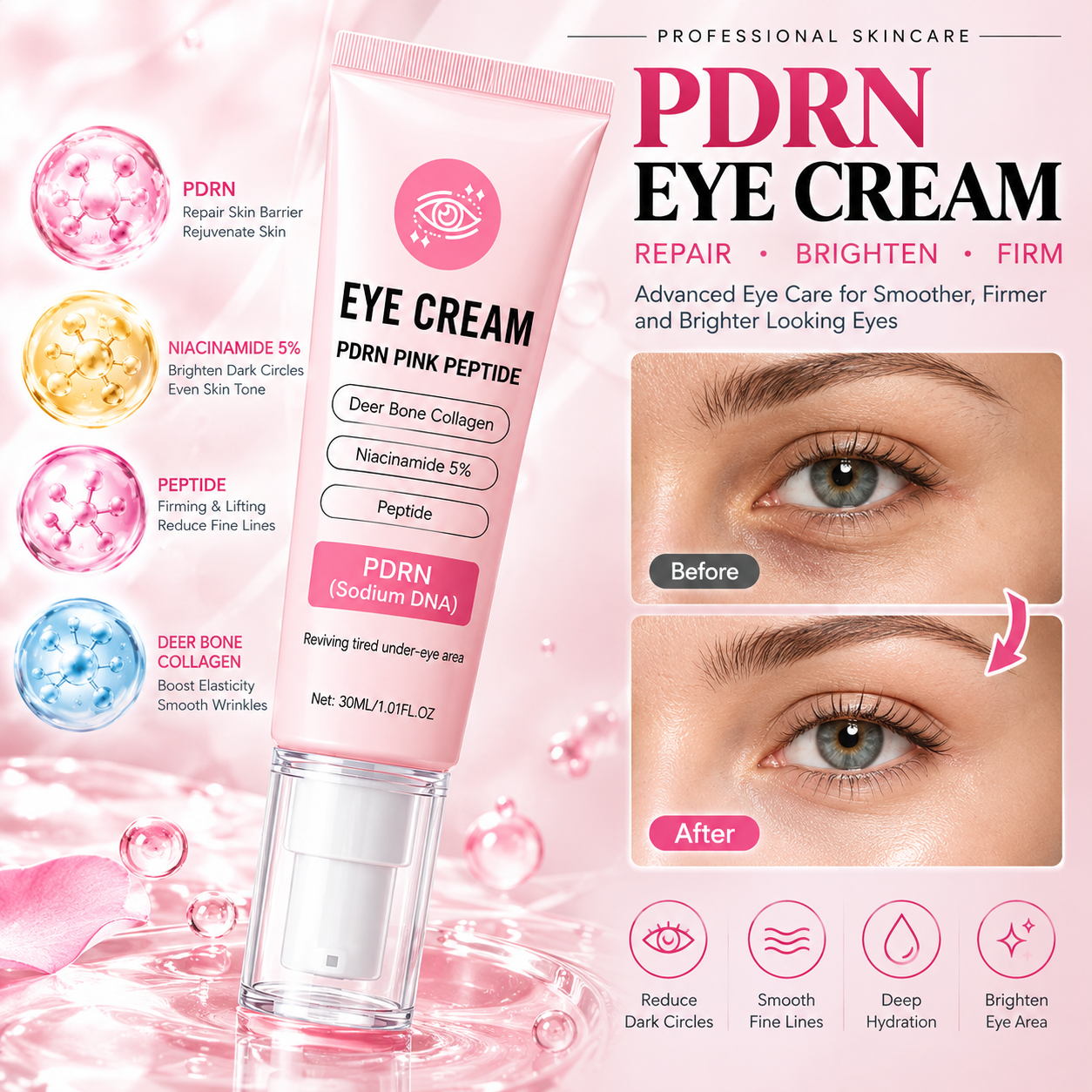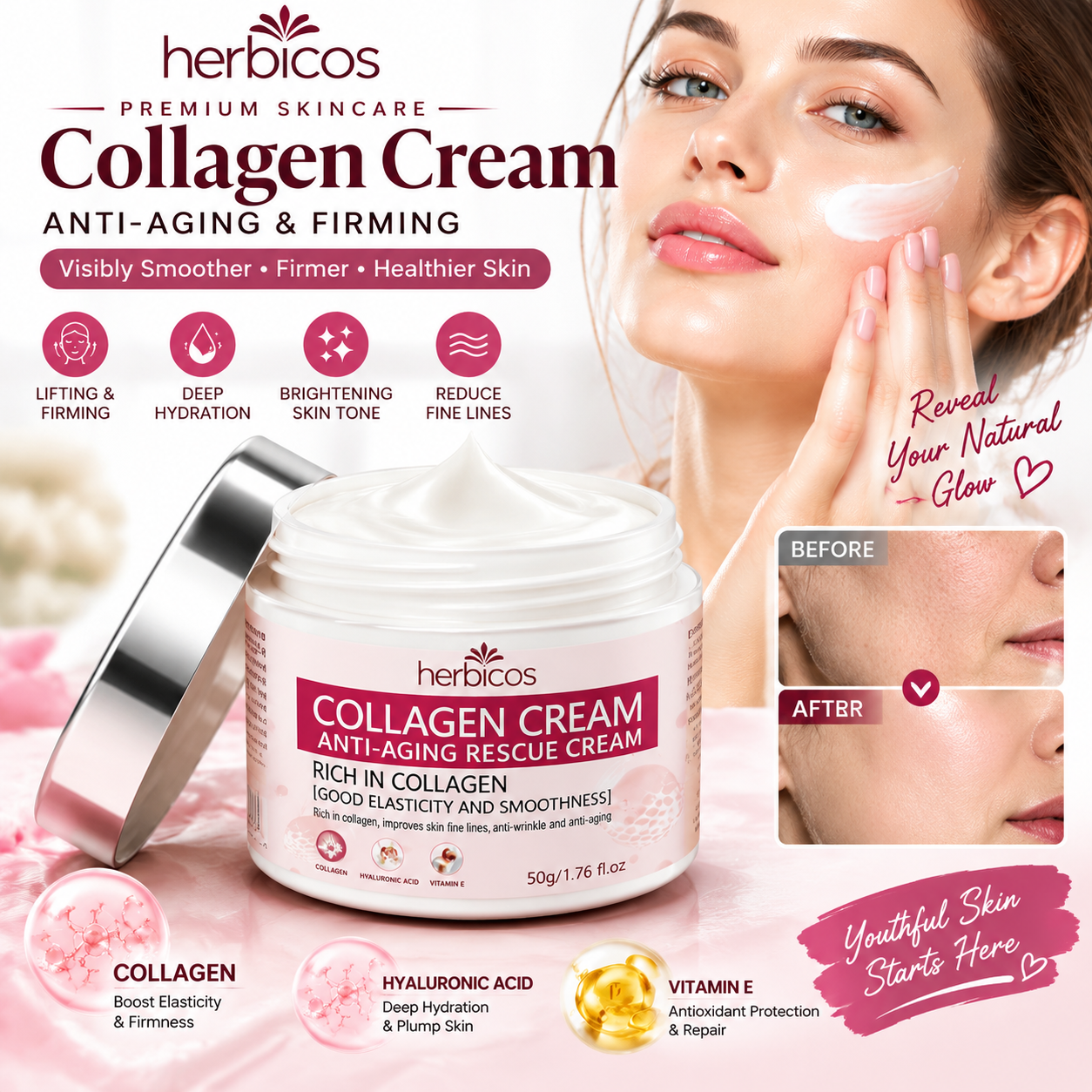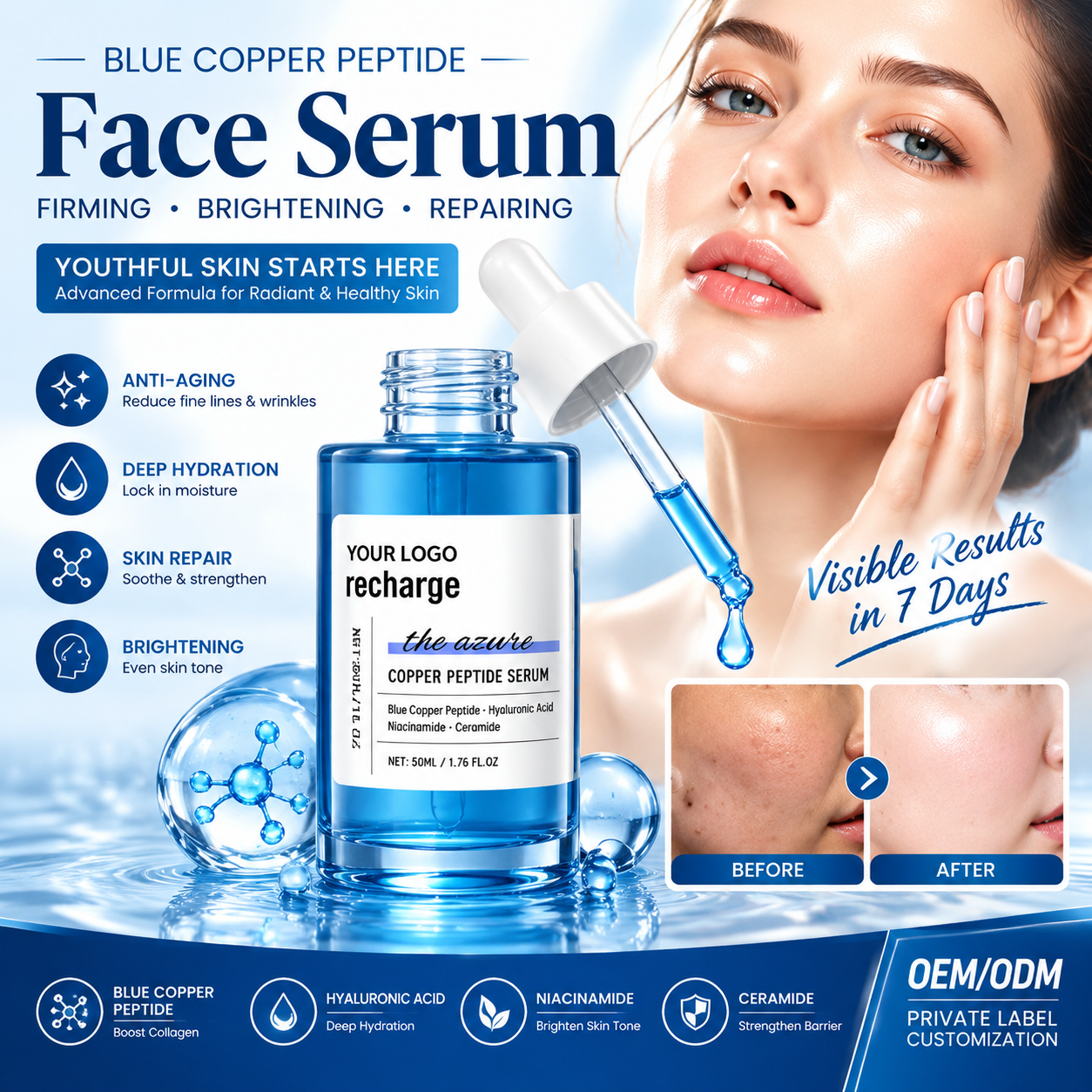
Engineered in compliance with ISO 22716 and US/EU cosmetics regulations. Review our core high-potency serums, freeze-dried ampoules, and post-acne barrier restoration treatments available for private labeling and custom contract manufacturing.
The landscape of anti-acne skincare manufacturing has shifted permanently from aggressive stripped-barrier astringents toward balanced bio-compatible pathways. Today’s international consumers demand rapid comedolytic action without erythema, peeling, or cutaneous barrier destabilization.
Traditional Salicylic Acid at 2.0% w/w often presents crystallization challenges and solvent-induced dehydration. Advanced OEM manufacturing integrates supramolecular encapsulation and cyclodextrin-stabilized delivery mechanisms. This prolongs follicular penetration, directly dissolving sebum plugs within the infundibulum while minimizing transepidermal water loss (TEWL).
Eradicating all cutaneous microflora triggers opportunistic recolonization and persistent acne vulgaris relapses. Cairas formulation engineers utilize selective postbiotics, fermented plant extracts, and Zinc PCA. These act selectively against inflammatory phylotypes (IA1) of Cutibacterium acnes while preserving protective commensal species such as Staphylococcus epidermidis.
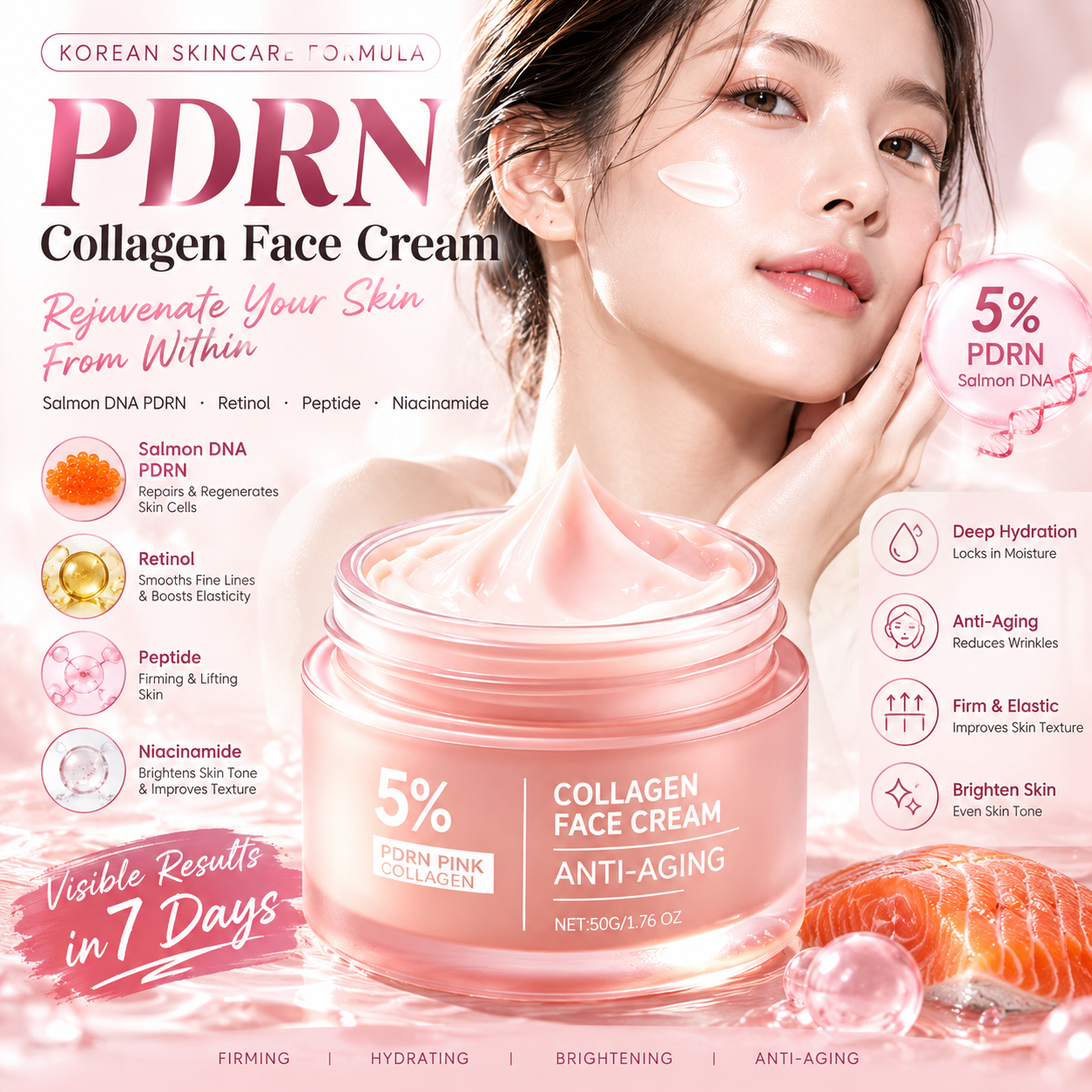
Post-inflammatory hyperpigmentation (PIH) and persistent erythema constitute over 60% of secondary acne complaints. Combining high-purity Niacinamide (3%–5%) with Centella Asiatica titrated triterpenes (Madecassoside, Asiaticoside) and Salmon DNA (PDRN) stops tyrosinase over-activation, blocks melanocyte transfer, and accelerates extracellular matrix re-epithelialization.
| Active Ingredient System | Optimal In-Formula pH | Mechanism of Action | Irritation Potential | Recommended Packaging |
|---|---|---|---|---|
| Encapsulated Salicylic Acid (2.0%) | pH 3.8 – 4.2 | Targeted sebaceous gland desquamation, slow follicular release | Ultra-Low / Sub-clinical | Amber Dropper Bottle / Airless Dispenser |
| Potassium Azeloyl Diglycinate (PAD) | pH 5.5 – 6.5 | Water-soluble azelaic derivative; controls 5-alpha reductase & sebum | Virtually Nil | Clear Glass Dropper / HDPE Dispenser |
| Succinic Acid + Zinc PCA | pH 4.5 – 5.5 | Cellular metabolism inhibition of anaerobic C. acnes bacteria | Low | Multi-layer Opaque Barrier Tube |
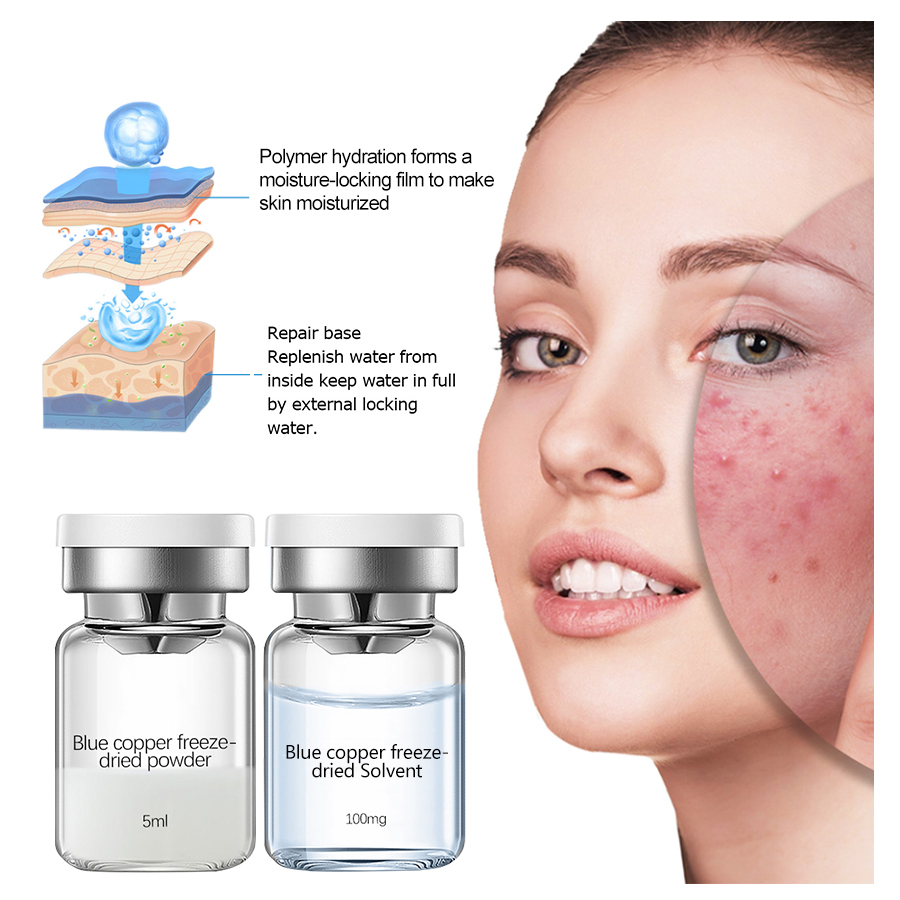
| Copper Tripeptide-1 (GHK-Cu) | pH 6.0 – 7.0 | Tissue remodeling, fibroblast stimulation, scar reduction | Non-irritating | Nitrogen-Flushed Vial / Freeze-Dried Ampoule |
| Centella Asiatica + Niacinamide (5%) | pH 5.8 – 6.5 | NF-kB inflammatory pathway suppression, melanosome blocking | Extremely Mild | Airless Pump with EVOH Liner |
Data-backed shifts impacting brand owners, cosmetic distributors, and supply chain directors. Navigating regulatory compliance, clean-label mandates, and modular production architectures.
Global regulatory hurdles are tightening rapidly. The full enforcement of the US Modernization of Cosmetics Regulation Act (MoCRA) mandates facility registration, product listing, safety substantiation, and adverse event reporting. In Europe, CPNP notification demands strict Cosmetic Product Safety Reports (CPSR Part A & B). Importers are moving away from unverified workshops to facilities like Cairas with pre-documented ISO 22716 certification, Intertek onsite verification, and fully traced raw-material COAs.
Legacy 10,000-unit minimum order quantities are incompatible with agile TikTok and Amazon DTC brand launches. Procurement leaders now favor hybrid production: small trial runs (500 to 1,000 units) in standard packaging to validate conversion, paired with bulk master-batching for economies of scale. Liquid bulk resting and modular semi-automatic filling allow brand owners to react to market trends within 14 working days without holding capital-draining deadstock.
The demand for 'Clean Clinical' positioning requires formulas to be free from parabens, synthetic fragrance, phthalates, and drying alcohols. Sourcing directors are prioritizing bio-fermented salicylic acid precursors (e.g., Willow Bark Extract titrated to natural salicylates) and bio-identical peptides. Furthermore, post-consumer recycled (PCR) resin bottles, mono-material recyclable droppers, and FSC-certified cartons are becoming compulsory across tier-1 export retail shelves.
Established in 2009 in Guangdong, Guangzhou Cairas Beauty Products Co., Ltd. operates a high-precision cosmetic synthesis and aseptic filling campus engineered specifically for global export supply chains.
Our workshops operate under strict Class 100,000 cleanroom standards with positive pressure air-handling, HEPA filtration, and strict microbial monitoring. Every batch is formulated using reverse-osmosis multi-stage deionized purified water (<0.1 uS/cm conductivity), eliminating bio-burden and ensuring 36-month shelf life stability.
Our on-campus laboratory conducts rigorous multi-point validation before bulk release: Brook-field viscometric profiling, digital pH equilibration within ±0.05 units, high-speed centrifuge emulsion stability (4,000 rpm x 30 mins), Abbe refractive index verification, and 5-day incubator microbial bio-burden screening.
Exporting to over 5 major commercial regions (North America, Western Europe, Oceania, Eastern Asia, Southeast Asia). Our international shipping office supports FOB, EXW, CFR, CIF, and full DDP door-to-door clearance, complete with UN3175 / MSDS documentation, commercial invoicing, and customs classification codes.
Clear, direct answers regarding stability validation, regulatory compliance, customized formulation lead times, and batch release protocols.
For pre-formulated, stability-tested stock formulas packed in our verified on-hand bottle inventory, our low-risk trial MOQ starts from 10 to 500 units. For completely custom ODM formulation development—incorporating bespoke active concentrations, custom fragrance profiles, or patented encapsulation systems—MOQs start from 1,000 to 3,000 units depending on the bottle tooling specifications.
Crystallization in acidic aqueous serums is a common formulation failure. Cairas R&D utilizes amphiphilic solubilizers, specifically ethoxydiglycol and natural polyols, combined with supramolecular complexing agents. This keeps the free acid in an isotropic solution across a temperature spectrum of -10°C to +45°C without requiring high concentrations of drying alcohol.
Yes. Every export client receives a complete regulatory dossier consisting of: Certificate of Analysis (COA), 16-section GHS Safety Data Sheet (MSDS), Fragrance IFRA certificates, Allergen statements, and qualitative/quantitative formula disclosures. We coordinate directly with EU-based Responsible Persons (RP) and provide safety dossiers required for US FDA MoCRA portal listings.
Before production sign-off, formulas undergo ISO 11930 Preservative Efficacy Testing (PET / Challenge Test) to verify protection against bacteria, yeast, and mold. Physical stability testing includes 3-month accelerated aging at 45°C (equivalent to 24 months room temperature), freeze-thaw thermal cycling (-5°C to +40°C in 24h cycles), and centrifugal stress tests.
Standard catalog lab samples are dispatched within 48 to 72 business hours. Bespoke formula development typically requires 7 to 10 working days for benchmark matching and sensory refinement. Once the formulation benchmark and digital packaging artwork proofs are formally signed off, mass production and filling are completed within 20 to 25 working days.
Absolutely. For acne-prone skin, we exclude high-comedogenic lipids such as isopropyl myristate, mineral waxes, and heavy coconut derivatives. Instead, our formulation chemists engineer lightweight lamellar liquid-crystal emulsions using hydrogenated lecithin, plant-derived squalane, and jojoba esters that deliver essential lipids without obstructing the infundibulum.