As the international cosmetics sector navigates stringent regulatory standards and escalating consumer expectations for photostable, skin-friendly active compounds, Kojic Acid (5-hydroxy-2-hydroxymethyl-4-pyrone) remains an empirical standard for topical melanin suppression. Manufactured in our GMP, ISO 9001, and ISO 22716 accredited facilities spanning 12,180 m² in Guangzhou, China, our specialized custom contract manufacturing bridges chemical stability challenges with rapid market commercialization.
Core OEM/ODM Active Formulations
Explore our clinically profiled, factory-tested export formulations engineered for global brand lines, clinic distribution, and retail scaling.
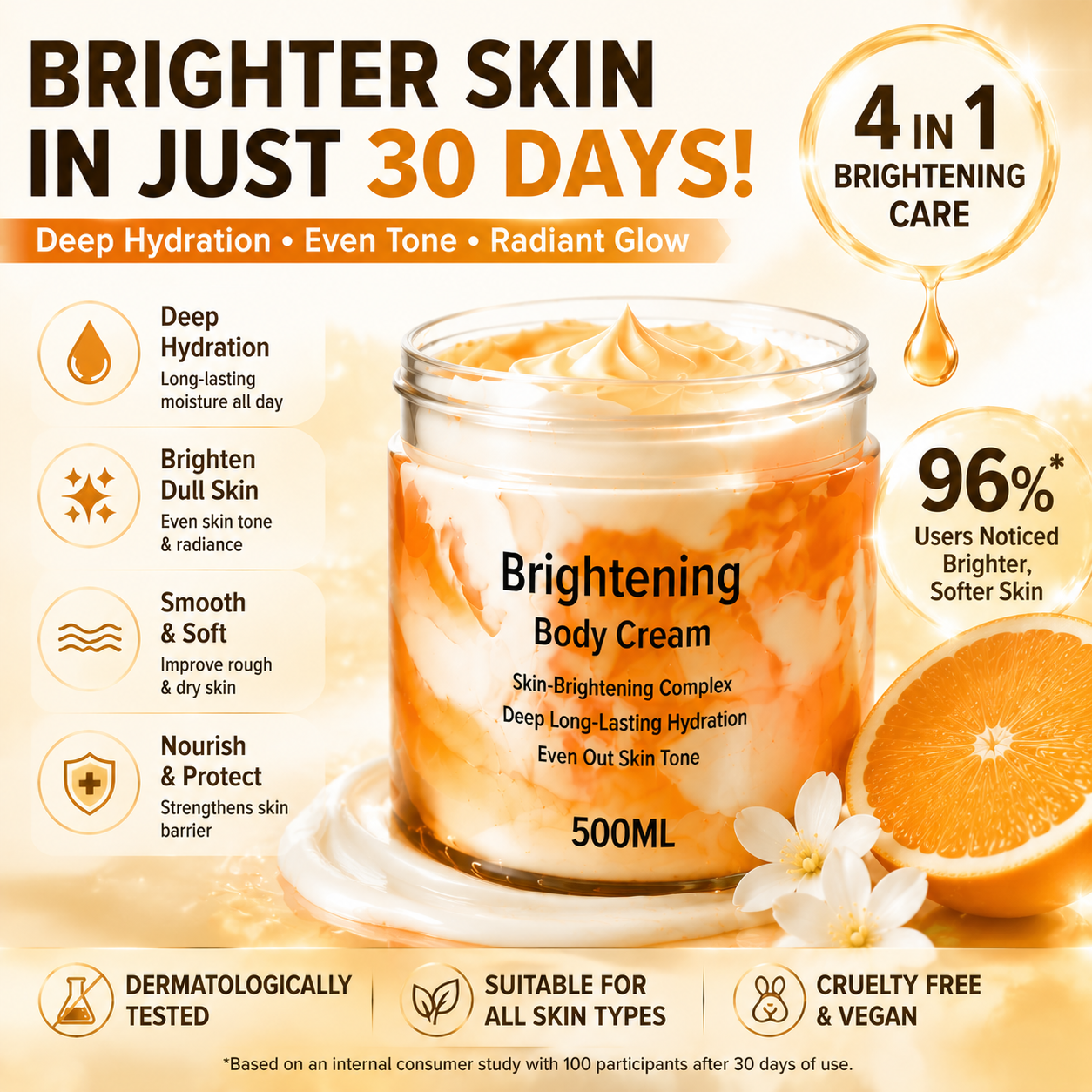
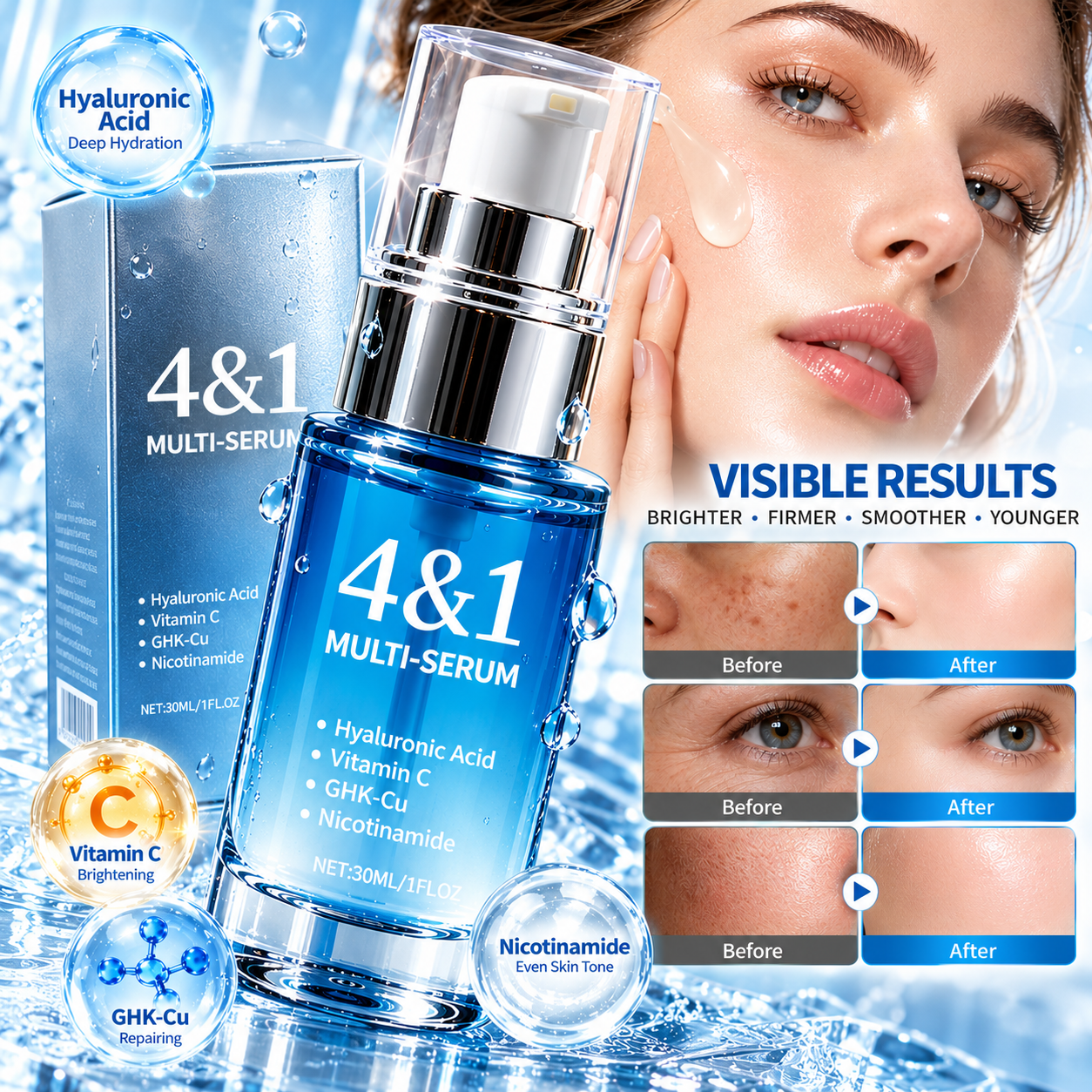
Multifunctional synergistic synergy pairing L-ascorbic acid systems with copper tripeptides and multi-depth hyaluronic acid complexes to amplify radiance while providing firming barrier defense.
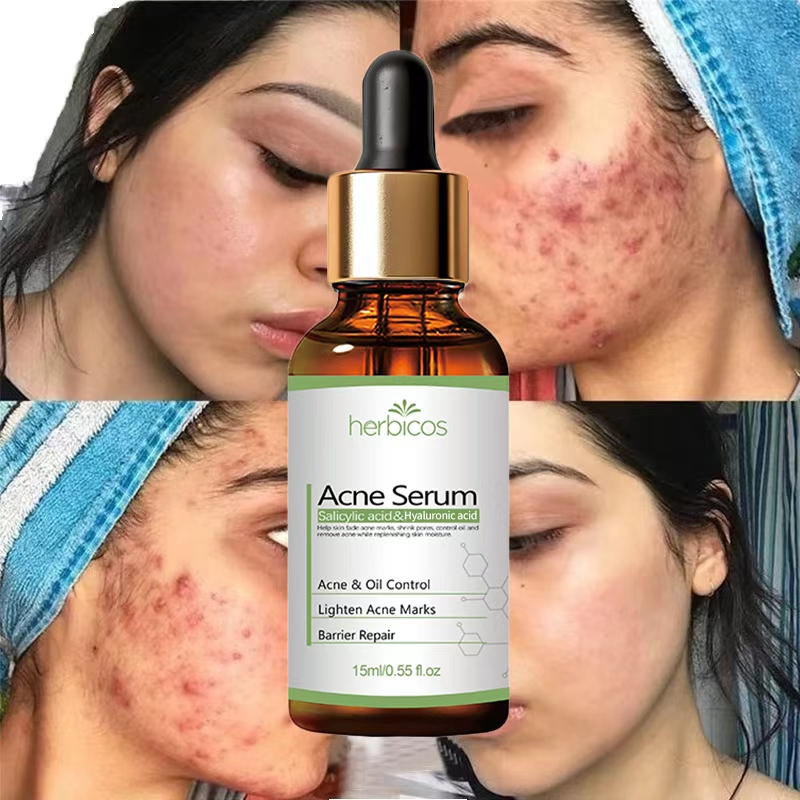
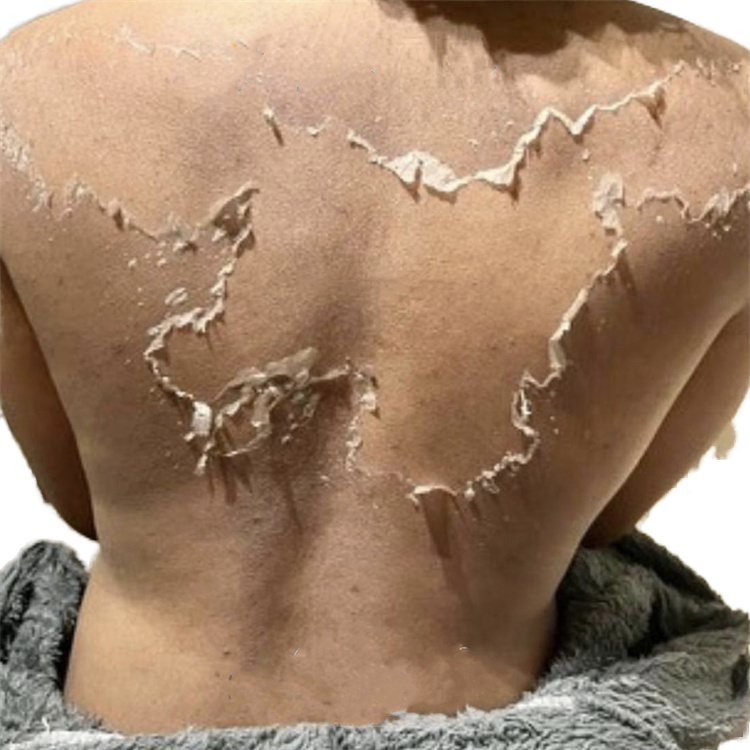
Engineered for resistant hyperpigmentation, acanthosis nigricans, and post-sun discoloration with botanical depigmenting complexes and stabilized lipid-soluble carriers.
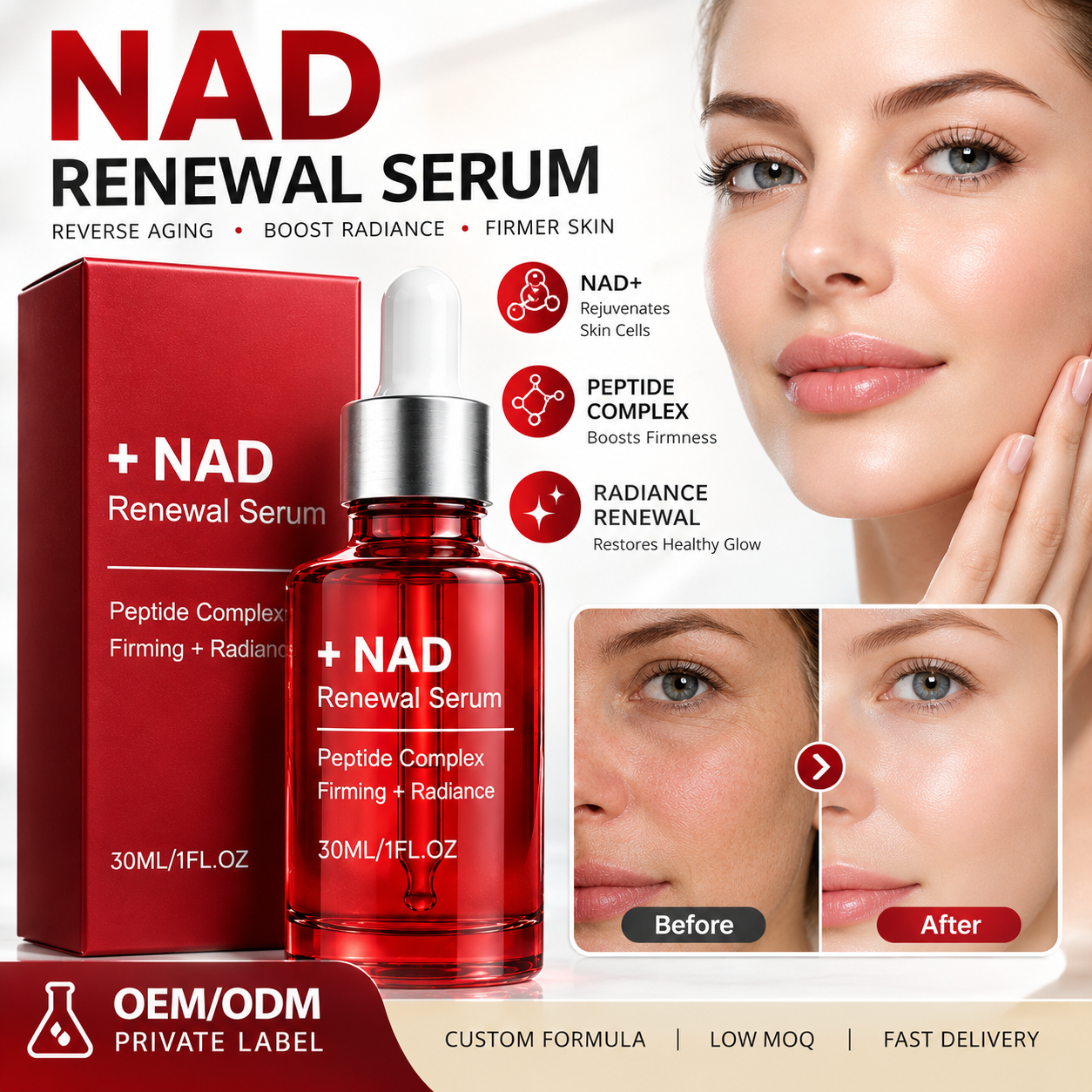
Cellular longevity formulation utilizing nicotinamide adenine dinucleotide (NAD) cofactors to revive exhausted mitochondrial turnover, evening out deep tone irregularities.
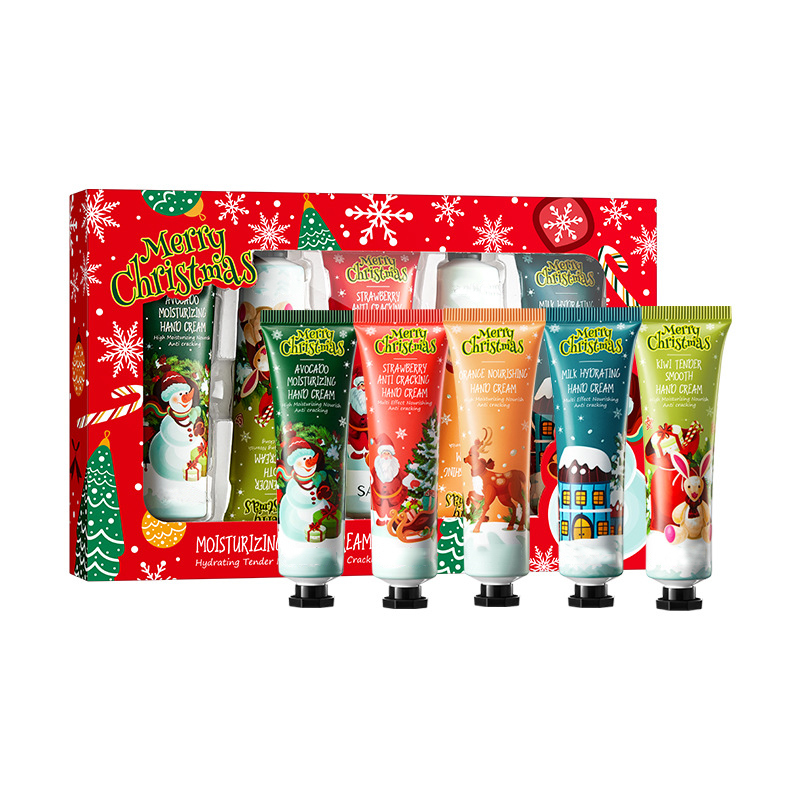
Ultra-absorptive, non-greasy micro-emulsion cream targeting age-spots on the dorsal hand surface, enriched with nourishing ceramides, shea butter, and stabilizing antioxidants.
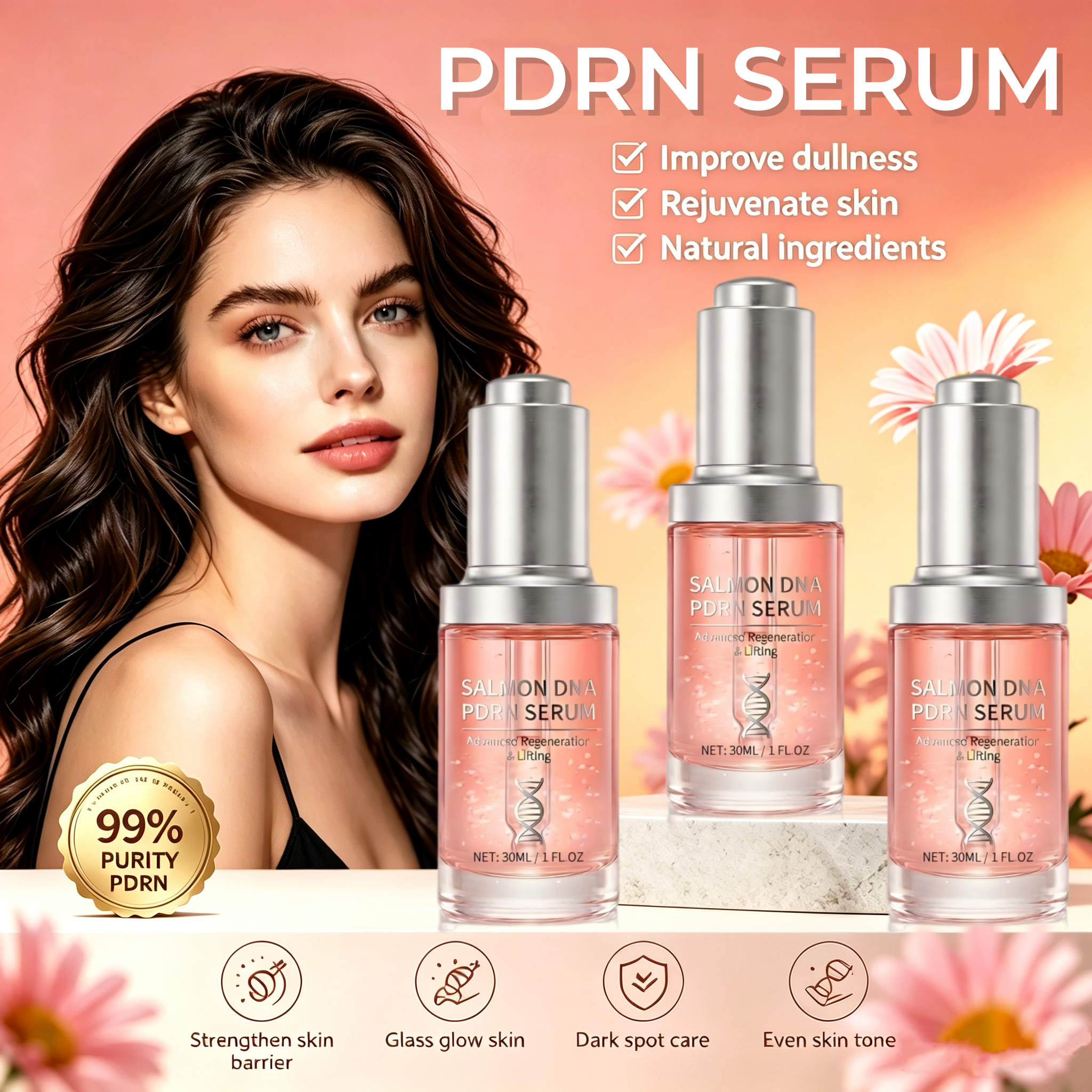
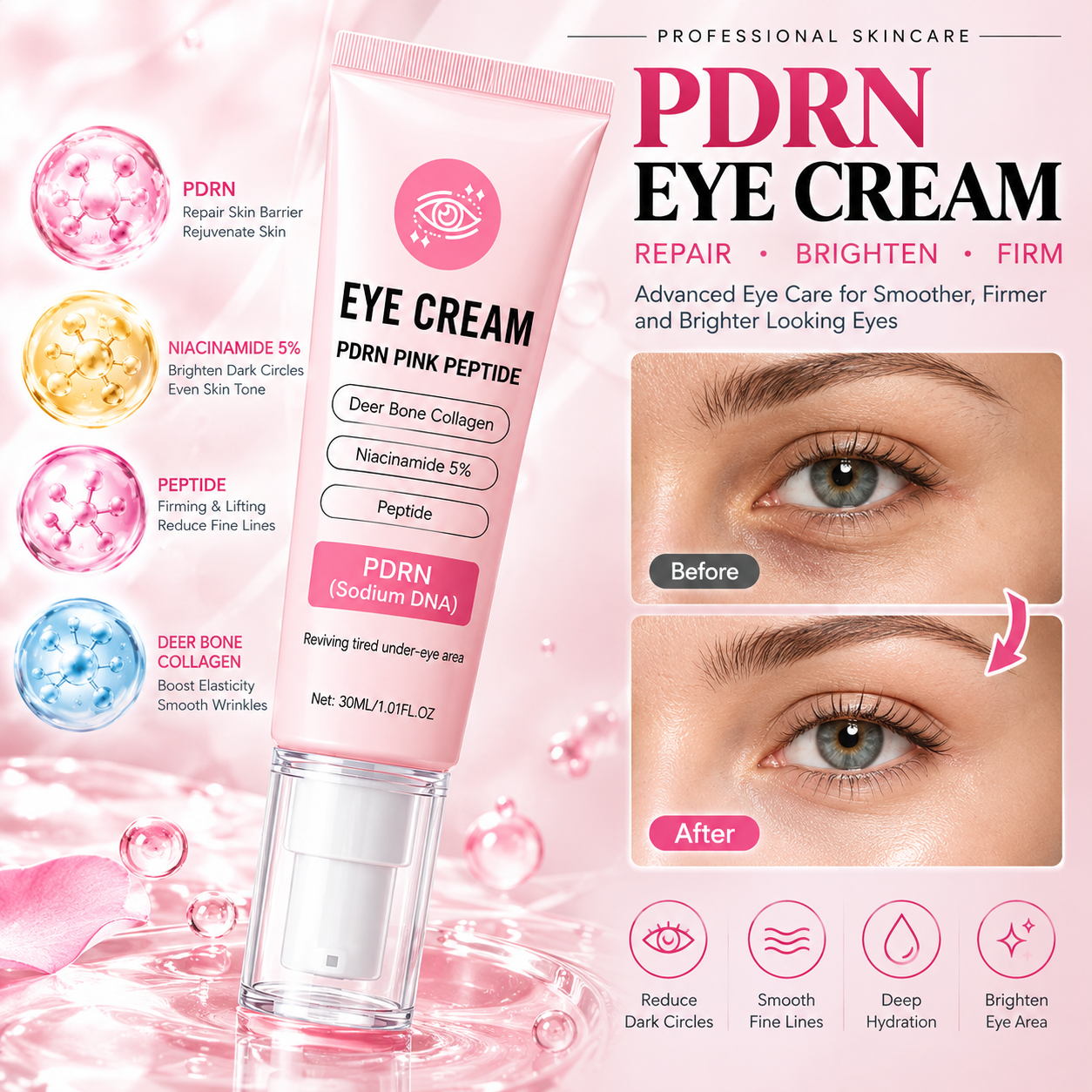
Periorbital complex combining biological PDRN with targeted peptides to decongest vascular dark circles, inhibit localized melanin deposition, and smooth periorbital micro-creases.
17+
Years In Cosmetic R&D (Est. 2009)
12,180 m²
Intertek Assessed Cleanroom Facility
70+
Global Strategic Material Partners
4.5 / 5.0
Verified Global Buyer Rating
Chemical Stabilization Dynamics
Engineering Stability: Overcoming Kojic Oxidation
While raw Kojic Acid is renowned for copper-chelating action at the tyrosinase active site, its commercial viability has historically been constrained by thermo- and photo-sensitivity. Cairas Beauty’s R&D laboratory resolves these formulation pitfalls through proprietary chemical stabilization vectors.
Kojic Acid Dipalmitate (KAD) Esters
By diesterifying the 2- and 7-hydroxyl positions with palmitic acid, we generate lipid-soluble KAD. This compound exhibits zero susceptibility to ferric iron complexation, eliminating yellow-brown discoloration in jar packaging while providing enhanced trans-epidermal penetration.
Nano-Liposomal Microencapsulation
Our vacuum homogenizers encapsulate hydrophilic Kojic Acid within phospholipid bilayers under 45 MPa high-pressure fluidics. This preserves the molecule against light-induced photo-degradation, releasing active concentrations progressively within the basal melanocyte layers.
Redox Synergy & Chelating Networks
Formulated in conjunction with sodium metabisulfite, glutathione, and disodium EDTA, our emulsion matrices intercept reactive oxygen species (ROS). This ensures our formulations maintain their crystal-white hue across 36-month accelerated real-time stability assessments.
Comparative Specification
Technical Specification: Kojic Derivative Options
A reference framework designed to assist procurement heads, product directors, and regulatory compliance auditors in selecting the ideal derivative for their brand positioning.
Evaluation Parameter
Pure Crystalline Kojic Acid
Kojic Acid Dipalmitate (KAD)
Liposomal Encapsulated Kojic Acid
INCI Nomenclature
Kojic Acid
Kojic Dipalmitate
Phospholipids (and) Kojic Acid
Solubility Profile
Water Soluble (>40g/L at 20°C)
Oil/Lipid Soluble (Mineral/Ester Oils)
Aqueous Dispersion / Emulsion Ready
Photostability Index
Low; requires opaque airless packaging
Very High; photochemically inert
Superior; protected from light & air
Standard Usage Level
0.5% – 1.0% (EU/ASEAN Limits)
1.0% – 5.0% (Non-irritating)
2.0% – 6.0% (Sustained delivery)
Color Drift Tendency
High (Transitions beige to brown)
Negligible; stays pure white
Minimal throughout recommended shelf life
EU CPNP / FDA Viability
Requires strict safety dossier (<1%)
Readily compliant across global tiers
Excellent safety & sensitization records
Market Foresight & Intelligence
Emerging Industry Trends: 2025–2030 Horizon
Strategic insights for brand founders preparing next-generation depigmentation lines that meet changing regulatory frameworks and international consumer preferences.
The "Multi-Pathway" Melanin Complex
Monotherapy skin brighteners are being replaced by multi-pathway formulas. Modern buyers demand synergistic formulations that address hyperpigmentation from multiple biological angles: Kojic Acid (tyrosinase inhibition), Niacinamide (melanosome transfer interruption), and Alpha Hydroxy Acids (accelerated stratum corneum desquamation).
Regional Regulatory Evolution
With the European Scientific Committee on Consumer Safety (SCCS) finalizing opinion limits of 1% on pure Kojic Acid for facial application, global brands are re-engineering formulas. Sourcing networks are shifting toward stabilized derivatives like KAD and botanical adjuncts (such as Alpha-Arbutin and Licorice Glabridin) to maintain brightening efficacy without exceeding regulatory thresholds.
Barrier-First Depigmentation
Brightening products that risk barrier irritation are losing consumer favor. The fastest-growing formulas combine depigmentation actives with barrier-replenishing ingredients: skin-identical ceramides, centella asiatica (Cica), and polydeoxyribonucleotide (PDRN), helping reduce inflammation-induced rebound pigmentation.
Manufacturing Infrastructure
Guangzhou Cairas Beauty: Your Certified OEM Partner
Since 2009, our facility has delivered certified cosmetics production for brands, distributors, and spa franchises across North America, Western Europe, Oceania, and Southeast Asia.
Intertek Onsite Verification
Our 12,180 m² facility is certified under ISO 22716 Cosmetics GMP, ISO 9001 quality systems, and verified onsite by Intertek. We maintain comprehensive documentation, including batch records, microbial testing logs, and analytical Certificates of Analysis (COA) for international customs clearance.
Precision Processing Machinery
Our cleanrooms are equipped with vacuum emulsifiers to prevent air entrapment, high-speed automated filling lines for ampoules, bottles, and jars, automated laser batch coders, and freeze-drying equipment for sensitive active formulations.
Flexible Low-MOQ Entry
We accommodate diverse business stages with flexible minimums: starting from 3–10 pieces on selected in-stock formulations for proof-of-concept testing, up to full-scale custom production runs of 500 to 1,000 units per SKU with custom primary containers, screen printing, and secondary folding boxes.
Procurement Questions
Frequently Asked Purchasing Questions
Direct, technical answers addressing the operational, chemical, and logistical inquiries of international cosmetic purchasing managers.
What is the typical Minimum Order Quantity (MOQ) for custom Kojic Acid Cream OEM/ODM?
+
Our MOQ structure is designed to support brand development at multiple stages:
Ready-to-Brand Stock Formulas: Available from 3 to 10 units for preliminary market testing and validation.
Semi-Custom Formulations: Utilizing existing base emulsions with client-selected hero fragrances, actives, or packaging finishes starts at 500 units.
Complete Custom R&D (Bespoke OEM): Custom emulsification viscosity, tailor-made active complexes, and private injection tooling start at 1,000 units per SKU.
How does your factory prevent Kojic Acid formulas from turning brown over time?
+
We employ three stabilization methods: (1) using Kojic Acid Dipalmitate (KAD), a lipid-soluble derivative immune to oxidation-induced browning; (2) incorporating micro-encapsulation to isolate pure Kojic Acid from air exposure; and (3) adding a multi-antioxidant network (sodium metabisulfite, glutathione, and disodium EDTA) combined with opaque or airless packaging systems.
What international regulatory documents are provided with export shipments?
+
Every production batch includes an analytical Certificate of Analysis (COA) confirming pH, heavy metal limits, and microbial compliance, alongside an OSHA/GHS-compliant Material Safety Data Sheet (MSDS). For brands distributing in Europe, we assist with Cosmetic Product Notification Portal (CPNP) files and Product Information Files (PIF).
Can we adjust the concentration of Kojic Acid to comply with specific target market regulations?
+
Yes. Our R&D team adjusts active ingredient concentrations to meet target market limits—such as adhering to the EU SCCS 1.0% threshold for pure Kojic Acid, or using non-restricted derivatives like KAD at 2.0% to 5.0% for North American and domestic Asian markets.
What are your standard manufacturing lead times and international delivery terms?
+
Pre-production sample formulation typically takes 3 to 7 working days. Once formula and packaging artwork are approved, bulk production and automated filling run on a 15 to 25 business-day schedule. We support global trade terms including FOB, EXW, CFR, CIF, and door-to-door DDP arrangements via sea, air, or express courier.
Launch Your Certified Skincare Line with Cairas Beauty
Connect directly with our Guangzhou formulation engineers and international account managers. Request our formulation index, order trial evaluation samples, and receive a competitive quotation within 24 hours.
 Advanced Active