High-Performance Private Label Formulas
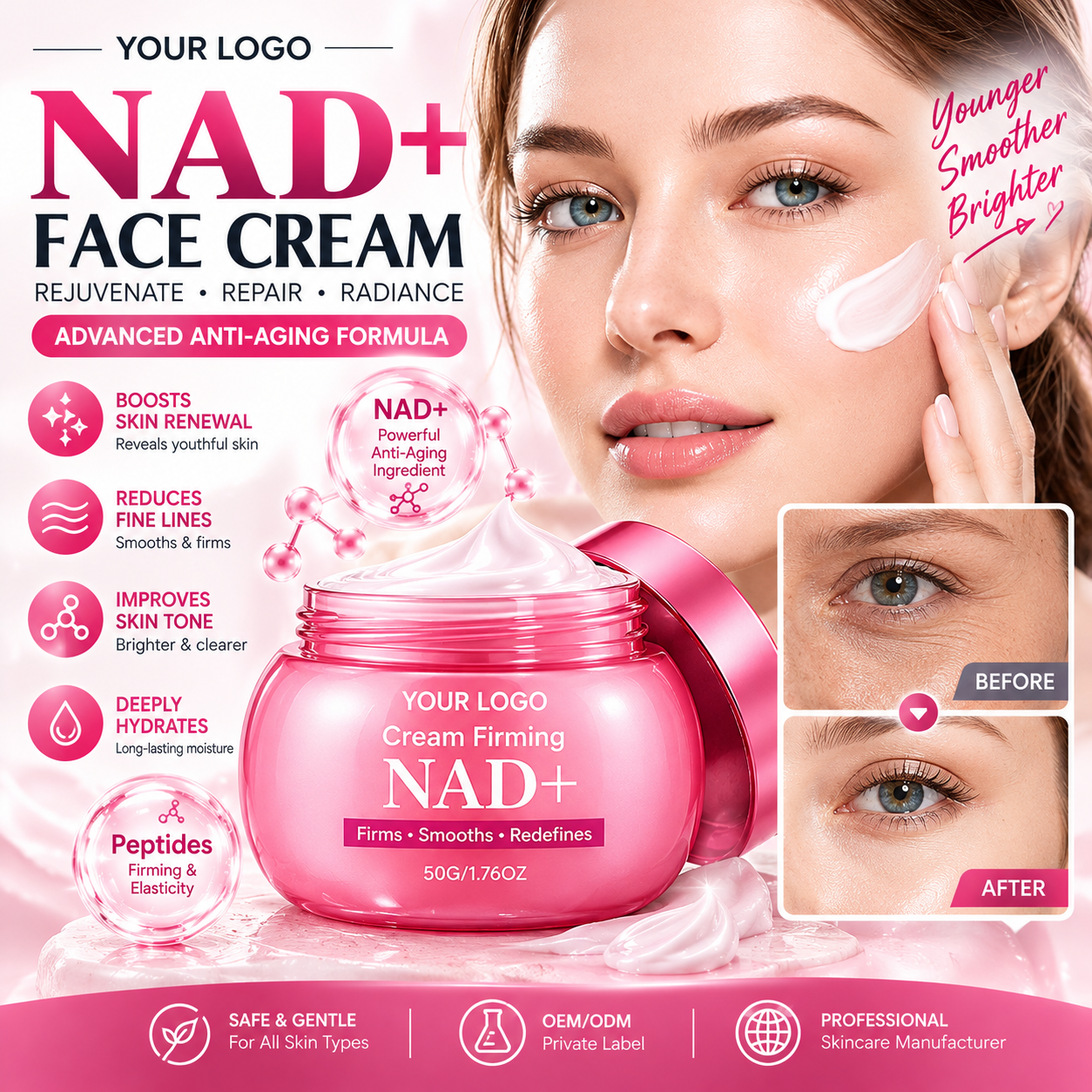
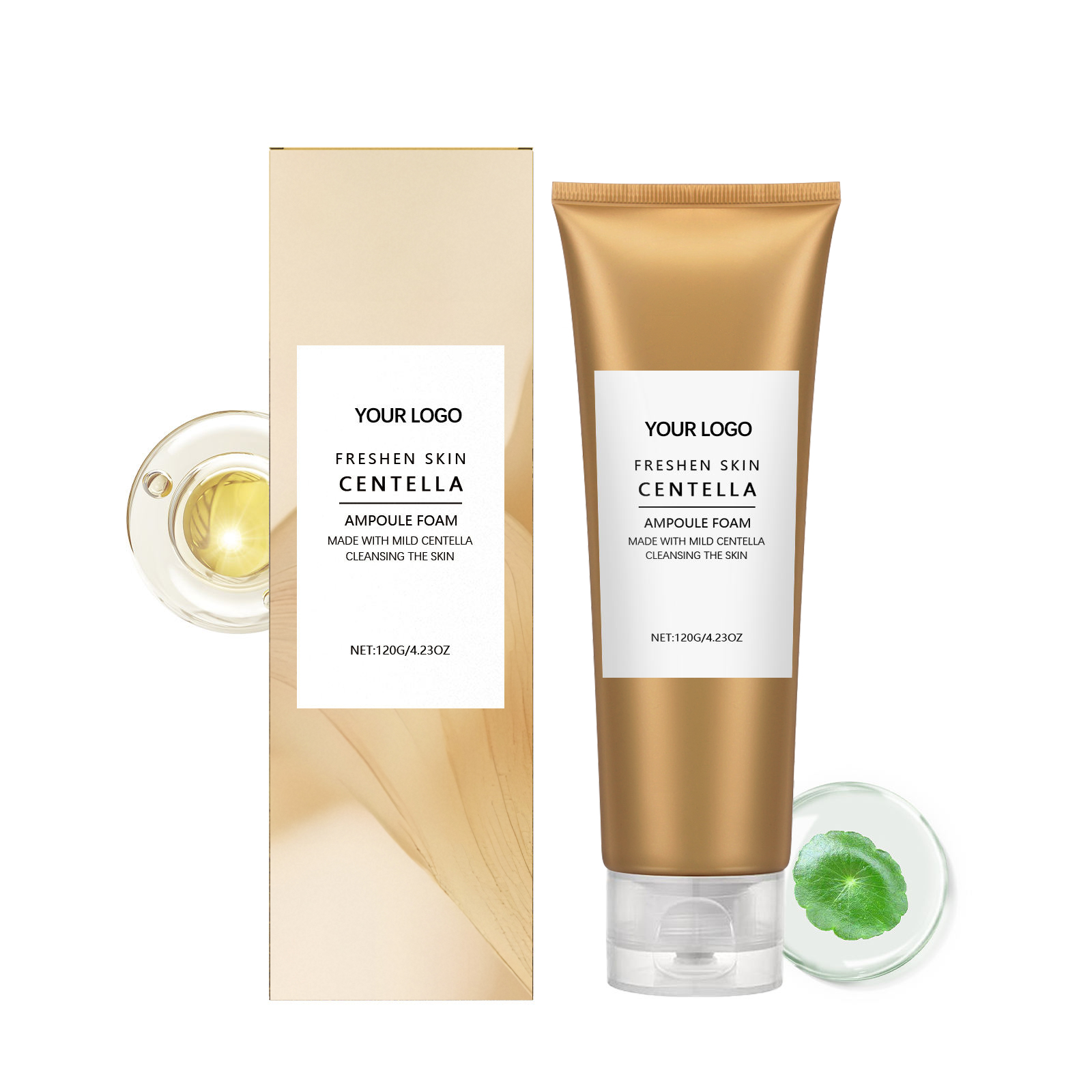
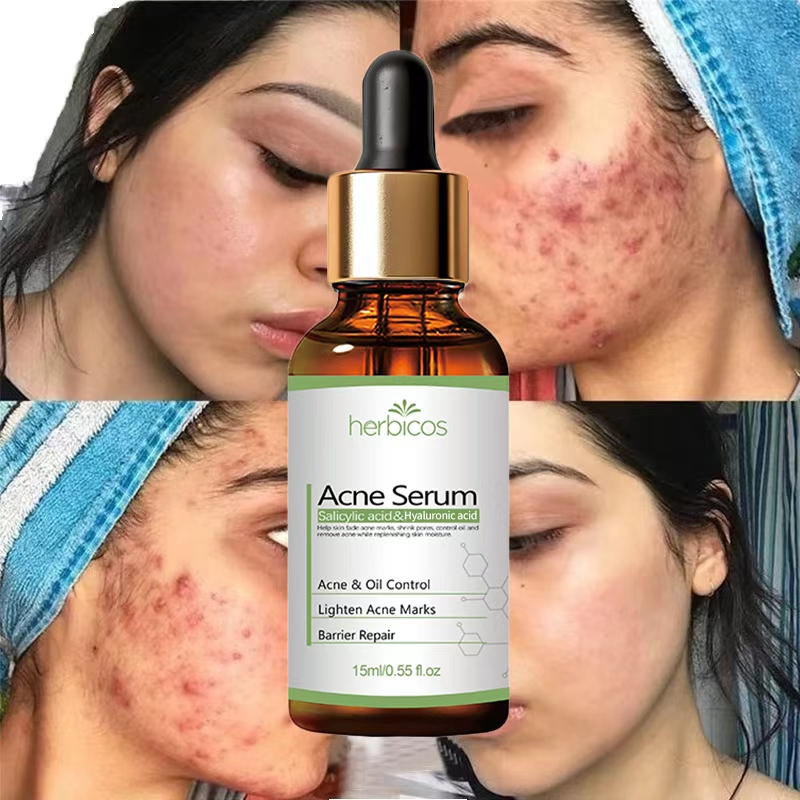
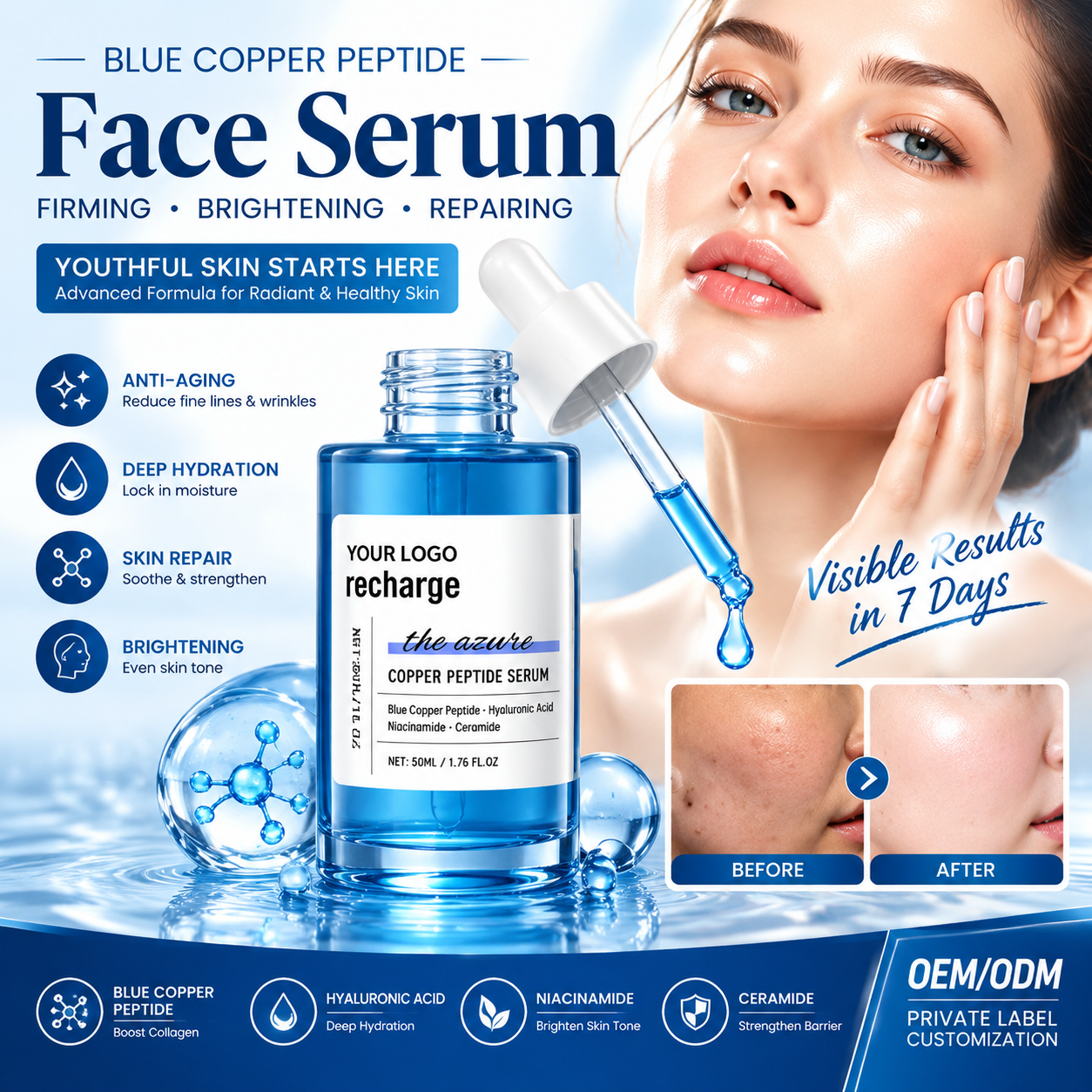
Pre-stabilized, clinically validated active formulations available for rapid contract manufacturing, turnkey customization, and international private label brand integration.
The Global Vitamin C Serum Sourcing Ecosystem & China Manufacturing Landscape
A rigorous examination of biochemical stabilization, cleanroom vacuum emulsification, and technical manufacturing protocols governing top-tier cosmetic plants in South China.
Vitamin C (L-Ascorbic Acid and its molecular variants) remains the undisputed gold standard in global cosmeceutical formulations for photodamage reversal, collagen biosignaling, and melanin suppression. However, for brand executives, procurement directors, and cosmetic distributors, evaluating China Top Vitamin C Serum Factories & Factory capabilities goes far beyond catalog pricing. The commercial reality of Vitamin C production hinges upon overcoming active oxidation: an uncontrolled electron transfer that transforms clear, bioactive ascorbic acid into yellow dehydroascorbic acid (DHAA) and subsequently into brown, biologically inactive diketogulonic acid.
Top-tier Chinese OEM/ODM manufacturing infrastructure has evolved from labor-intensive packaging houses into high-technology, research-driven biochemical facilities. Clustered predominantly in the Guangdong cosmetics corridor, leading factories such as Guangzhou Cairas Beauty Products Co., Ltd. (operating since 2009 with a 12,180 m² production base) execute precision manufacturing under strictly monitored ISO 22716 and Good Manufacturing Practice (GMP) standards. Sourcing directly from high-capacity Chinese facilities allows multinational beauty labels to bridge the gap between high-potency dermaceutical claims and commercial shelf-life stability exceeding 24 to 36 months.
In accordance with Google’s Search Quality Rater Guidelines and the E-E-A-T (Experience, Expertise, Authoritativeness, and Trustworthiness) criteria, B2B procurement decisions must be guided by verified technical metrics. Sourcing managers must evaluate four core competencies when vetting an OEM partner:
- Biochemical Stabilization Mastery: Capacity to formulate across pH-dependent free-acid profiles (pH 2.8–3.5) and neutral ether derivatives without precipitating or turning rancid.
- Aseptic De-oxygenated Processing: Integration of automated de-ionized reverse osmosis water purification, nitrogen blanketing during vacuum emulsification, and positive-pressure laminar flow cleanrooms.
- Packaging Interaction Compatibility: Validated chemical resistance testing preventing leaching, oxidation, or active degradation via amber borosilicate glass, UV-opaque coatings, and metal-free airless dispensing pumps.
- Global Document Auditing: Immediate availability of certified Certificates of Analysis (COA), cosmetic Safety Data Sheets (MSDS), Intertek audit verification, CE compliance, and EU Cosmetic Product Notification Portal (CPNP) regulatory files.
Vitamin C Derivative Selection: The Stability vs. Bio-Conversion Matrix
A technical reference guide for B2B formulators choosing between pure L-Ascorbic Acid and stabilized modern lipophilic/hydrophilic esters.
| Active Ingredient | Chemical Classification | Optimal pH Range | Oxidation Vulnerability | Cellular Transdermal Rate | Best B2B Target Market |
|---|---|---|---|---|---|
| L-Ascorbic Acid (L-AA) | Hydrophilic Free Acid (Pure Vitamin C) | pH 2.8 – 3.2 | Extreme (Heat, Light, Dissolved Oxygen) | High (Requires low pH to penetrate stratum corneum) | Clinical dermatology, instant-action salon drops, freeze-dried ampoules |
| 3-O-Ethyl Ascorbic Acid (EAC) | Etherified Amphiphilic Derivative | pH 4.0 – 6.5 | Extremely Low (High temperature & light resistance) | Exceptional (Metabolizes directly into Free Vitamin C) | Mass e-commerce, global export, everyday brightening serums, clear bottles |
| Ascorbyl Tetraisopalmitate (THD) | Lipophilic Ester (Oil-Soluble) | pH 5.0 – 7.0 | Minimal (Resistant to thermal & photic degradation) | Superior (Transits lipid bilayer effortlessly) | Luxury anti-aging oils, rich barrier creams, sensitive-skin restorative balms |
| Magnesium Ascorbyl Phosphate (MAP) | Water-Soluble Salt Complex | pH 6.5 – 7.5 | Moderate (Stable in aqueous solution, sensitive to light) | Moderate (Requires enzymatic hydrolysis in dermis) | Post-treatment soothing lotions, acne-safe brightening emulsions |
| Sodium Ascorbyl Phosphate (SAP) | Neutral Hydrophilic Salt | pH 6.5 – 7.0 | Low (Highly stable against ambient oxygen) | Moderate (Converts in vivo via cellular phosphatases) | Anti-blemish formulations, 2% salicylic acid combination therapies |
Ferulic + Tocopherol Synergy
By pairing 15% L-Ascorbic Acid with 1% Alpha-Tocopherol and 0.5% Ferulic Acid, our Guangzhou R&D laboratory stabilizes the redox electron cascade, multiplying photoprotective and radical-scavenging potency eight-fold while extending stability.
Nitrogen-Flushed De-aeration
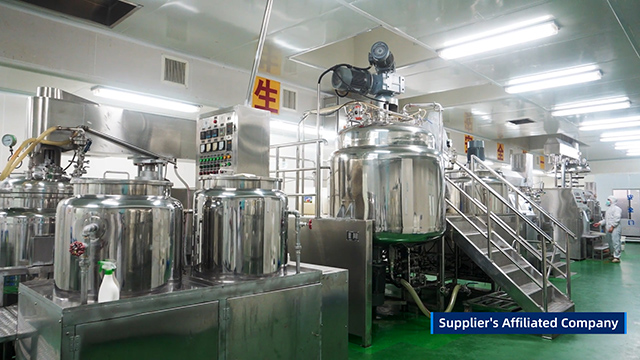
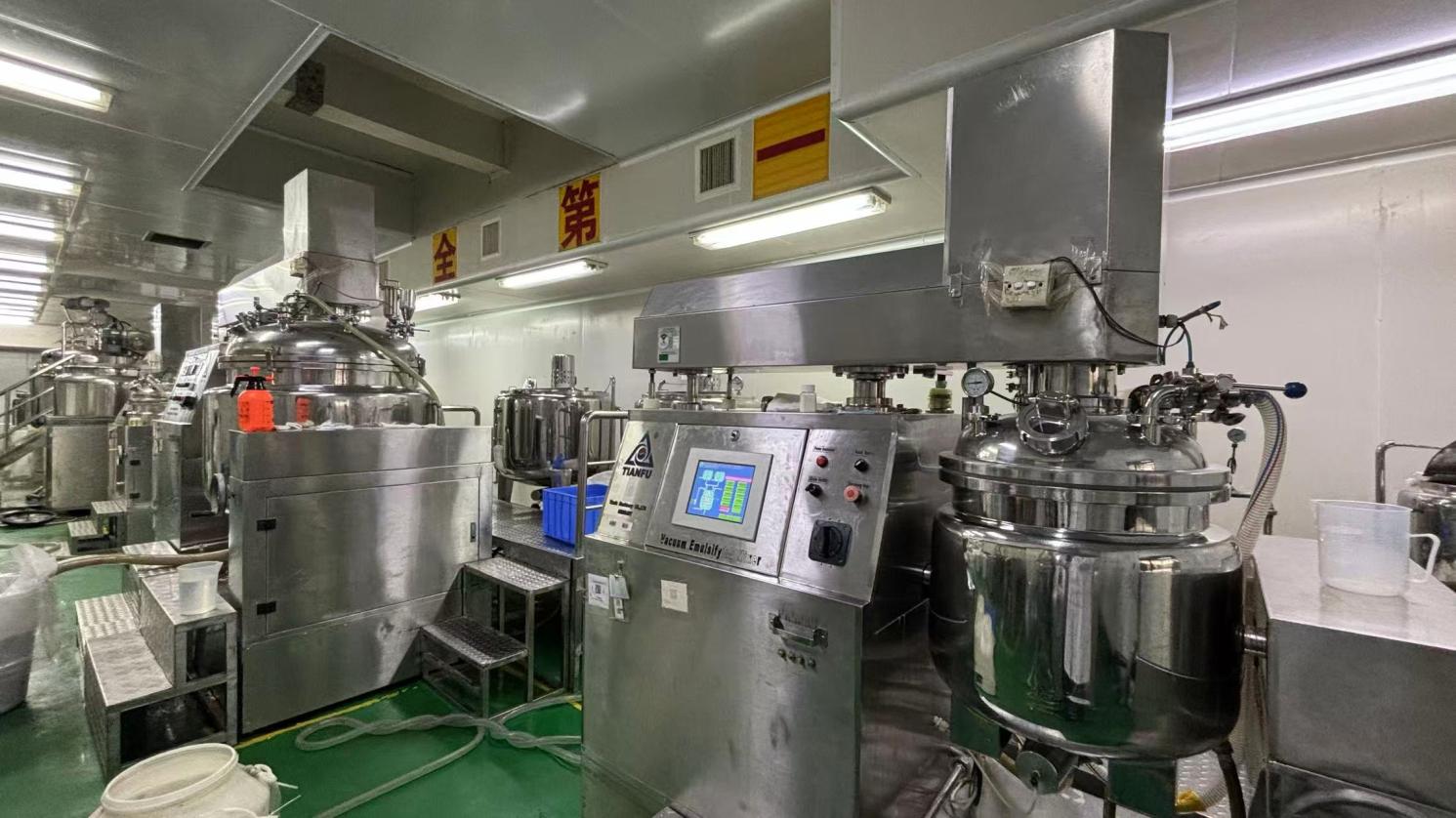
Our ISO 22716 cleanrooms deploy vacuum emulsification mixers equipped with sterile nitrogen gas injection. Dissolved oxygen levels in the aqueous phase are driven below 0.5 ppm before active dosing, preventing batch-level degradation before bottle sealing.
Liposomal Microencapsulation
For high-concentration ascorbic acid lines targeting sensitive and damaged epidermis, we formulate phospholipid bilayer nanocarriers that isolate fragile actives from surrounding water molecules until cutaneous friction triggers targeted intracellular release.
Guangzhou Cairas Beauty: State-of-the-Art Cleanroom Manufacturing
Combining seventeen years of organic chemical engineering, certified European compliance, and comprehensive private-label OEM/ODM agility.
Engineered for Brand Owners Seeking Flawless Repeat Orders
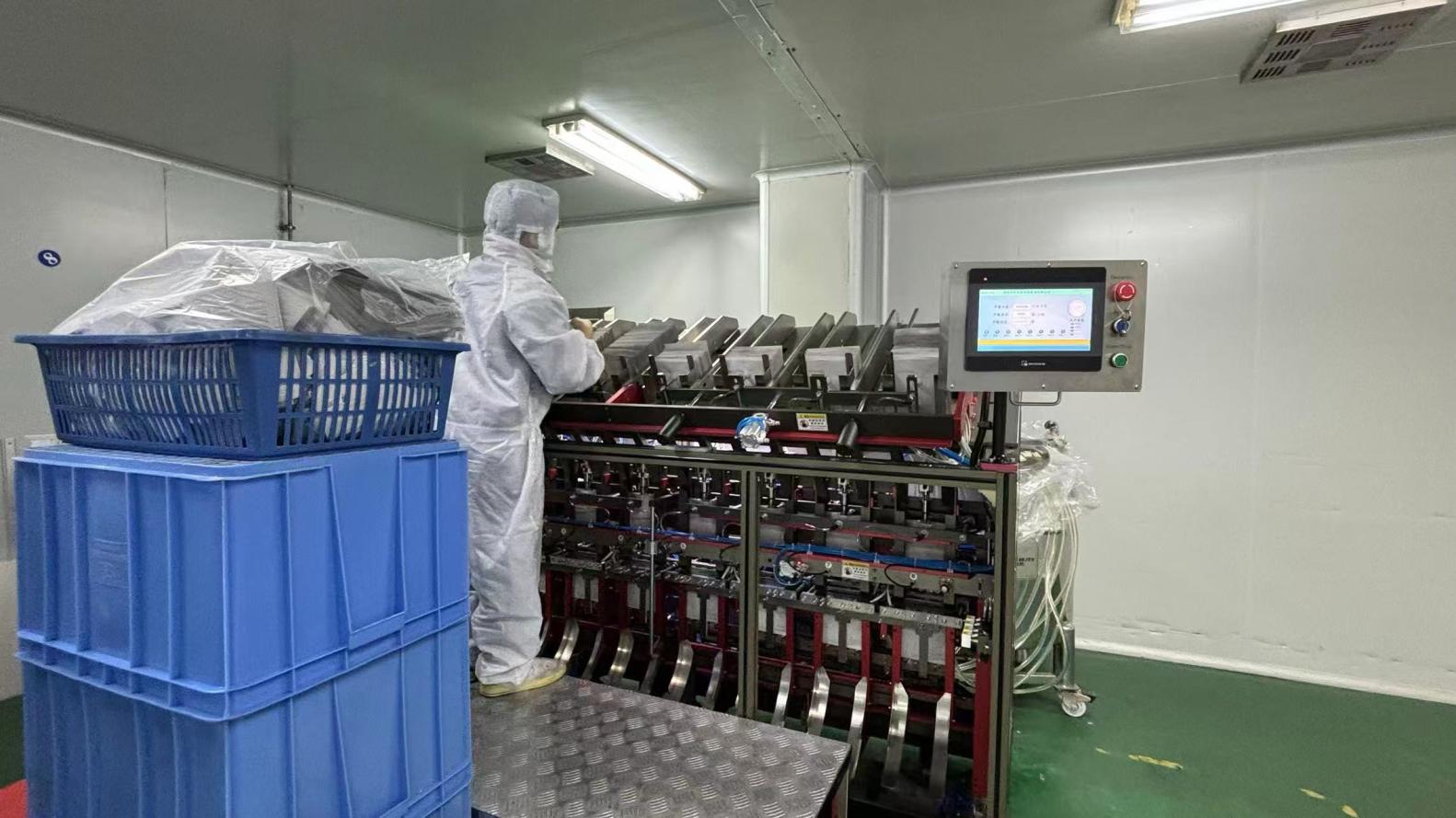
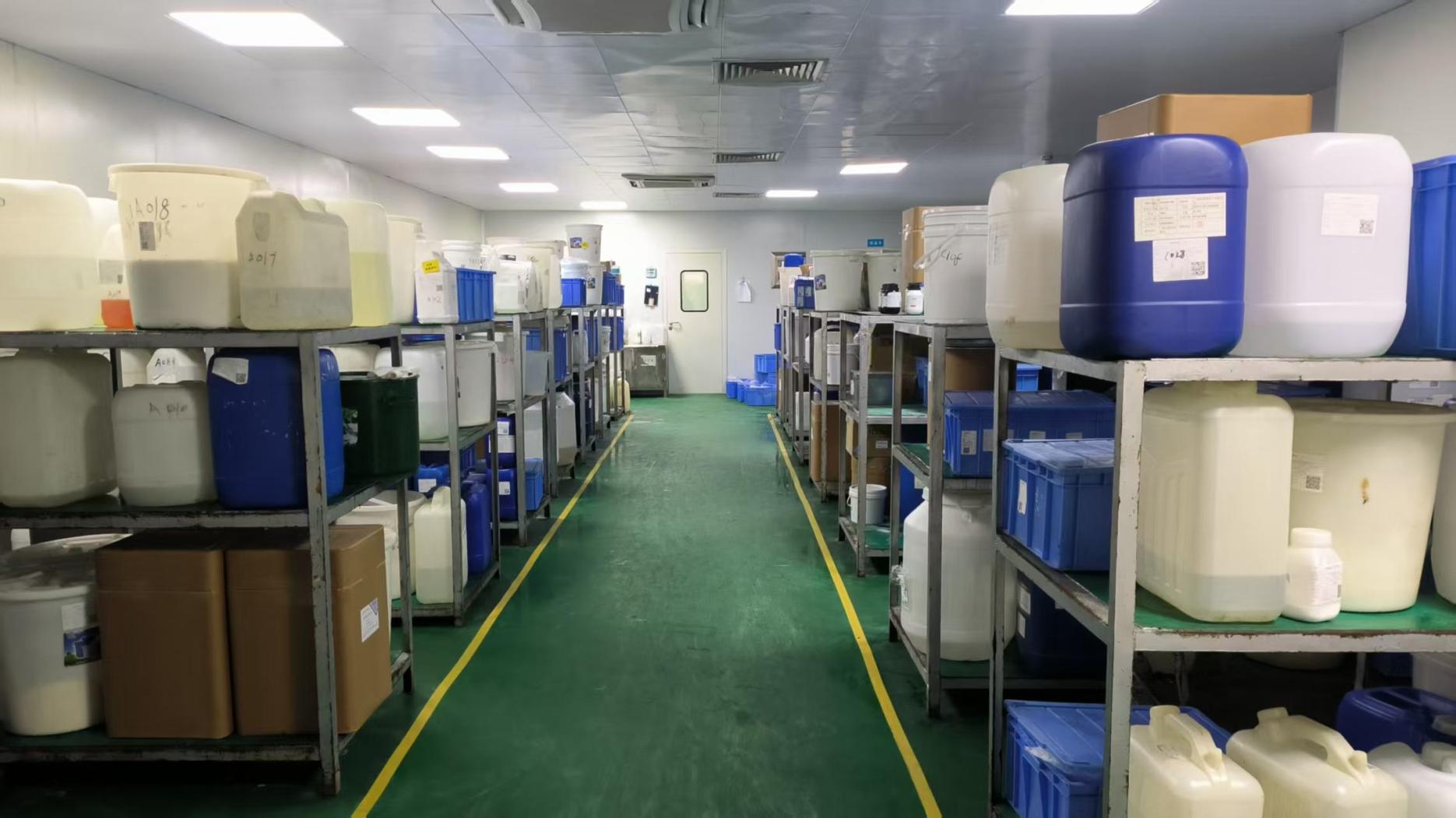
Founded in 2009 in Guangdong, China, Guangzhou Cairas Beauty Products Co., Ltd. has established an international reputation as a leading contract cosmetics manufacturer. Spanning 12,180 m² of dedicated manufacturing workshops and certified cleanrooms, our facility has undergone rigorous onsite qualification by third-party global inspector Intertek.
Rather than relying on outsourced compounding, every step of the manufacturing lifecycle is executed within our climate-controlled compound suites. From pure de-ionized water treatment to high-shear vacuum homogenization, automated vial filling, batch coding, and carton shrink-wrapping, our facility guarantees zero batch-to-batch variation.
- Multi-Tiered International Quality Regimes: Full adherence to ISO 9001, ISO 22716, and cosmetic GMP workshop regulations.
- Comprehensive EU/US Documentation: Turnkey CE certificates, full CPNP dossier preparation, safety dossiers, and analytical COA records.
- Low-Risk Scalability: Ready-to-brand formulas starting from small pilot batches up to full-scale container-load freight runs.
- Integrated Packaging Supply Chain: In-house testing for amber dropper pipettes, airless pump cylinders, and frosted UV-blocking glass.
Emerging Vitamin C Serum Sourcing Trends: 2025–2030 Projections
Strategic market analysis on formulation architecture, sustainable green chemistry, and evolving import regulatory frameworks in North America and Western Europe.
Anhydrous (Waterless) Suspensions
Water accelerates ascorbic oxidation. Emerging procurement tenders are shifting towards anhydrous systems based on propanediol, squalane, or silicone suspensions that preserve active integrity indefinitely without requiring artificial preservatives.
Bi-Phase Dual-Chamber Delivery
Consumer skepticism surrounding browned serums has driven the adoption of dual-chamber and fresh-activation packaging. Pure lyophilized freeze-dried Vitamin C powder sits in a hermetic reservoir, instantly dissolving into an activating essence upon first pump.
Regulatory Cleanliness & MoCRA Compliance
Western buyers are demanding stringent heavy-metal assays, zero 1,4-dioxane traces, micro-plastic elimination, and automated compliance under the US FDA Modernization of Cosmetics Regulation Act (MoCRA) alongside EU Cosmetic Regulation (EC) No 1223/2009.
Bio-Fermented & Synergistic Cocktails
Monolithic single-ingredient drops are losing market share to multi-targeted skin-longevity cocktails. Premium brands demand Vitamin C compounded with plant-derived Centella Asiatica, Blue Copper Peptides (GHK-Cu), Salmon DNA (PDRN), and Niacinamide complexes.
Standardized QC Testing Protocols: From Raw Assay to Batch Release
Inside Guangzhou Cairas Beauty’s analytical laboratory: How physical, chemical, and microbiological thresholds are verified before customs clearance.
Rotational Digital Viscometer
Quantifying shear rates and kinematic viscosity profiles ensures that Vitamin C drops flow smoothly through pipette tips without drippage, while maintaining rich sensorial slip on the consumer's skin without tacky stickiness.
Benchtop Precision pH Meter
For active free L-Ascorbic Acid systems, maintaining a strict pH band between 2.8 and 3.2 is crucial. Every bulk batch undergoes three-point standardized electrode calibration to safeguard both transdermal absorption and dermal tolerance.
High-Speed Centrifugal Stability Tester
Accelerated gravitational stress tests (spinning at 4,000 RPM for 30 minutes at elevated temperatures) verify that oil-in-water nanoemulsions and lipophilic Vitamin C suspensions exhibit zero phase separation or crystal deposition.
Abbe Optical Refractometer
Used to verify the purity, solid content concentration, and refractive index of incoming active derivatives (such as 3-O-Ethyl Ascorbic Acid) to prevent adulterated raw materials from entering cleanroom compounding tanks.
Constant Temperature Incubator
Accelerated aging incubators test bulk samples at 45°C, 4°C, and under intense fluorescent/UV photic stress over 12 continuous weeks, simulating 24 months of ambient international distribution and consumer shelf storage.
Microbiological Bio-Burden Assay
Before batch sign-off, aerobic plate counts, yeast, mold, and challenge testing for Pseudomonas aeruginosa, Staphylococcus aureus, and Candida albicans are executed, ensuring total sterile compliance.
Frequently Asked Questions: Sourcing from China Vitamin C Serum Factories
Clear, unvarnished guidance on minimum orders, stabilization assurances, export certifications, and factory collaboration models.
What are the realistic Minimum Order Quantities (MOQ) for custom Vitamin C Serums? +
At Guangzhou Cairas Beauty, MOQs are structured to accommodate both emerging brand pilots and high-volume retail lines. Ready-to-brand stock formulas using existing packaging inventory start from as low as 10 to 500 units for rapid e-commerce split-testing. For fully custom chemical formulations (bespoke active percentages, customized sensorial viscosity, exclusive fragrance systems) paired with custom-molded glass, electroplated dropper bulbs, or customized silk-screen printed folding cartons, the baseline MOQ starts between 1,000 and 3,000 units per SKU.
How does your factory prevent Vitamin C oxidation during overseas ocean transit? +
Oxidation control involves a four-layer chemical and physical protection protocol: (1) Formulation stabilizing buffers incorporating ferulic acid, sodium hyaluronate, and sodium metabisulfite; (2) Vacuum homogenization paired with sterile nitrogen purge cycles to eliminate dissolved air; (3) Airtight container selection using UV-absorbent amber glass bottles, internally lacquered opaque tubes, or multi-layer PP/PETG airless pump bottles; and (4) Climate-controlled export palletization wrapped in moisture-barrier thermal foils to prevent temperature spikes during ocean container shipping.
Which regulatory documentation and safety testing do you provide for US and EU customs clearance? +
Every exported production run is accompanied by complete regulatory documentation. This includes dynamic Certificate of Analysis (COA) per batch, GHS-compliant Safety Data Sheets (MSDS) audited for international transport, Heavy Metal and Microbiological Challenge test reports, and raw material INCI origin declarations. For brands distributing into the European Union, we supply complete Toxicological Risk Assessment dossiers and assist with CPNP (Cosmetic Product Notification Portal) submissions. For US brands, our manufacturing facility supports FDA facility registration and MoCRA product listing requirements.
Can we supply our own packaging materials, or do you handle turnkey sourcing? +
We provide full supply chain flexibility. Clients may operate on a pure OEM toll-manufacturing basis, sending their imported custom components (vials, caps, labels) directly to our Guangzhou cleanroom warehouse for filling and secondary packaging. Alternatively, 90% of our international clients utilize our turnkey ODM services. Through our verified network of over 70 top packaging suppliers across Guangdong, we procure, UV-coat, silk-screen, and quality-inspect primary containers, significantly reducing landed unit freight costs and eliminating lead-time coordination errors.
What is the standard production timeline from sample sign-off to container dispatch? +
Laboratory prototype sampling typically requires 3 to 7 business days. Upon physical bench sample sign-off and artwork confirmation, mass compounding, vacuum emulsification, microbiological hold-time clearance, aseptic filling, and carton assembly typically require 20 to 30 calendar days for standard runs. Repeat orders utilizing standardized warehouse component inventories can be expedited to 10 to 15 business days. Flexible incoterms including EXW, FOB Guangzhou/Shenzhen, CIF, and full door-to-door DDP (Delivered Duty Paid via air or ocean) are supported.
Launch Your High-Stability Vitamin C Line with a Verified Factory
Whether you require market-ready 3-O-Ethyl Ascorbic Acid formulations, bespoke clinical L-AA concentrations, or high-potency synergistic peptide drops, our Guangzhou R&D team delivers full turnkey formulation, cleanroom batching, and verified international compliance.