Engineering Superior Body Exfoliation: Sourcing, Rheology, and Formulation Science
As consumer dermocosmetics mature, modern retail and DTC brands are steering sharply away from crude abrasive cleansers toward highly calibrated exfoliating complexes. The global demand for physical and enzymatic scrubs is increasingly governed by dermatological tolerability, grain morphology, biodegradability, and multi-functional barrier protection. Sourcing from a top Chinese contract manufacturer requires deep scrutiny of process technology, particle suspension dynamics, and stringent regulatory documentation.
1. Physical Abrasive Morphology vs. Chemical Peeling Agents
The standard body scrub architecture relies heavily on either crystalline sugars (sucrose), mineral salts (Dead Sea or Himalayan rock salts), or upcycled seed powders (coffee, walnut, apricot). However, the critical differentiator in premier contract manufacturing is particle edge smoothing. Unmilled salts or poorly fractionated nutshell powders possess jagged geometries that inflict micro-tears on the stratum corneum, inducing trans-epidermal water loss (TEWL) and localized erythema.
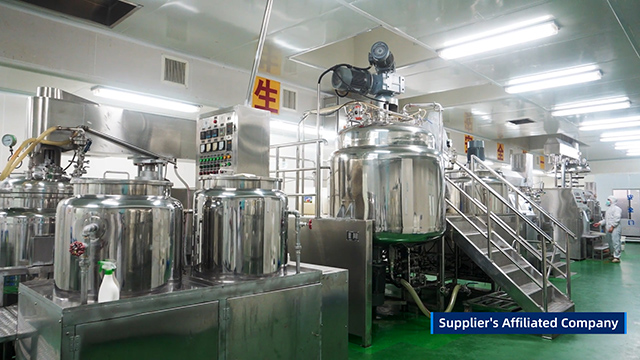
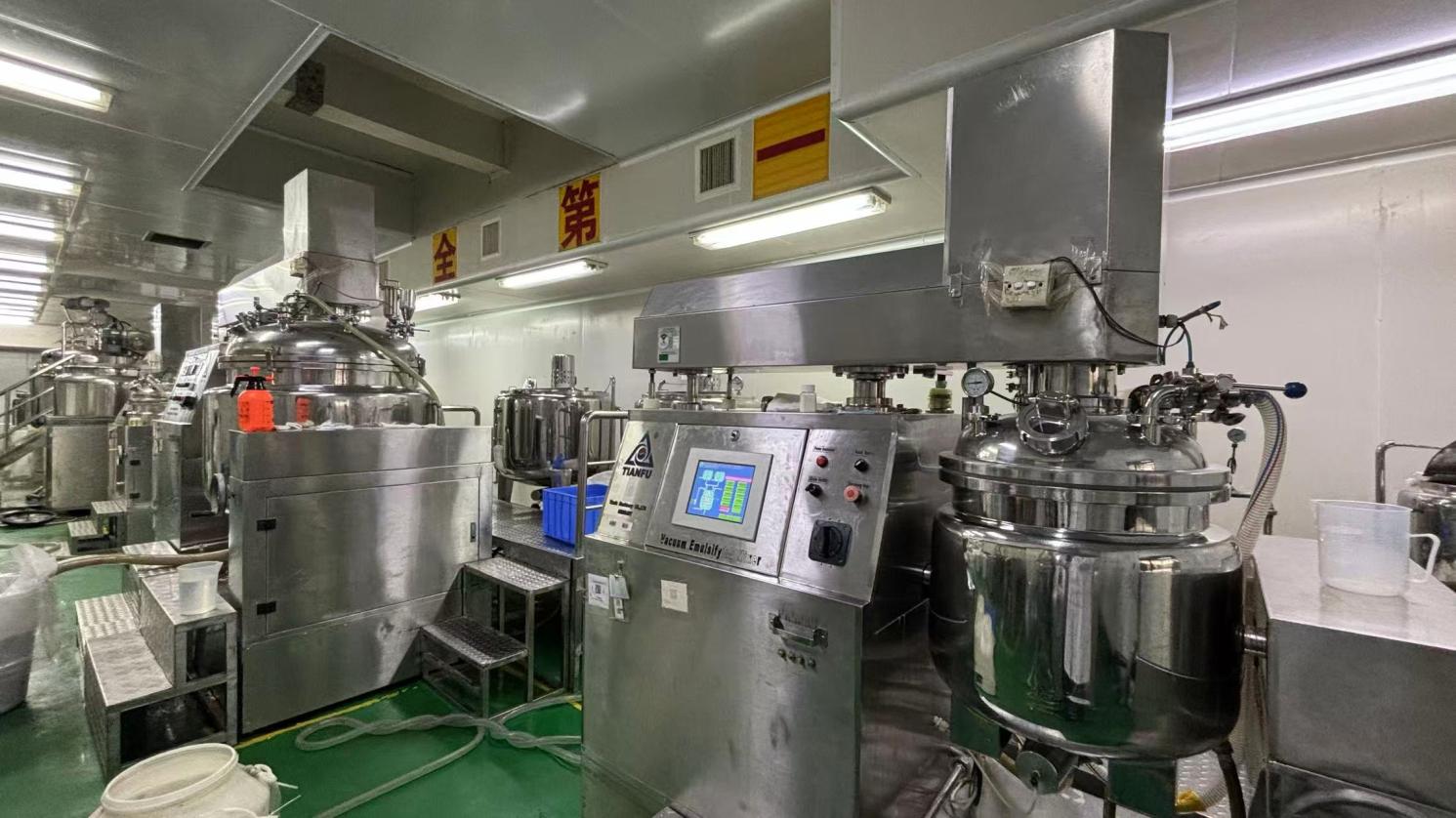
Our GMP-certified laboratory adopts specialized centrifugal wet-milling and vacuum grading to yield spherical or semi-spherical sucrose granules. Furthermore, modern luxury lines demand hybrid synergies: embedding lipophilic Beta-Hydroxy Acids (Salicylic Acid at 0.5%–2.0%) or Alpha-Hydroxy Acids (Glycolic and Lactic Acids) directly within an anhydrous oil-suspension matrix. This dual-action pathway allows physical granules to dislodge desquamated keratinocytes while sub-surface chemical exfoliants liquify sebum blockages inside the follicular infundibulum.
| Exfoliant Class | Grain Size Range (μm) | Primary Action Channel | Suspension Matrix Compatibility | Target Skin Typing |
|---|---|---|---|---|
| Spherical Sucrose (Sugar) | 150 – 350 μm | Osmotic softening & gentle desquamation | Anhydrous butter / Oleogel | Dry, Sensitive, Mature skin |
| Sub-Micron Marine Salts | 100 – 250 μm | Electrolyte infusion & surface buffing | Hydro-alcoholic or Polysorbate wash base | Oily, Keratosis Pilaris-prone skin |
| Encapsulated 2% BHA (Salicylic) | Molecular dispersion | Intra-pore lipophilic desmolysis | Aqueous gel or Dual-phase emulsion | Acne-prone, Congested body skin |
| Upcycled Fruit Seeds & Coffee | 200 – 400 μm (Rounded) | Micro-circulation & mechanical removal | Creamy Emulsion / Surfactant paste | Normal to Resilient body zones |
2. Rheological Stabilization & Emulsion Phase Science
A classic technical challenge confronting brands procuring private-label body scrubs is phase separation, syneresis, and sedimentation during container sea transit. When high-density physical grains sit in low-viscosity plant oils, thermal fluctuations across shipping routes through equatorial ports can completely collapse the network structure, causing oil separation at the top and cement-like compaction at the bottom.
Guangzhou Cairas Beauty Products Co., Ltd. solves this physical instability via thixotropic polymeric organogels and self-emulsifying cream structures. By implementing specialized hydrogenated vegetable glycerides, trihydroxystearin, and fumed silica matrices, our scrubs maintain zero sedimentation over an accelerated 90-day thermal cycle testing regimen (from -15°C freeze to +50°C incubator stability chambers). Upon contact with water in the shower, the formulation spontaneously undergoes water-inversion emulsification, transforming from an indulgent scrubbing balm into a silky, easily rinsed cleansing milk that leaves zero hydrophobic grease residue on the tub surface.