17+
Years Industry Expertise (Est. 2009)
12,180 m²
GMP & ISO 22716 Clean Facility
70+
Global Raw Material Alliances
Intertek
Onsite Verified Export Line
Enterprise Formulations
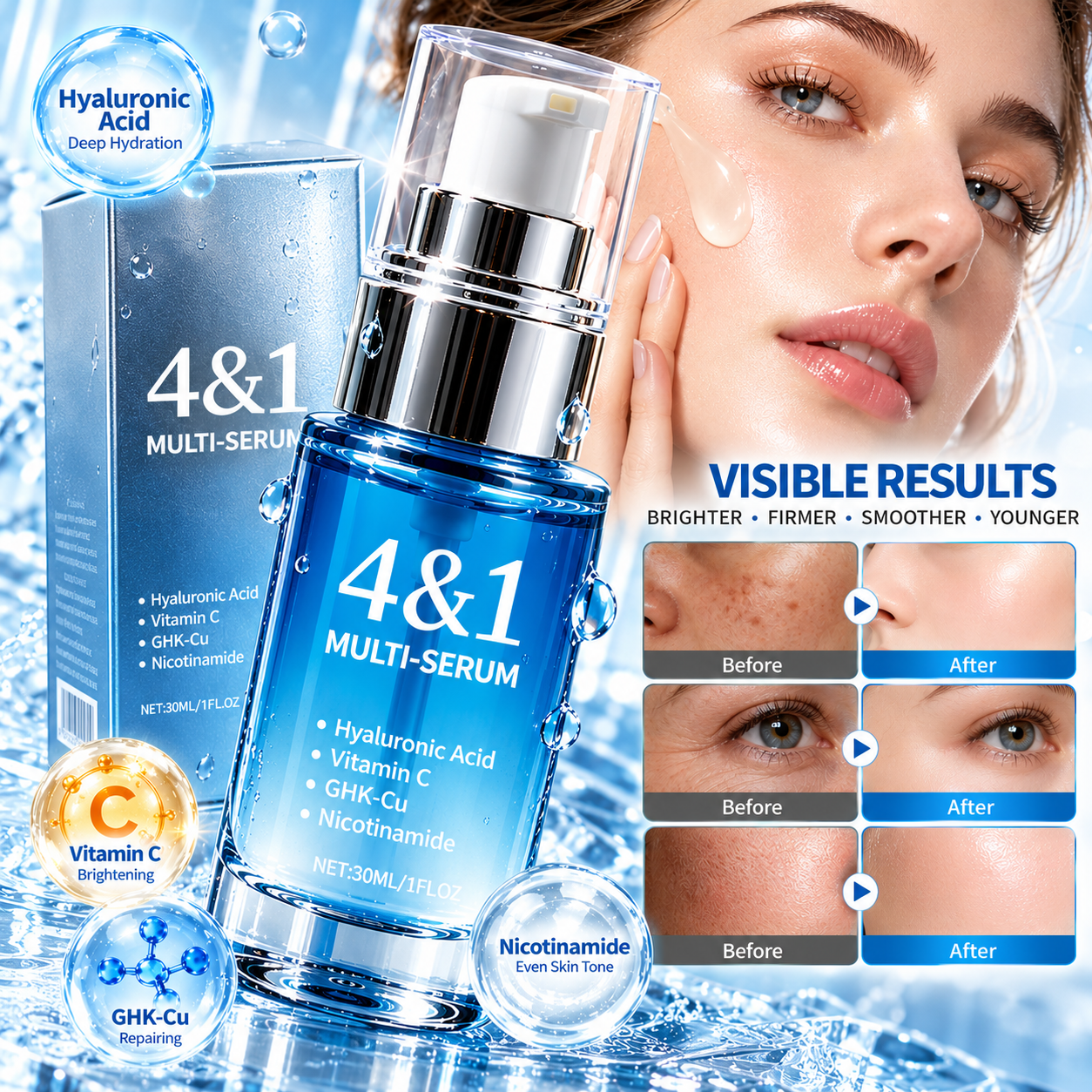
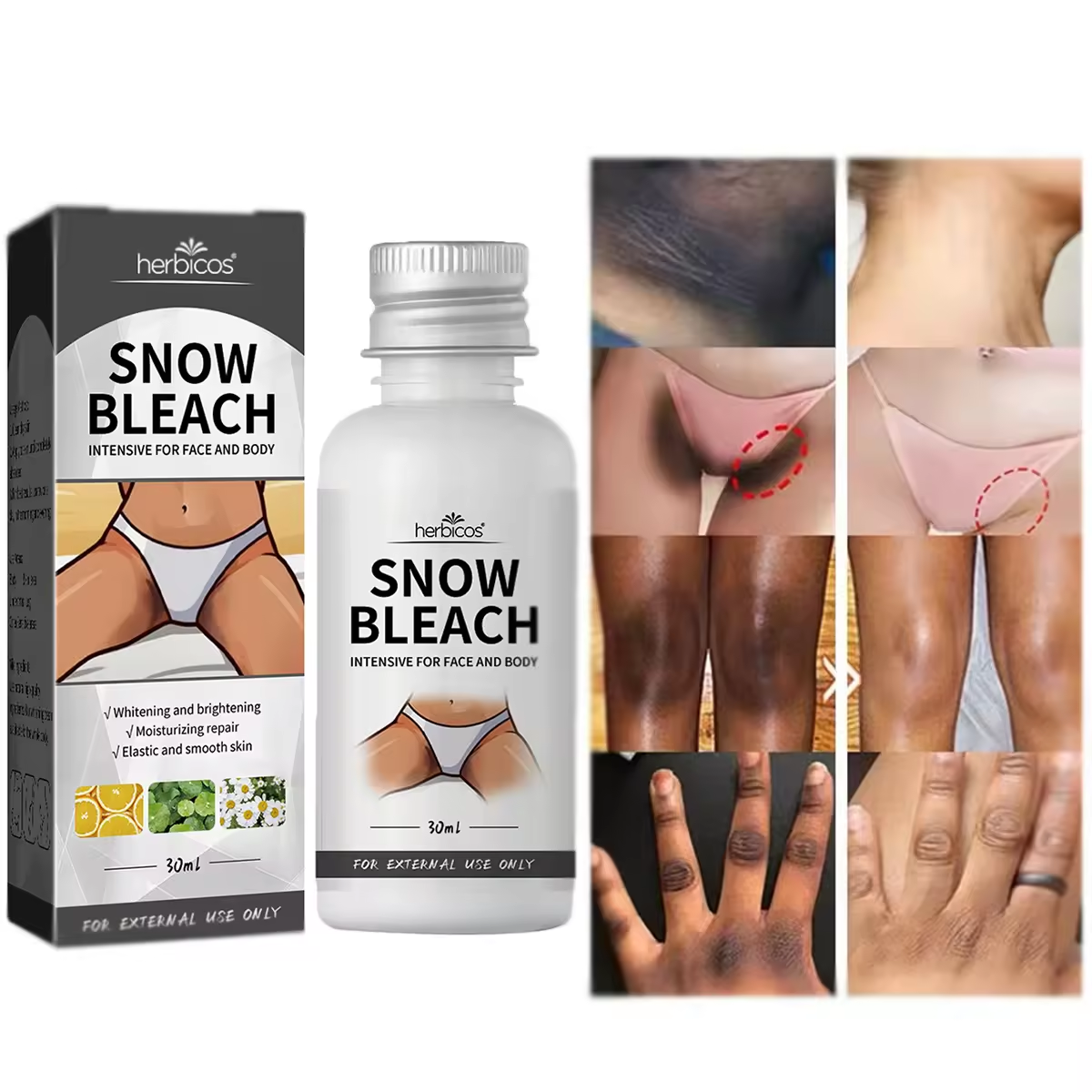
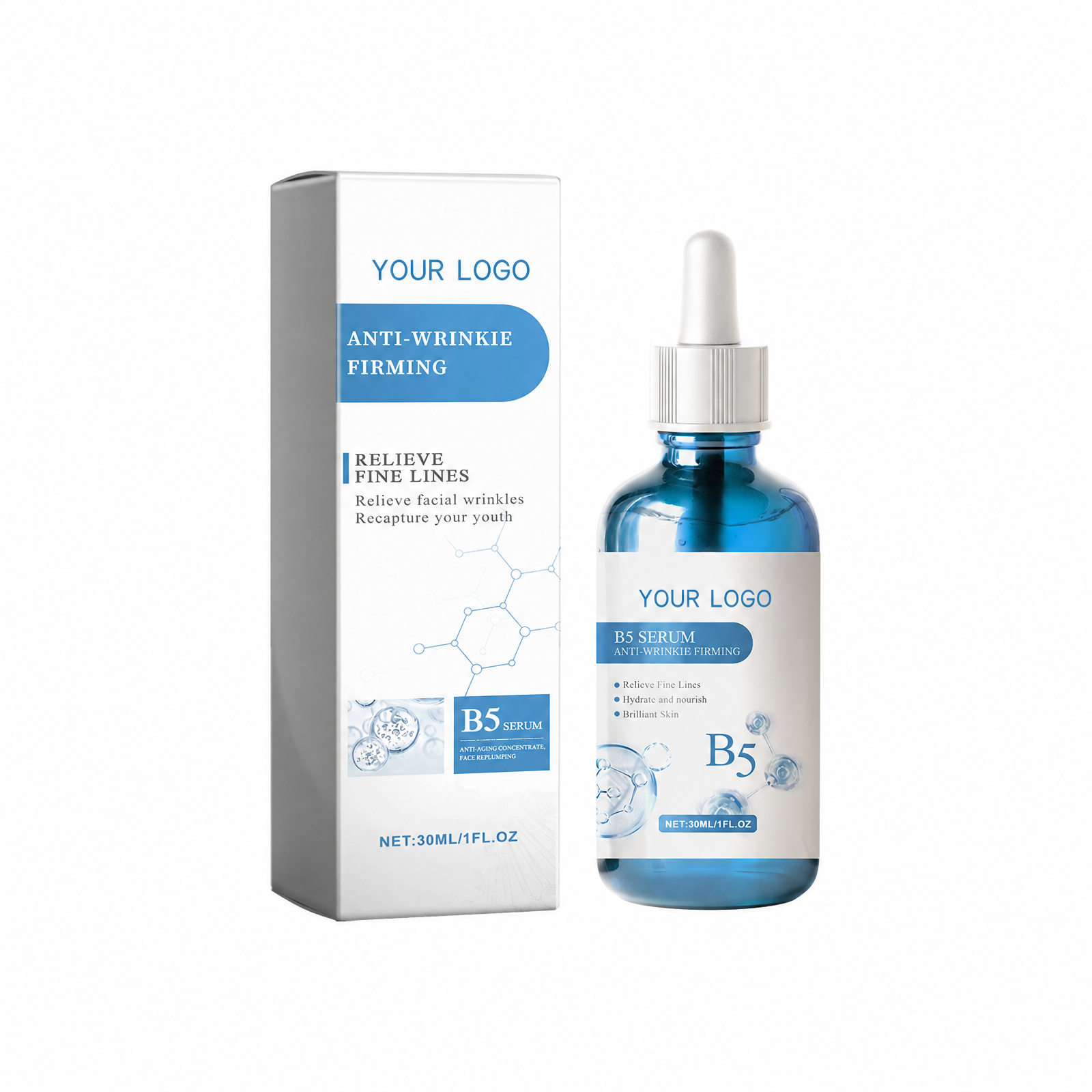
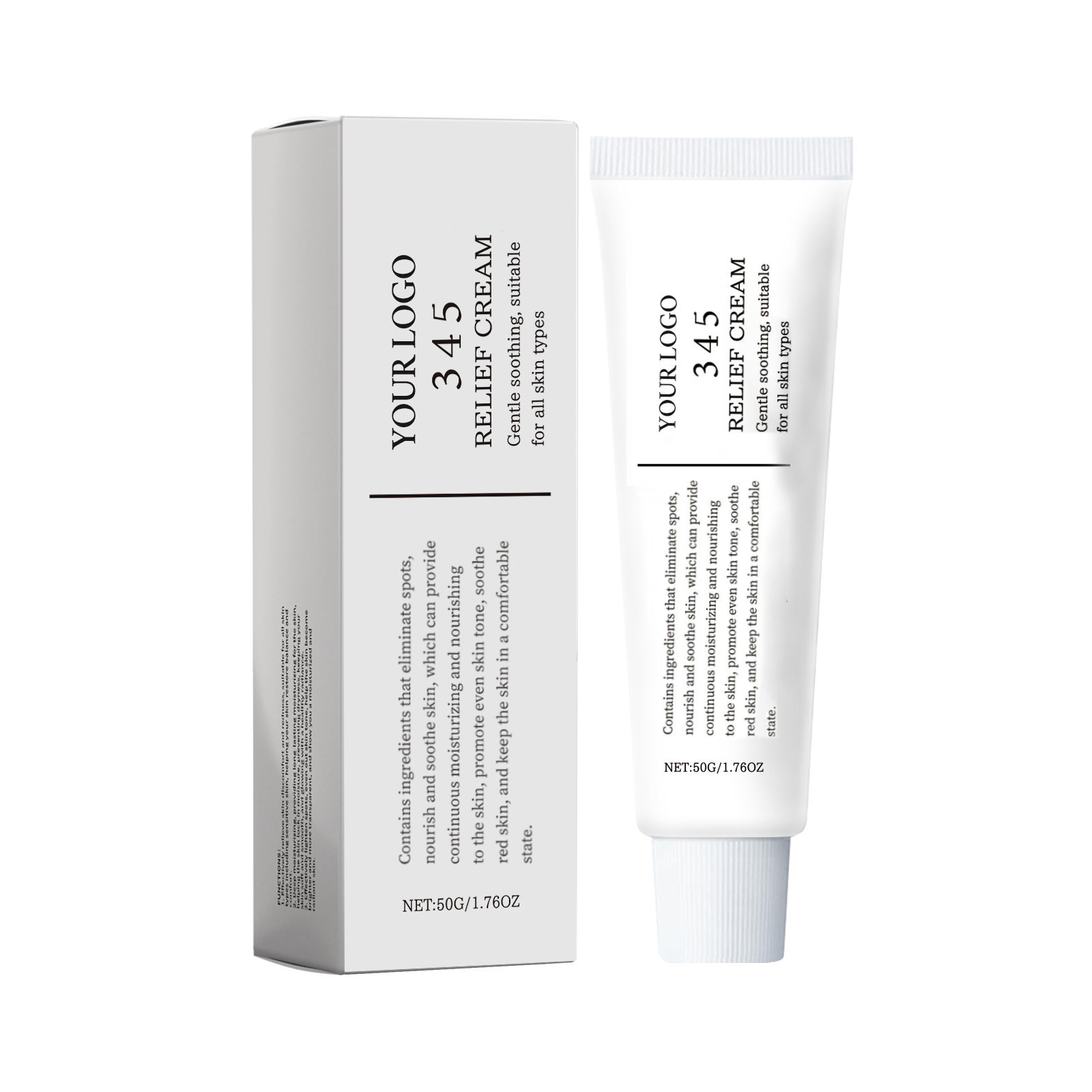
High-Performance Private Label Face Creams & Core Solutions
Engineered for high biological availability, sensory luxury, and market differentiation across North America, Europe, and Asia-Pacific.
Industry Technical Whitepaper
Decoding Face Cream OEM Formulation: Emulsification Engineering & Dermal Penetration
A rigorous examination of interfacial stability, physiological lipid bilayers, and bio-fermentation actives in modern cosmetics contract manufacturing.
1. Sub-Micron Emulsification Dynamics in Vacuum Homogenization
In traditional topical creams, instability often stems from broad droplet-size distribution within the oil-in-water (O/W) or water-in-oil (W/O) phases. When shearing forces are uneven during mechanical stirring, macro-emulsions coalesce over time, resulting in phase separation, syneresis, and diminished shelf-life under variable transit temperatures. At our Guangzhou clean manufacturing base, we deploy multi-stage vacuum emulsifiers operating at controlled shear rates (3000–3600 RPM) under negative atmospheric pressures (-0.08 to -0.09 MPa). This mechanical equilibrium produces stable sub-micron droplet diameters (typically 1.5 to 3.2 microns). The reduced droplet size not only locks active compounds within micellar spheres but fundamentally enhances the rheological sensory profile—delivering a velvety, fast-absorbing texture free from greasy residue.
Furthermore, thermal cycling integrity is evaluated through accelerated centrifugal stress tests (4,000 RPM for 30 minutes) and multi-temperature incubator chambers (-10°C to 48°C across 90-day intervals). For international brand buyers targeting contrasting climates—such as the dry arid zones of the Middle East or humid equatorial regions in Southeast Asia—these mechanical and physical benchmarks guarantee that our private label face creams sustain viscosity and sensory fidelity across extended sea shipments.
2. Biomimetic Lipids and Corneocyte Intercellular Cementation
The stratum corneum is composed of a tightly woven "brick and mortar" architecture, wherein anucleated corneocytes are held together by a multi-lamellar lipid matrix comprised of ceramides, cholesterol, and free fatty acids in an optimal equimolar ratio. Modern consumers are increasingly educated, moving away from occlusive mineral oils toward physiological barrier replenishment.
Our OEM formula laboratory designs custom lipid profiles incorporating phytosphingosine, multi-chain ceramides (NP, AP, EOP), and cold-pressed botanical squalane. By emulating the natural intercellular cement, our face cream formulations reinforce the skin's moisture retention capacity while drastically lowering Trans-Epidermal Water Loss (TEWL). When developing medical-grade barrier relief creams (such as post-laser or blemish soothing moisturizers), we synergize these lipid bases with titrated Centella Asiatica terpenes (asiaticoside, madecassic acid) and low-molecular-weight sodium hyaluronate to accelerate basal membrane tissue regeneration.
3. Active Stabilization: Protecting NAD+, Copper Tripeptides, and Retinoids
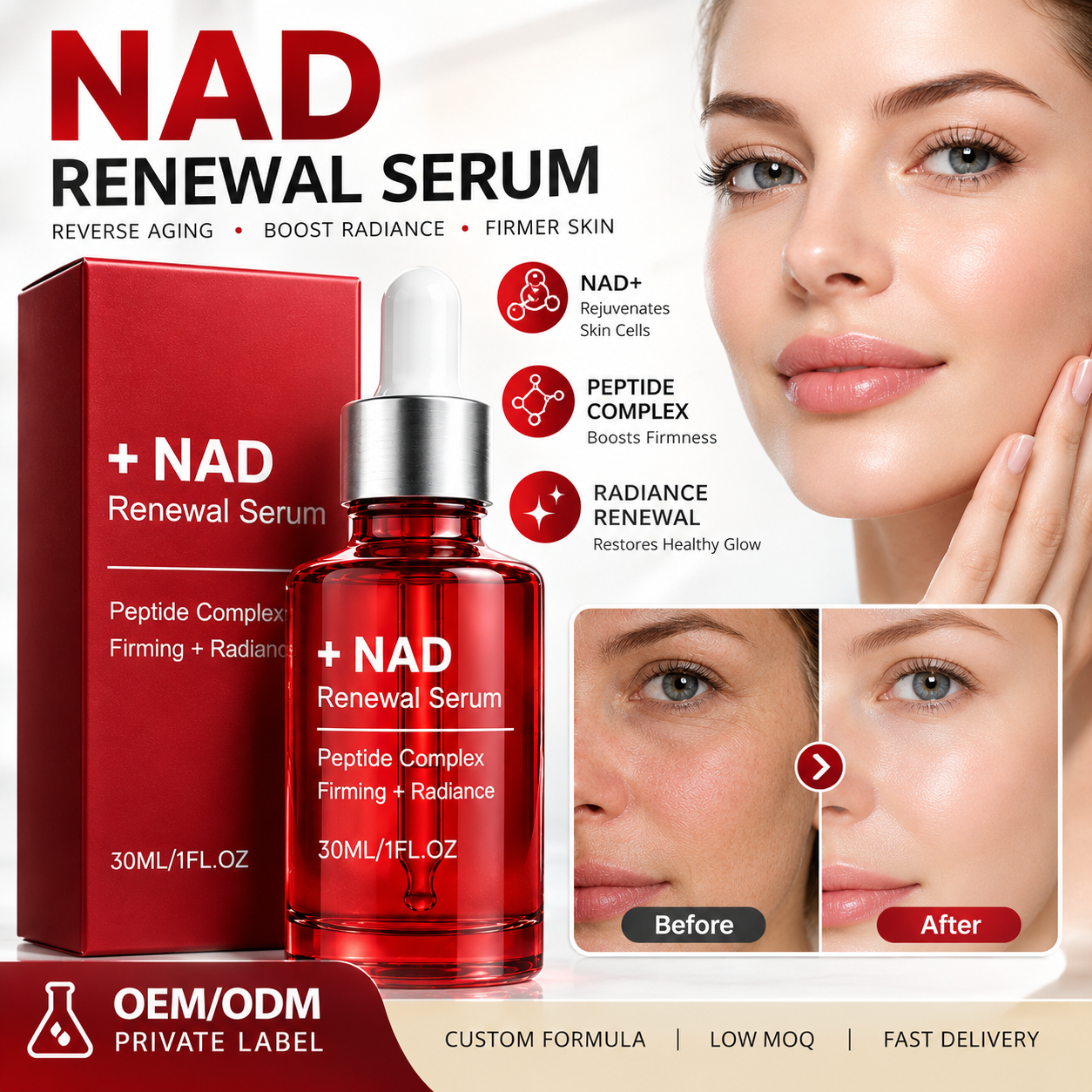
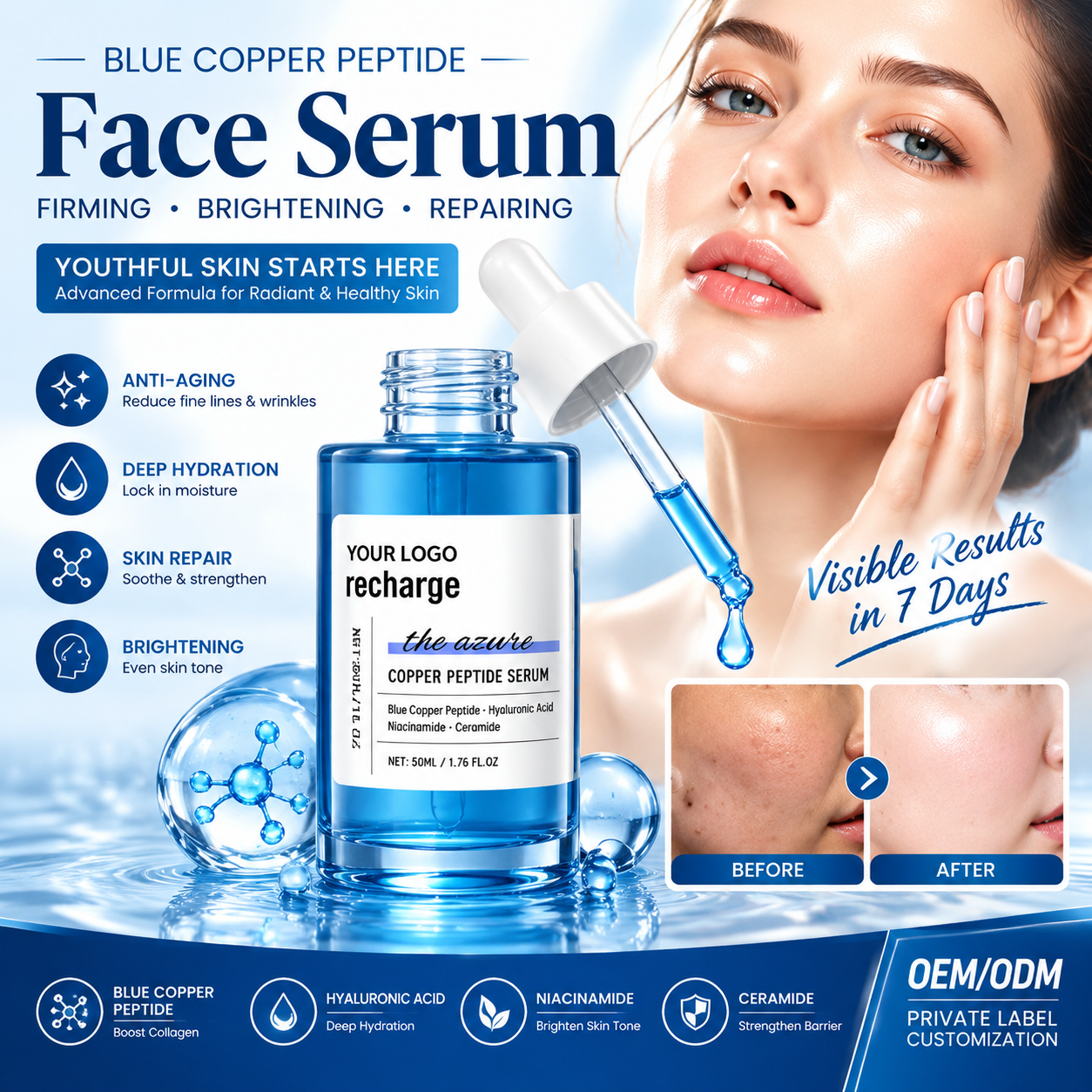
Formulating with high-potency bio-actives requires proactive antioxidant shielding. For instance, Nicotinamide Adenine Dinucleotide (NAD+) and Blue Copper Tripeptide (GHK-Cu) are highly vulnerable to oxidative degradation and hydrolytic cleavage when exposed to ambient oxygen or free metal ions. We resolve this formulation bottleneck through double-phase microencapsulation and nitrogen-blanketed compounding. By insulating sensitive peptide backbones and coenzymes inside lipid liposomes or cyclodextrin carriers, actives remain bioactive right up to dermal application, delivering documented collagen-synthesis and cellular-energizing actions directly to target cutaneous receptors.
Cleanroom Micro-Filtration
Continuous reverse-osmosis EDI water systems ensure conductivity below 1.1 µS/cm, removing bacterial endotoxins and trace mineral catalysts that provoke formula discoloration.
Viscoelastic Tuning
Advanced Brookfield rotational viscometers dial in precise shear-thinning indices, ensuring cream flows effortlessly under pump pressure while resting with opulent body inside glass jars.
Preservative Synergy
Broad-spectrum challenge testing (ISO 11930 standards) using multifunctional booster glycols (e.g., 1,2-hexanediol, caprylyl glycol) for parabens-free, ultra-gentle consumer safety.
Market Strategic Intelligence
Global Face Cream Procurement & Product Trends (2025–2030)
Anticipate regulatory shifts, packaging innovations, and evolving ingredient preferences before planning your next wholesale inventory cycle.
1. Fermented & Bio-Synthesized Actives
Procurement departments are replacing heavy synthetic chemical inputs with postbiotics, bio-fermented galactomyces, and synthetic biology compounds like salmon PDRN. These active drivers demonstrate heightened cellular recognition while complying with European clean-beauty standards.
2. Airless Refill Cartridges & PCR Resin
Sustainability mandates across the EU and North America are transforming wholesale packaging requisites. Demands have pivoted toward post-consumer recycled (PCR) acrylics, lightweight aluminum tubes, and interchangeable airless refill pods that lower overall ocean freight carbon penalties.
3. Strict Regulatory Traceability (MoCRA / CPNP)
US MoCRA implementation and EU CPNP portals require comprehensive product safety dossiers (PIF), allergen screening, and heavy metal assay verification. Sourcing from accredited OEM partners with verified GMP and ISO 22716 credentials has become essential to avoid port rejections.
Guangdong Manufacturing Strength
Why Tier-1 Brands Trust Guangzhou Cairas Beauty
Operating continuously since 2009, Cairas combines chemical expertise, massive cleanroom capacity, and frictionless logistics for private label creators.
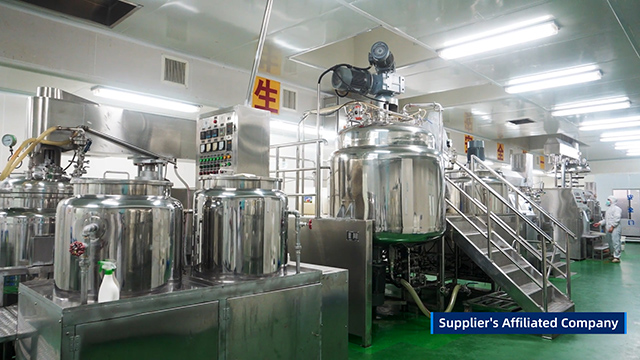
12,180 m² GMP Production Facility
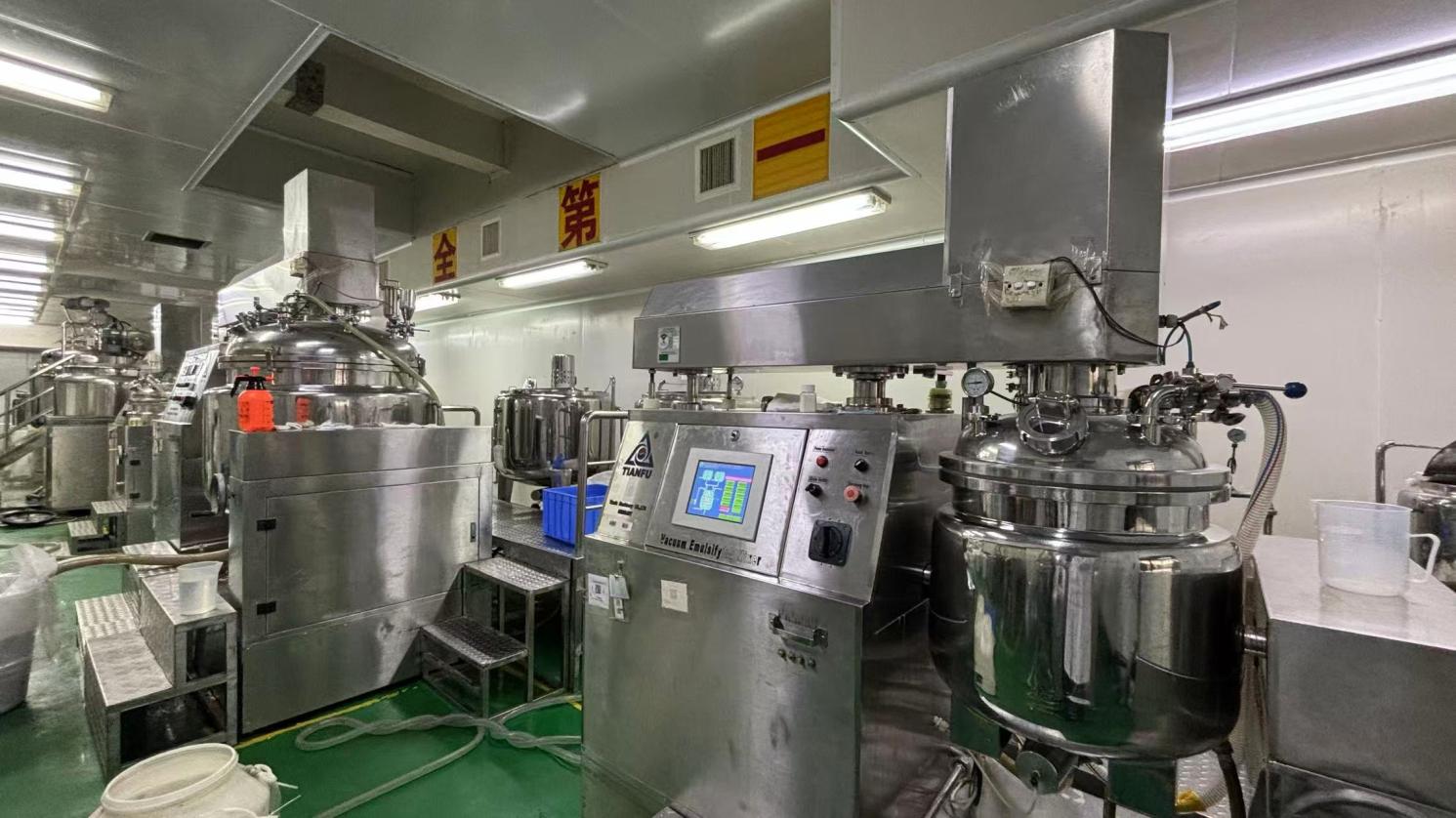
Vacuum Emulsification Technology
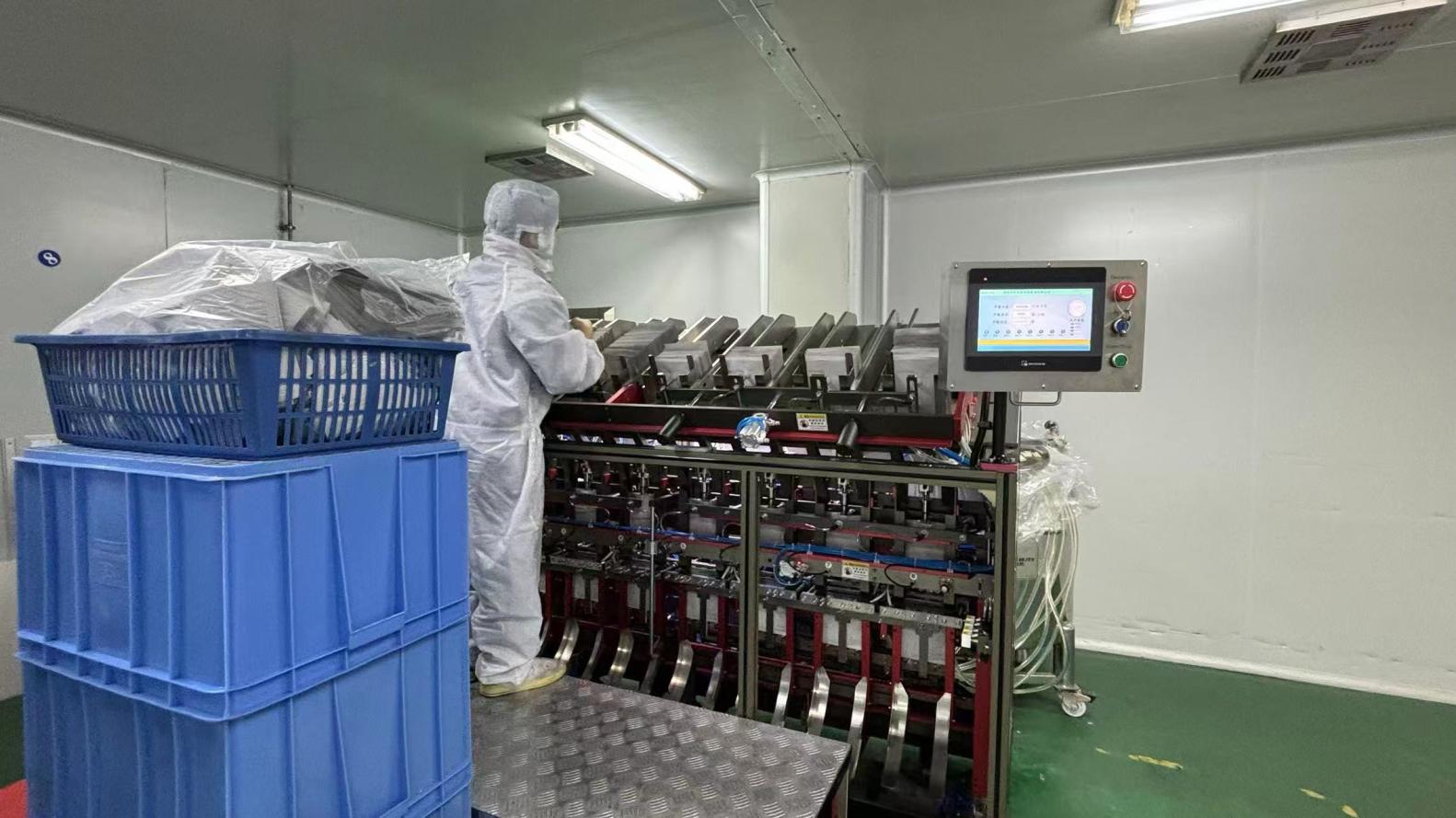
Aseptic Automated Filling Line
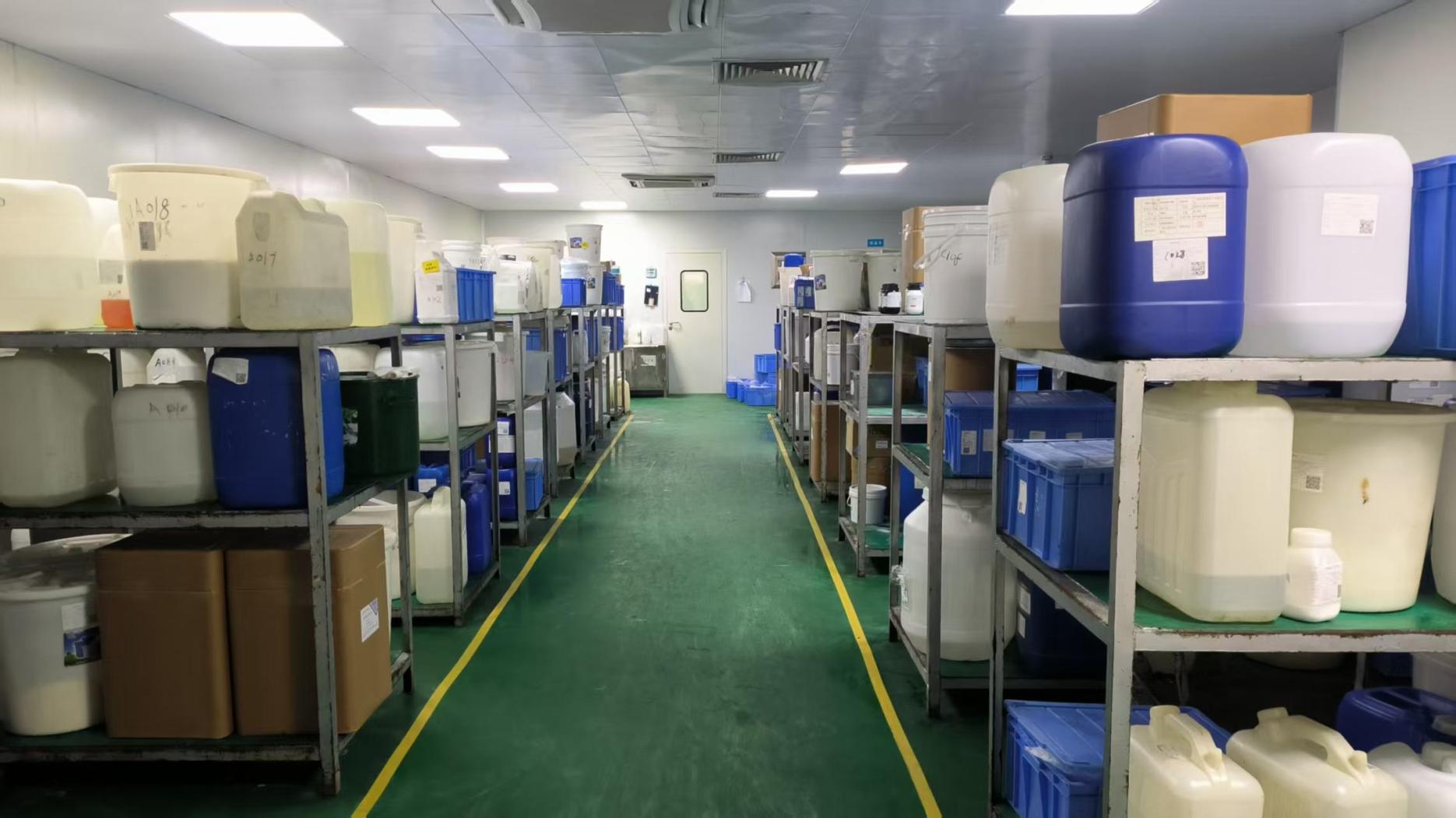
Rigorous Raw-Material Inspection
GMP & ISO 22716 Certifications
Production follows strict ISO 9001 and ISO 22716 procedures. Our facility has passed onsite physical inspections by Intertek, ensuring all batches satisfy international health, hygiene, and export standards.
Rapid Prototyping & Agile MOQs
Validate your market quickly. We support boutique brand incubation with in-stock formula MOQs starting from 10 pieces, and fully customized bespoke formulation and custom packaging runs from 500 to 1,000 units.
Full Export Clearance Support
We supply complete analytical support including Certificates of Analysis (COA), Safety Data Sheets (MSDS), Intertek reports, Stability testing, and full technical dossiers for EU CPNP and US FDA registrations.
Procurement Clarity
Frequently Asked Questions on Face Cream Contract Manufacturing
Clear, direct technical answers covering minimum order quantities, formulation customization, stability testing, and trade agreements.
What is the realistic MOQ for custom face cream OEM vs. stock private label?
For ready-to-ship, catalog-tested formulations using our stock containers, MOQs can start as low as 10 to 50 pieces, allowing you to launch proof-of-concept tests. When requesting complete ODM customization—such as custom scent profiles, bespoke active percentages, proprietary textures, and custom-molded or printed packaging—the typical production run starts between 500 and 1,000 units per SKU to optimize production costs.
How does your lab perform emulsion stability and preservative efficacy challenge testing?
Every newly engineered formulation undergoes a minimum 3-month thermal stress matrix across 4°C, 25°C, 40°C, and 48°C, alongside freeze-thaw cycles (-10°C to 40°C) over 5 consecutive intervals. In parallel, our microbiological laboratory conducts challenge tests compliant with ISO 11930 standards, inoculating formulas with Pseudomonas aeruginosa, Staphylococcus aureus, Escherichia coli, Candida albicans, and Aspergillus brasiliensis to confirm non-contamination over a 28-day surveillance window.
Can you replicate or benchmark an existing market leader’s face cream formula?
Yes. Through reverse engineering and formulation profiling (including pH testing, viscosity analysis, sensory mapping, and active extraction quantification), our R&D chemists can benchmark popular Korean, European, or American products while upgrading the active matrix to ensure clean, compliant, and cost-efficient production.
What international export documents are included with bulk face cream shipments?
Every batch is released with a comprehensive documentation package, including batch-specific Certificate of Analysis (COA), 16-section GHS-compliant Safety Data Sheet (MSDS), heavy metal assay reports (lead, arsenic, mercury, cadmium), microbiological purity results, and Certificate of Free Sale (CFS) upon request. We also provide full technical dossiers for European CPNP notification and US FDA cosmetic facility listings under MoCRA.
What trade terms and settlement currencies does Guangzhou Cairas support?
We support multiple international trade modalities including FOB (Guangzhou/Shenzhen), EXW, CFR, CIF, FCA, CIP, as well as full turnkey DDP (Delivered Duty Paid) air and ocean freight directly to your commercial warehouse or Amazon FBA distribution hubs. Payments are accepted in USD, EUR, GBP, AUD, CAD, JPY, HKD, and CNY via T/T wire transfer, L/C, PayPal, credit card, and verified escrow.