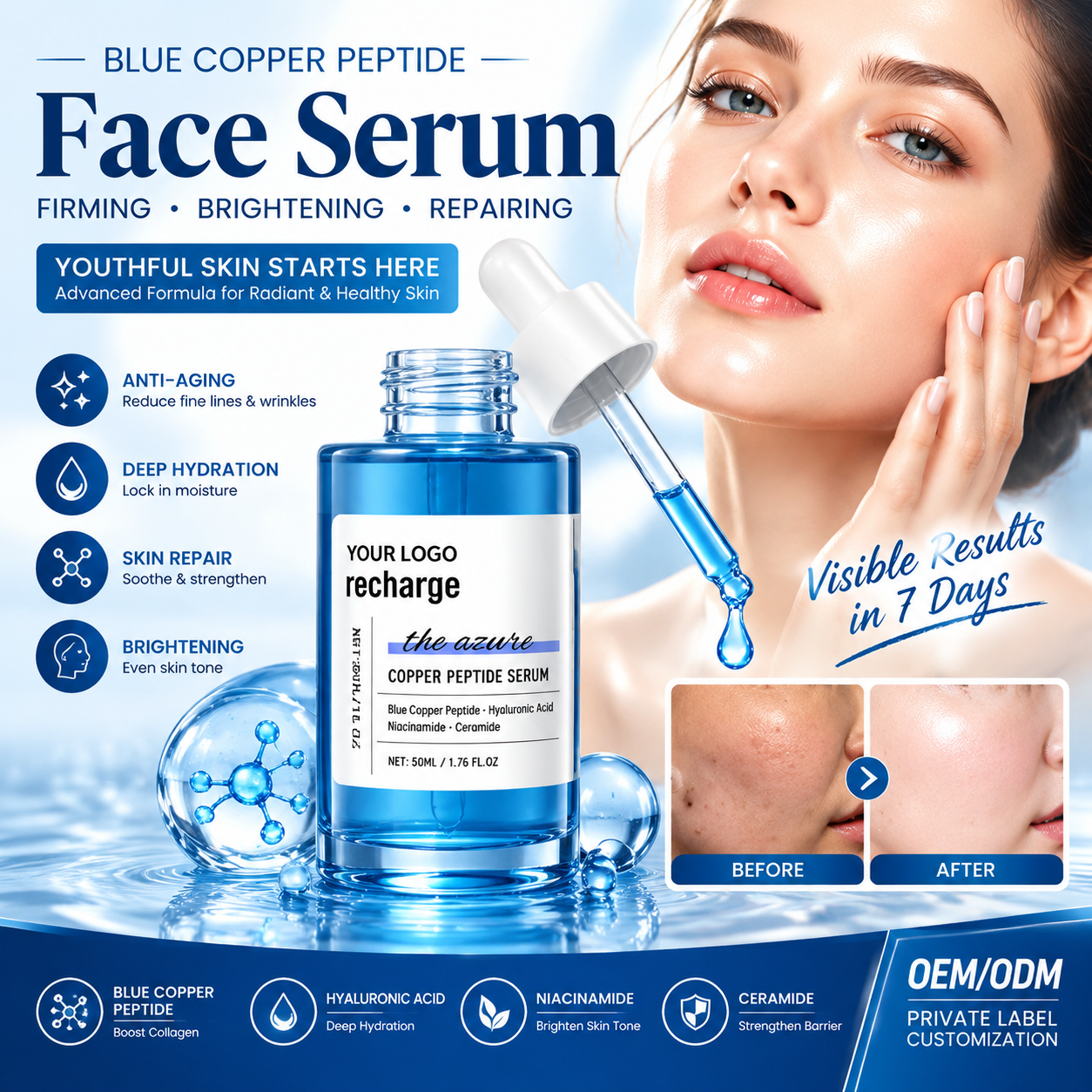
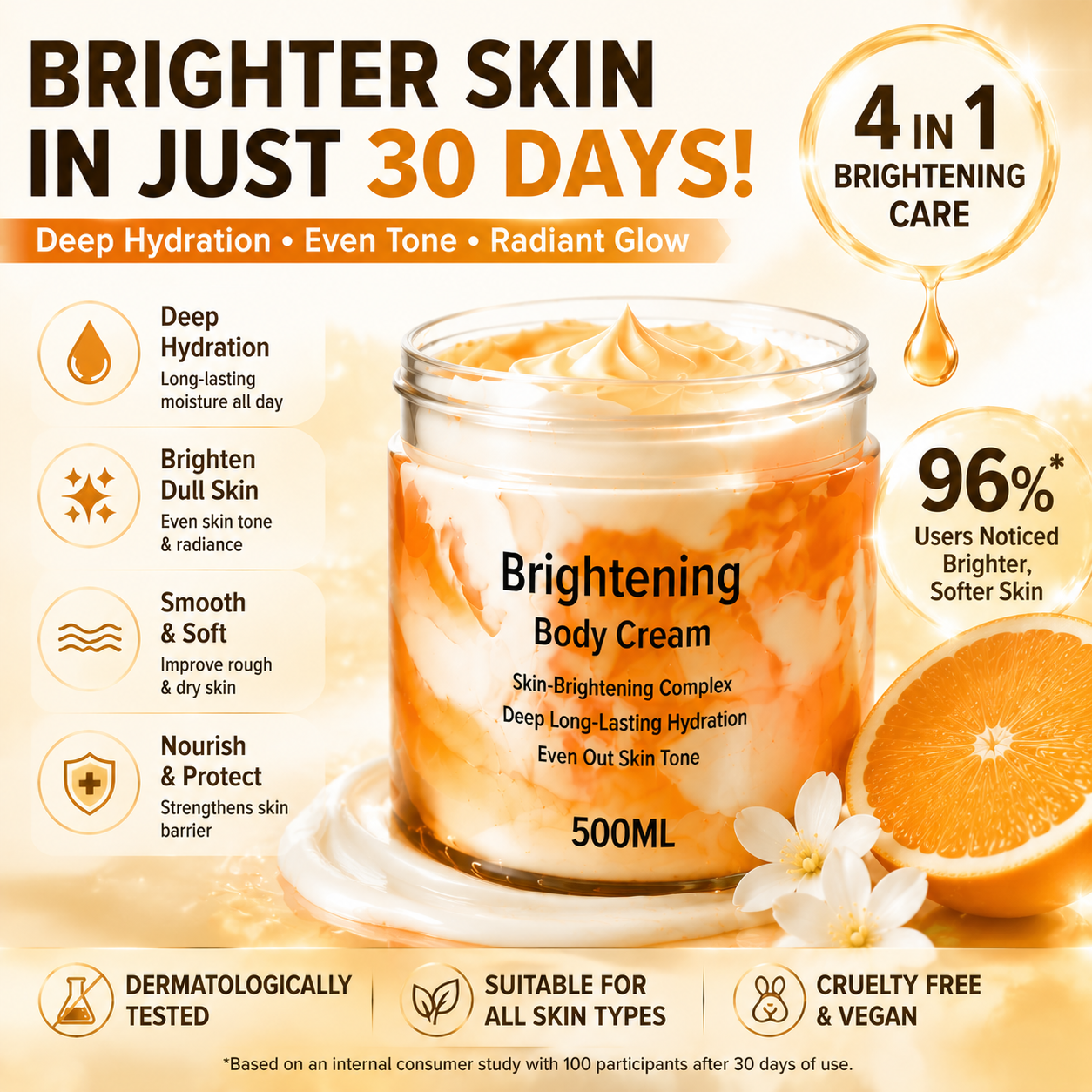
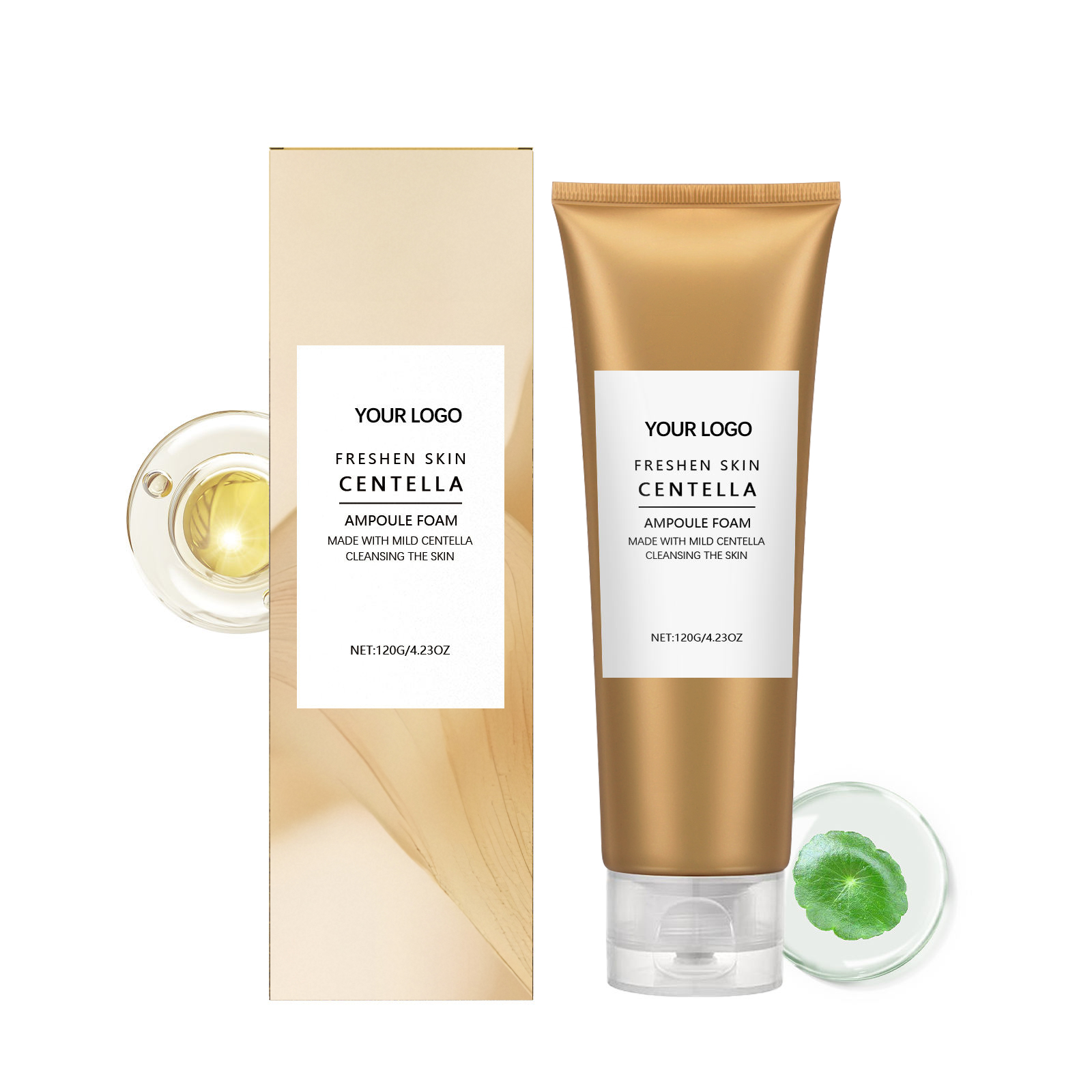
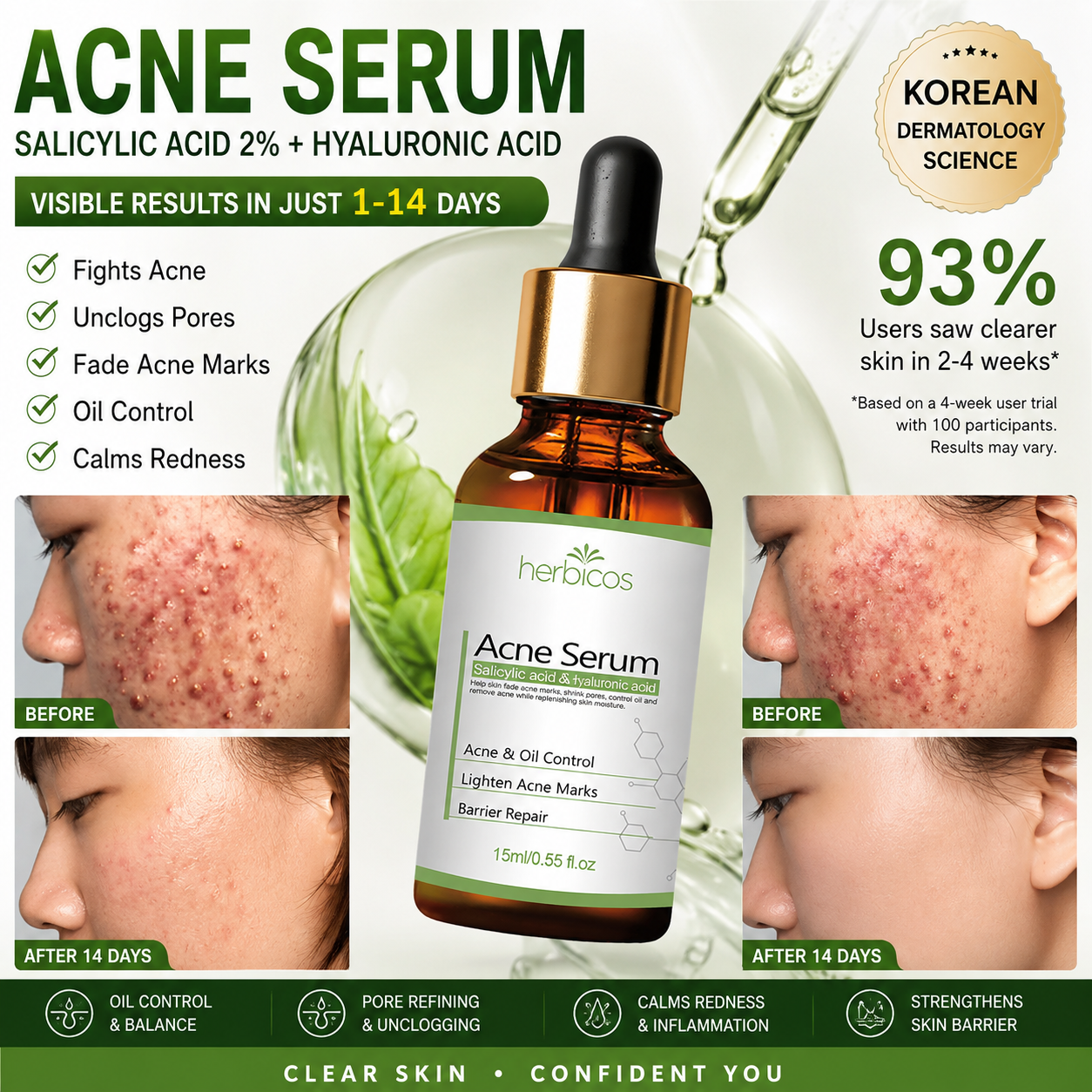
Featured Active Formulations & Private Label Solutions
Manufactured under verified GMP and ISO 22716 cleanroom standards. Explore our high-stability functional skincare, restorative serums, and custom formulations engineered for global importers.

17+
Years Industry Expertise (Est. 2009)
12,180 m²
Cleanroom Manufacturing Floorspace
70+
Certified Supply Chain Partners
4.5 / 5.0
Verified Buyer Satisfaction Rating
1. Executive White Paper: The Strategic Position of China's Castor Oil Refining & Export Infrastructure
In modern oleochemical and personal care manufacturing, castor oil (Ricinus communis seed oil) occupies an irreplaceable position. Known biochemically as a dense triglyceride consisting of approximately 85% to 92% ricinoleic acid (12-hydroxy-9-octadecenoic acid), it provides unique polarity, natural humectant properties, elevated viscosity, and high oxidative stability. Over the past decade, international buyers from North America, the European Union, Australia, and East Asia have continually sought reliable, high-volume castor oil bulk suppliers capable of bridging raw oleochemical refining with GMP-certified cosmetic manufacturing.
China has solidified its reputation as the preeminent processing and manufacturing powerhouse for industrial, pharmaceutical, and personal-care-grade castor oil derivatives. While agronomic seed production remains distributed across South Asia and domestic Chinese agricultural bases, the refining technology, fractionation precision, molecular distillation, and downstream formulation ecosystem in China are unmatched. Modern Chinese extraction facilities operate multi-stage vacuum deodorization, bleaching, and cold-filtration units capable of eliminating free fatty acids, trace ricin toxins, and volatile odor compounds, resulting in First Special Grade (FSG), cosmetic cold-pressed grades, and pale-pressed technical oils compliant with international pharmacopeias (USP/EP).
For enterprise procurement officers, brand owners, and cosmetic laboratory directors, sourcing through an experienced Chinese processing and manufacturing partner such as Guangzhou Cairas Beauty Products Co., Ltd. delivers critical structural advantages: direct access to scalable bulk tanks (IBC totes, flexitanks, and 200L steel drums), integrated OEM/ODM cleanroom formulation facilities, and end-to-end supply chain transparency verified by independent inspection agencies like Intertek.
| Analytical Parameter | USP/Cosmetic Cold-Pressed Grade | First Special Grade (FSG) | Hydrogenated Castor Oil (HCO / Castor Wax) |
|---|---|---|---|
| Ricinoleic Acid Content | 88.0% – 92.5% | 85.0% – 89.0% | > 85.0% (as 12-Hydroxystearic Acid) |
| Acid Value (mg KOH/g) | ≤ 1.00 max | ≤ 2.00 max | ≤ 3.00 max |
| Hydroxyl Value | 160 – 168 | 158 – 165 | 155 – 165 |
| Iodine Value (g I₂/100g) | 82 – 88 | 82 – 90 | ≤ 5.0 (Fully saturated) |
| Refractive Index (40°C) | 1.470 – 1.481 | 1.470 – 1.480 | N/A (Melting point: 83–88°C) |
| Principal Applications | Scalp serums, lip balms, emulsifying base | Industrial lubricants, polyurethane polyols | Stick foundations, rheology modifiers, deodorants |
2. Technical Formulation Synergy: Why Global Brands Integrate Refined Castor Oil
The commercial value of castor oil extends far beyond standalone pure oil distribution. Modern personal care chemists utilize the unique molecular architecture of ricinoleic acid—distinguished by its secondary hydroxyl group at carbon 12 and cis double bond at carbon 9—as a dynamic solvent, pigment wetting agent, and natural penetration enhancer. When blended in advanced cosmetic matrices, refined castor oil delivers unparalleled functional stability:
High Pigment Dispersion in Color & Tinted Formulations: Because of its high dielectric constant and polarity relative to standard hydrocarbon oils, refined castor oil uniformly suspends mineral oxides (such as titanium dioxide and iron oxides) without gritty agglomeration. This property makes it the universal gold standard for lipsticks, tinted skin protectants, and pigmented barrier sticks.
Follicle & Scalp Micro-Circulation Vehicles: In trichological research, ricinoleic acid has demonstrated natural prostaglandin D2 (PGD2) inhibition and localized micro-circulation stimulation. Modern high-growth private label hair oils leverage castor oil as a dense carrier base combined with botanical essential oils (such as Rosmarinus officinalis and ginger root extracts), fortifying follicular shafts and sealing split cuticles while resisting oxidation under long shelf-life conditions.
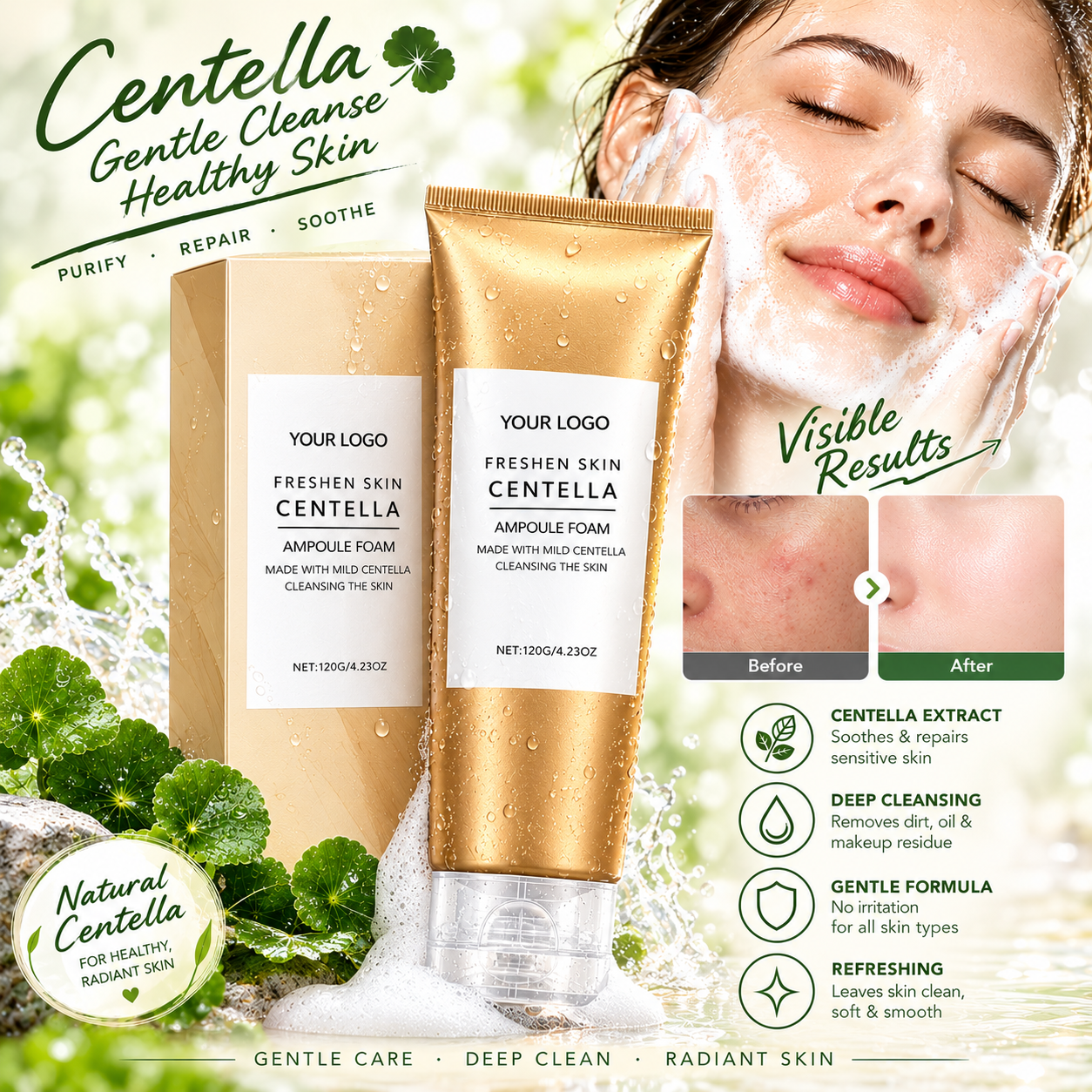
Surfactant & Cleansing Complex Precursors: Through ethoxylation or mild potassium saponification, castor oil yields PEG-35, PEG-40, or sulfated derivatives that form micro-emulsions in cleansers, facial foam washes, and cleansing balms. These formulations efficiently capture hydrophobic sebum while leaving the moisture barrier supple and replenished.
Enterprise Competitive Edge: Guangzhou Cairas Manufacturing Ecosystem
Operating a modernized 12,180 m² facility in Guangzhou since 2009, Cairas combines industrial-scale oleochemical processing with advanced pharmaceutical-grade cleanroom cosmetics production.
GMP & ISO 22716 Certified Cleanrooms
Production environments maintain class-100,000 clean air filtration standards, automated vacuum emulsifying systems, and strict microbiological barrier controls preventing cross-contamination.
Intertek Onsite Assessed & Audited
Our operational scale, production capacity, machine assets, employee health protocols, and trade history are verified onsite by Intertek, ensuring reliable supply chain transparency.
Complete Regulatory Dossiers: CE & CPNP
All stock and custom formulas are supported by extensive Safety Data Sheets (MSDS), Certificates of Analysis (COA), microbiological challenge logs, and EU CPNP notification files for straightforward clearance.
In-House Analytical Laboratory
Equipped with viscometers, digital Abbe refractometers, high-precision pH meters, thermal incubators, and accelerated centrifuges to validate oil stability across broad temperature spectrums.
Comprehensive Export Logistics & DDP
Flexible logistics coverage across North America, Europe, Australia, and Asia with FOB, CIF, EXW, and door-to-door DDP services handling palletized drums, IBC totes, and container flexibags.
Agile Low MOQ to Mass Container Volume
Rapid pilot sampling and custom batch manufacturing starting from minimal trial units up to monthly multi-metric-ton automated runs, empowering brands at every stage of growth.
Future Sourcing & Procurement Trends: Castor Derivatives (2025–2030)
Strategic market intelligence for B2B sourcing specialists navigating clean chemistry, carbon reduction mandates, and shifting consumer expectations.
1. Traceable Clean-Label Cold Pressing
Buyers are shifting away from solvent-extracted (hexane) grades toward certified mechanical cold-pressed oils. Hexane residue limits are tightening globally, favoring factories with closed-loop cold expeller systems.
2. Synergistic Scalp-Care Formulations
Standalone castor oil demand is converging with clinical active carrier blends. Combining bulk castor oil with copper peptides, batana oil, rosemary extract, and biotin represents the highest-growing B2B segment.
3. Bio-Based Surfactants & Solid Sticks
With global crackdowns on microplastics and synthetic silicones, hydrogenated castor oil waxes (HCO) are surging as eco-friendly structuring agents for solid deodorants, tanning balms, and waterless cosmetics.
4. Digital Traceability & LCA Verification
European and US corporate sustainability targets require documented Life Cycle Assessments (LCA) and deforestation-free provenance, driving long-term supplier agreements with auditable Chinese facilities.
3. B2B Sourcing Protocol: How Enterprise Buyers Verify Quality Before Batch Release
Procuring bulk castor oil and private label derivatives requires an exhaustive multi-checkpoint verification workflow. Low-grade suppliers often cut costs by blending lower-cost vegetable oils (e.g., soybean, canola, or waste industrial fats), altering viscosity, hydroxyl values, and stability profiles. When qualifying an export manufacturer, technical buyers must enforce the following validation regimen:
1. Verification of the Hydroxyl Index: Because ricinoleic acid is virtually unique among commercial vegetable oils in possessing a secondary hydroxyl group, the hydroxyl value serves as the primary chemical fingerprint. A standard reading between 160 and 168 mg KOH/g proves authentic purity. Any reading below 155 indicates dilution with non-hydroxylated fatty oils.
2. Gas Chromatography (GC) Fatty Acid Composition Testing: Prior to loading containers or filling private-label cosmetic vials, every batch must undergo capillary GC analysis confirming ricinoleic acid concentration above 85.0%, with trace linoleic (2.5–6.0%), oleic (2.5–5.0%), stearic (0.5–1.5%), and palmitic acids (< 1.5%) within standard stoichiometric bounds.
3. Rigorous De-Ricinization & Toxin Screening: Raw castor seeds contain ricin, a potent ribosome-inactivating protein. Modern Chinese steam refining, hot water wash purification, and high-temperature vacuum deodorization completely denature and eliminate proteins from the lipid phase. Export documentation must guarantee undetectable protein traces and verified non-toxicity.
4. Packaging Integrity & Moisture Barricades: Castor oil is hygroscopic; elevated moisture absorption increases free fatty acid formation and rancidity over transoceanic shipping routes. Our factory standardizes on nitrogen-blanketed nitrogen-purged steel drums, UV-protected HDPE intermediate bulk containers (IBCs), or customized UV-amber glass retail dropper bottles for cosmetic lines.
Frequently Asked Questions: B2B Castor Oil Procurement
Direct technical and operational answers from our export sales engineering department.
What are the primary differences between First Special Grade (FSG) and Cosmetic Cold-Pressed Castor Oil?
First Special Grade (FSG) is produced through initial hydraulic or expeller pressing followed by chemical extraction and bleaching; it has an exceptionally light pale-yellow color and minimal acidity, making it optimal for pharmaceutical synthesis, polyurethane production, and industrial lubricants. Cosmetic Cold-Pressed Castor Oil is extracted exclusively via mechanical cold pressing without chemical solvents at temperatures under 50°C, preserving endogenous tocopherols, phytosterols, and natural bioactives. It is the premier choice for scalp serums, lip cosmetics, and clean-label personal care brands.
What minimum order quantities (MOQ) apply to bulk barrels versus private label finished cosmetic packaging?
For raw bulk oil deliveries in standard 200-liter (approx. 190 kg net) epoxy-lined steel drums or 1,000-liter IBC totes, our standard minimum order quantity starts from 1 single drum or tote for verified corporate accounts. For private label, custom-bottled cosmetic formulas (such as rosemary-infused castor hair growth oils, custom dropper bottles, or body lotions), ready-to-label standard inventory starts from as low as 10 to 500 units, while full custom-tooled bottles and custom-printed luxury boxes generally require 1,000 to 3,000 units per SKU.
How does Guangzhou Cairas ensure compliance with European and North American cosmetic regulations?
Every production run adheres strictly to Good Manufacturing Practices (GMP) and ISO 22716 guidelines. We furnish full documentation packages including complete Safety Data Sheets (MSDS/SDS) compliant with GHS formatting, batch-specific Certificates of Analysis (COA), heavy metal screening reports (Lead, Arsenic, Mercury, Cadmium < 10ppm total), and microbiological test logs. For clients importing into the European Economic Area, our compliance team provides Cosmetic Product Notification Portal (CPNP) documentation and CE verification dossiers.
What is the shelf life of bulk castor oil and how should it be stored during ocean transit?
Pure, unadulterated cosmetic-grade castor oil features exceptional oxidative stability compared to polyunsaturated oils (such as sunflower, rosehip, or flaxseed), possessing a standard baseline shelf life of 24 to 36 months when stored unopened in a cool, dry environment away from direct sunlight. For transoceanic export, containers are sealed under nitrogen flushes to prevent oxidation, and shipments should be maintained below 30°C to prevent thermal hydrolysis.
Can Cairas formulate customized hair growth serums or emulsions incorporating castor oil?
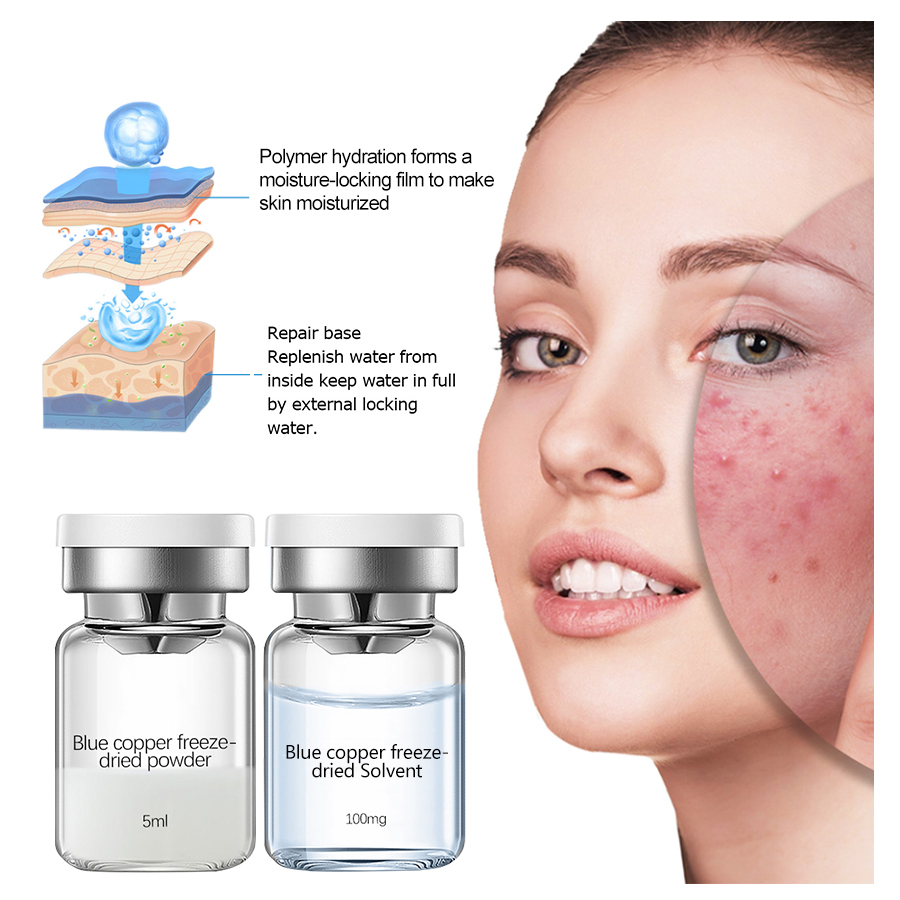
Yes. Our Guangzhou R&D center specializes in complex active delivery systems. We routinely engineer proprietary scalp treatments incorporating pure castor oil combined with botanical extracts (rosemary, ginger, camellia seed), growth peptides (such as Blue Copper GHK-Cu), biotin, and lightweight ester oils to optimize spreadability and washability. We can formulate liquid serums, freeze-dried powders, rich body creams, exfoliating sugar scrubs, or clear facial foaming cleansers to your exact brand specifications.
What payment terms and delivery arrangements are supported for international enterprise contracts?
We accept multiple global commercial payment methods including Telegraphic Transfer (T/T), Letter of Credit at sight (L/C), D/P, PayPal, Western Union, and secure escrow services across major currencies (USD, EUR, GBP, AUD, CAD, JPY, CNY). Shipping terms include FOB Guangzhou/Shenzhen, CFR, CIF, CIP, and complete Door-to-Door Delivered Duty Paid (DDP) by sea or air, taking full charge of customs clearance and inland terminal transport.
Ready to Secure High-Purity Bulk Castor Oil or Launch Your Private Label Line?
Connect directly with our senior cosmetic formulation chemists and global export trade specialists. Request an unvarnished bulk quotation, review batch Certificates of Analysis, or obtain rapid pre-production laboratory samples.