[email protected] Guangzhou, Guangdong, China
Intertek Onsite Verified EN · USD
0%

Retinol Facial Serum is a topical skincare product powered by retinol, a vitamin A derivative. It is widely used to improve uneven texture, fine lines, and blemish-prone skin. The science is promising, but the results are gradual.

After application, skin enzymes convert retinol into retinaldehyde and then retinoic acid. This active pathway can encourage faster cell turnover and support collagen production. It may also help keep pores clearer by reducing the buildup of dead skin cells. Prescription tretinoin works more directly and usually more strongly. Retinol products are generally milder, but they still require careful use.

The American Academy of Dermatology recognizes topical retinoids as useful for acne and signs of photoaging. Meanwhile, Grand View Research reports continued growth in the global anti-aging skincare market, reflecting strong consumer interest in proven ingredients. These reports show market demand, not guaranteed personal results. That distinction matters.

Start with a pea-sized amount at night, two times weekly. Apply it to completely dry skin. A small amount can cover the entire face. Expect possible dryness, redness, or peeling during adjustment. Moisturizer helps. Daily broad-spectrum sunscreen remains essential, because retinol can increase sensitivity and sun exposure worsens visible aging.

Stronger is not always better.

Pregnant or breastfeeding users should ask a qualified healthcare professional before using retinoid products. Individual tolerance varies, and product concentration, formulation, and skin condition all influence outcomes. Understanding these details makes Retinol Facial Serum easier to use responsibly.
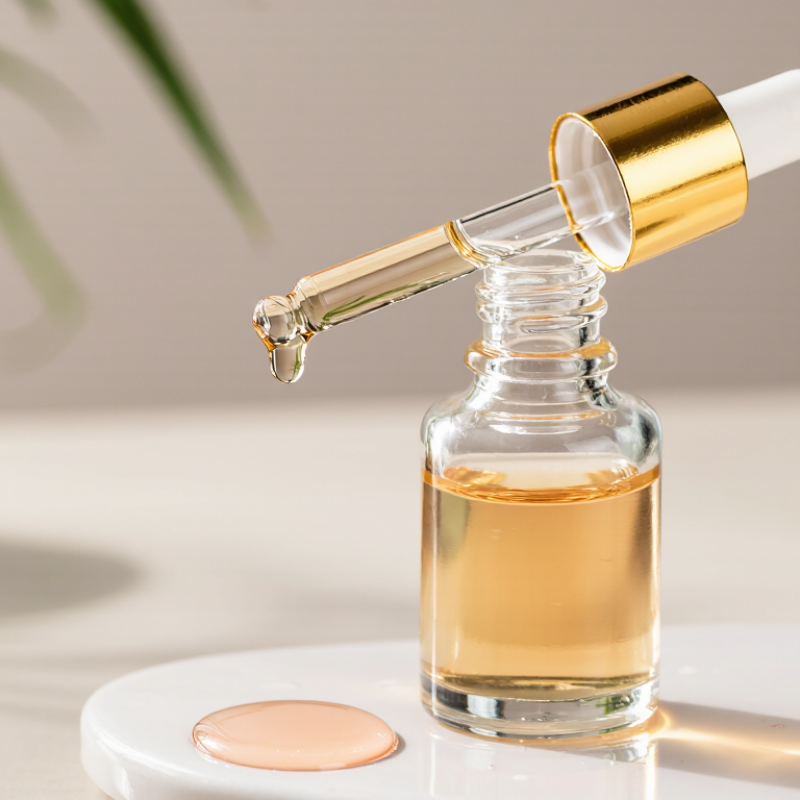
What Is Retinol Facial Serum and How Does It Work?

Retinol Serum Defined: Vitamin A, Typical Strengths, and Cosmetic Uses

Retinol facial serum is a leave-on cosmetic product containing retinol, a vitamin A derivative. After application, skin converts retinol through intermediate forms into retinoic acid. This process supports normal cell renewal and may encourage collagen-related activity. Results usually develop gradually, not overnight. Fine lines may look softer, and uneven texture may become smoother with consistent use.

Typical strengths range from about 0.1% to 1%, although labels and formulas are not always directly comparable. Lower concentrations may suit beginners or sensitive skin. Higher levels can feel more active, but “stronger” does not always mean better. Redness, dryness, peeling, or burning can interrupt progress. Retinol is commonly used for visible signs of aging, rough texture, dullness, and uneven-looking tone. It does not replace sunscreen, and daylight protection remains important.

Tips: Apply a pea-sized amount to completely dry skin two or three nights weekly. Use moisturizer before or after it if tightness appears. Avoid the eye corners, lips, and broken skin. Patch testing is sensible, though it cannot predict every reaction. Increase frequency slowly. If persistent swelling or painful irritation develops, stop using it and seek professional advice. Pregnancy or breastfeeding also warrants guidance from a qualified healthcare professional. Be patient. Skin often needs several weeks to adjust.

Skin Activation Pathway: Retinol Requires Two Enzymatic Conversions to Retinoic Acid

Retinol facial serum is a vitamin A derivative used in many cosmetic routines. Its activity depends on conversion inside the skin. Retinol first becomes retinaldehyde. A second enzymatic step changes retinaldehyde into retinoic acid, the biologically active form. Retinoic acid can bind nuclear receptors and influence cell turnover, collagen production, and pigment distribution.

The pathway sounds tidy. Skin biology is not. Conversion rates vary with concentration, formulation, skin condition, and individual enzymes. Some retinol may remain inactive or degrade before conversion. A clinical study published in Archives of Dermatology observed improved fine wrinkles after 24 weeks of 0.4% retinol use in older adults. The sample was small, involving 36 participants, so the result deserves caution. It supports potential benefits, not guaranteed outcomes.

Start slowly. Use a pea-sized amount on dry skin two or three nights weekly. Apply moisturizer afterward, especially around the nose and mouth. The American Academy of Dermatology advises daily broad-spectrum sunscreen because retinoid routines can increase irritation and sun sensitivity. Burning is not proof of effectiveness. Persistent redness means the routine may be too aggressive. Patch testing helps, although it cannot predict every reaction. Results often require several weeks, and expectations should stay realistic. Personally, I would judge tolerance before chasing stronger formulas. Consistency matters more than dramatic first impressions.

Cellular Effects: Retinoids Regulate Gene Expression and Support Collagen Synthesis

Retinol facial serum is a topical skincare product derived from vitamin A. Retinol belongs to the retinoid family, which interacts with skin cells after application. The skin gradually converts retinol into active retinoic acid. This conversion is slower than prescription-strength retinoids. Results vary.

At the cellular level, retinoids regulate gene expression inside keratinocytes and fibroblasts. These signals can influence how skin cells mature, renew, and produce structural proteins. Fibroblasts support collagen synthesis, which helps maintain firmness and surface resilience. Clinical research supports these biological effects, although visible changes usually take several weeks or months. With steadier collagen production, fine lines may appear softer and uneven texture may improve. The mirror does not always show cellular progress immediately. That limitation matters.

Use a pea-sized amount on clean, completely dry skin. Begin with two nights weekly, then increase slowly if comfortable. Daily sunscreen helps protect collagen from ultraviolet damage. Redness, peeling, dryness, or stinging can occur during adjustment. Persistent burning needs professional attention. People with sensitive skin may require a gentler schedule or a moisturizer before application. More product will not create faster collagen synthesis. It may only increase irritation. One detail deserves reflection: laboratory mechanisms are measurable, but individual outcomes remain imperfect and difficult to predict.

Clinical Evidence: 0.4% Retinol Improved Wrinkles in a 24-Week Trial

What Is Retinol Facial Serum and How Does It Work?

Retinol facial serum is a topical form of vitamin A. Skin cells convert retinol into retinoic acid, the active compound used in cellular signaling. This process can support faster cell renewal and encourage collagen production. Over time, skin may appear smoother, firmer, and more even in tone.

Clinical evidence gives this ingredient practical weight. In a 24-week trial, a 0.4% retinol treatment improved the appearance of wrinkles. The change was gradual, not overnight. Fine lines may soften first, especially around the eyes and forehead. Deeper wrinkles usually respond less dramatically. A clinical trial is valuable, but it cannot predict every person’s bathroom mirror. Results depend on age, skin condition, application habits, and daily sun exposure.

Use matters. Apply a small amount to completely dry skin, usually at night, and begin on alternate evenings. Irritation can include redness, peeling, tightness, or burning. These signs are not proof that the serum is working better. A bland moisturizer may improve comfort. Broad-spectrum sunscreen remains essential because ultraviolet exposure accelerates visible aging. Avoid combining several irritating products at once. Even careful users may misjudge their tolerance. People with sensitive skin, certain skin conditions, or pregnancy-related concerns should seek qualified medical guidance before use.

What Is Retinol Facial Serum and How Does It Work? — Clinical Evidence: 0.4% Retinol Improved Wrinkles in a 24-Week Trial
Data Dimension Key Information Evidence or Practical Meaning
Product Type Retinol facial serum is a leave-on skincare product containing retinol, a vitamin A derivative. It is commonly used in cosmetic routines targeting visible signs of photoaging, including fine lines and uneven skin texture.
Active Ingredient Retinol is a topical retinoid that must be converted in the skin to retinaldehyde and then retinoic acid. Retinoic acid is the biologically active form that interacts with retinoid receptors in skin cells.
Primary Mechanism Retinol can support faster epidermal cell turnover and influence gene activity associated with skin structure. These effects may help improve the appearance of fine lines, rough texture, and uneven tone over time.
Collagen-Related Action Topical retinoids may encourage new collagen formation and reduce processes associated with collagen breakdown. Improved dermal support can gradually make wrinkles appear less pronounced, although results vary among individuals.
Clinical Concentration 0.4% retinol A clinical trial using 0.4% retinol reported improvement in the appearance of wrinkles after consistent use.
Clinical Evaluation Period 24 weeks The reported wrinkle improvement was observed over a six-month evaluation period, emphasizing that retinol generally requires sustained use.
Reported Outcome Wrinkle appearance improved in the 0.4% retinol treatment group during the 24-week trial. The finding supports retinol as a topical ingredient with measurable cosmetic benefits for photoaged skin.
Expected Timeline Texture and brightness may change before deeper wrinkles become less noticeable. Visible improvement is typically gradual and depends on concentration, formulation, regular use, and individual skin response.
Common Early Reactions Temporary dryness, peeling, redness, stinging, or increased sensitivity may occur when retinol is introduced. Starting with a small amount at a low frequency can help improve tolerability.
Recommended Introduction Apply a small amount to dry skin two or three evenings per week, then increase gradually if well tolerated. Avoid applying retinol to visibly irritated or damaged skin, and follow the product’s usage instructions.
Daytime Protection Use broad-spectrum sunscreen during the day while using retinol. Sun protection helps reduce ongoing ultraviolet damage, which contributes to wrinkles and uneven pigmentation.
Safety Consideration People who are pregnant, trying to conceive, or breastfeeding should seek medical advice before using topical retinoid products. Individuals with sensitive skin or existing dermatological conditions should also consult a qualified healthcare professional.

Note: Clinical outcomes can differ according to formulation, application frequency, skin type, sun exposure, and adherence to the routine.

Safety Standards: Dermatologists Recommend Gradual Use and Daily Broad-Spectrum SPF 30+

What Is Retinol Facial Serum and How Does It Work?

Retinol facial serum is a vitamin A derivative that supports faster skin-cell turnover. Skin converts retinol into active retinoic acid through several gradual steps. This process may soften fine lines, improve uneven texture, and reduce some acne-related congestion. Results usually take weeks, not days.

Dermatologists commonly recommend starting with a pea-sized amount twice weekly. Apply it at night to completely dry skin, then use a plain moisturizer. Start slowly. Less is more. Redness, tightness, or mild flaking can occur, especially during the first month. Persistent burning or swelling is not a badge of progress; stop using it and seek medical advice. Avoid applying serum near the eyes, nostrils, or broken skin. People who are pregnant, trying to conceive, or breastfeeding should ask a qualified healthcare professional before use.

Daily sun protection remains essential because retinol can increase irritation from sunlight. Choose a broad-spectrum SPF 30 or higher and apply enough for the face, ears, and neck. Reapply during extended outdoor exposure, sweating, or swimming. A hat and shade add practical protection. Realistically, consistency beats aggressive layering. Do not combine multiple strong exfoliants immediately. My less-perfect advice is simple: introduce one change, watch your skin for two weeks, and adjust carefully. A dermatologist can guide use when sensitivity, eczema, or prescription treatments complicate the routine.

Retinol Facial Serum: Gradual Use and Daily Sun Protection

Dermatologists commonly recommend introducing retinol gradually, beginning with about 2–3 nights per week and increasing use only as the skin tolerates it. Broad-spectrum SPF 30 or higher should be applied every day because retinol can increase sensitivity to sunlight.

FAQS

What is retinol facial serum?

It is a topical vitamin A derivative used in skincare routines. Skin converts it into retinaldehyde, then retinoic acid. Not magic. This active form can influence cell renewal, collagen production, and pigment distribution.

How does retinol support smoother-looking skin?

Retinoids regulate signals inside keratinocytes and fibroblasts. These cells help renew the surface and support collagen synthesis. Over time, fine lines and uneven texture may look softer. The mirror may show changes slowly.

How strong is the clinical evidence?

One 24-week trial studied a 0.4% retinol treatment in 36 older adults. Participants showed improved wrinkle appearance. The sample was small. The result suggests potential, not a guaranteed outcome.

How should beginners apply retinol serum?

Use a pea-sized amount on completely dry skin at night. Begin two nights weekly, preferably on alternate evenings. Apply moisturizer afterward, especially near the nose and mouth. Start gently.

Can I use more serum for faster results?

More product will not create faster collagen synthesis. It may increase peeling, dryness, redness, or stinging. A small amount is usually enough for the entire face. Less can work.

Why is sunscreen important during a retinol routine?

Ultraviolet exposure can damage collagen and worsen visible aging. Daily broad-spectrum sunscreen helps protect the progress your routine supports. Apply it during daytime, even when the morning looks cloudy. Protection matters.

What signs suggest that retinol is too irritating?

Persistent burning, strong redness, tightness, or repeated peeling may signal excessive irritation. Burning does not prove effectiveness. Reduce frequency or pause, then seek qualified medical advice if symptoms continue. Tolerance comes first.

When should someone seek professional guidance?

People with sensitive skin or certain skin conditions may need a gentler schedule. Pregnancy-related concerns also deserve qualified medical guidance before use. Patch testing can help, but it cannot predict every reaction. Results remain imperfect.

Conclusion

Retinol Facial Serum is a skincare product containing retinol, a vitamin A derivative commonly used to improve the appearance of fine lines, uneven texture, and other signs of skin aging. Available in different cosmetic strengths, retinol does not act directly in its strongest form. After application, the skin converts it through two enzymatic steps into retinoic acid, the active form that can influence cellular behavior.

Once activated, retinoids help regulate gene expression and support collagen synthesis, which may gradually improve skin firmness and reduce the visibility of wrinkles. Clinical research has reported that a 0.4% retinol formulation improved wrinkles after 24 weeks of use. Because retinol may cause dryness, redness, or sensitivity, dermatologists generally recommend introducing it gradually and using it as directed. Daily protection with a broad-spectrum sunscreen rated SPF 30 or higher is also important, since consistent sun protection supports results and helps protect the skin from further damage.

Amelia

Amelia

Amelia is a dedicated marketing professional with extensive knowledge of the company’s products, services, and customer-focused solutions. Through her work, she transforms complex product information into clear, practical, and engaging content that helps readers make informed business decisions.......