[email protected] Guangzhou, Guangdong, China
Intertek Onsite Verified EN · USD
0%

For global buyers, choosing a Chinese PDRN Face Cream manufacturer takes more than comparing prices and polished product photos. The details matter. A sample jar may look elegant, yet its ingredient list, texture, packaging seal, and batch records tell a fuller story. Buyers should ask how PDRN is identified in the formula, what stability checks are performed, and whether the manufacturer can provide relevant quality documentation. Claims about visible results also deserve careful review; ingredient presence alone does not prove a finished cream performs as advertised.

Dermatologist Dr. Howard Murad has said, “The skin is a reflection of your overall health.” That broader perspective is useful here: a face cream is one part of a skincare routine, not a guaranteed answer to every skin concern. For sourcing teams, the practical questions are specific. Can the factory explain its formulation process? Are samples consistent in scent, color, and feel? Can packaging withstand shipping without leaking? Clear answers build confidence.

China offers a wide range of skincare producers, from contract manufacturers to established exporters. Capabilities vary. A supplier’s website may not show the whole operation, so request recent specifications, sample documentation, and a direct technical discussion before making decisions. The market is not tidy. Some product descriptions may leave important details unclear, and buyers should treat that as a reason to ask more, not assume less. This guide explores how to assess China’s PDRN Face Cream manufacturers, compare their strengths, and make a more informed shortlist for global purchasing.
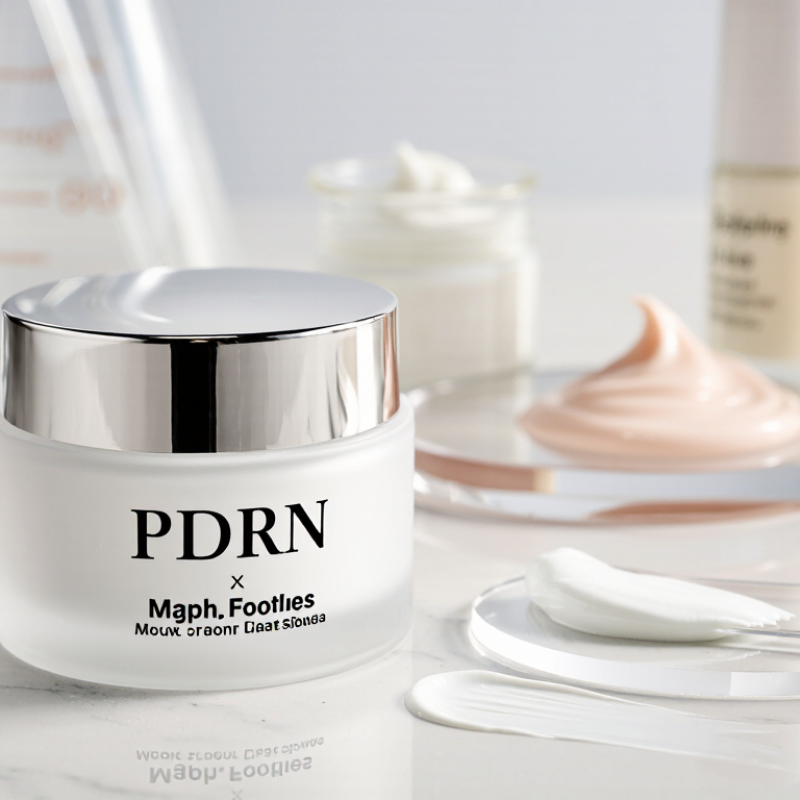
China Top PDRN Face Cream Manufacturers for Global Buyers?

What PDRN Face Cream Is and How It Is Used

What PDRN Face Cream Is and How It Is Used

PDRN is short for polydeoxyribonucleotide, a group of DNA-derived molecules used in some skincare products. In a face cream, it is presented as a topical cosmetic ingredient, not a guaranteed treatment for skin concerns. Formulas vary, and results depend on the full ingredient blend, skin type, and regular use. The evidence for creams should not be confused with research on other forms of PDRN.

Apply a small amount to clean, dry skin, following the product directions. A pea-sized dab is often enough for the face; avoid the eyes unless the label says otherwise. Start every other night if your skin is sensitive, then adjust if comfortable. Keep expectations modest. A cream may support a moisturized, smoother-feeling routine, but it cannot promise deep repair or dramatic change. I would watch for irritation rather than assume that tingling means it is working.

Tips: Patch-test first on a small area. Check the ingredient list, especially if you react to common fragrance or preservatives. Use sunscreen during the day. If redness or burning persists, stop using it and seek advice from a qualified skin professional. Formulas can differ more than product names suggest.

PDRN Face Cream: A Simple Use Routine

PDRN (polydeoxyribonucleotide) is a DNA-derived ingredient used in some skincare products. Apply a face cream according to its product label; formulations and directions vary.

The bars show step order only—not dosage, duration, product performance, or clinical results. Patch-test new skincare products and use sunscreen as part of a daytime routine.

How China’s PDRN Face Cream Manufacturing Sector Works

China’s PDRN face cream sector is built around coordinated steps, not a single production line. Suppliers define the PDRN material’s origin, grade, and documentation before formulators test it in a cream base. Small pilot batches help reveal changes in color, odor, texture, and pH. Details matter.

At the factory, emulsification, filling, and sealing are usually handled in controlled stages. Technicians record batch weights, mixing temperatures, and equipment-cleaning checks. Stability testing can track separation, scent shifts, and packaging compatibility over time. Yet a smooth sample is not proof of long-term consistency. Not always.

Global buyers should review ingredient specifications, test methods, batch records, and the supplier’s quality system. Ask how the manufacturer handles rejected batches and changes to raw-material suppliers. Labels and product claims also need review for each intended market. Requirements vary, so independent regulatory advice may be useful. Some factories communicate well, but documentation can still arrive late or feel incomplete. That gap deserves attention before a large order.

How to Assess Chinese PDRN Face Cream Manufacturers

How to Assess Chinese PDRN Face Cream Manufacturers

China’s PDRN face cream suppliers vary in technical depth, so assess evidence, not presentation. Grand View Research valued the global skincare market at US$115.65 billion in 2023 and projected 4.7% annual growth through 2030. That signals demand, not product quality. Ask manufacturers to identify the PDRN source, provide batch-specific certificates of analysis, and explain how identity and stability are tested. A sample alone is not proof.

Review the factory’s quality system against ISO 22716 cosmetics GMP guidance. Request recent third-party microbiological and stability results, plus packaging compatibility data. Check whether the reported formula, ingredient list, and sample match. For PDRN, ask about the analytical method and how results are interpreted; vague “purity” claims deserve follow-up. I would not rely on a polished product deck. A clear answer may still be incomplete, so record open questions and verify them independently.

Tips: Request a pilot batch and retain sealed samples. Compare batch documents, labels, and test results before scaling. If the supplier cannot explain a discrepancy plainly, pause.

Quality, Safety, and Regulatory Checks for Global Buyers

Global buyers assessing China-based PDRN face cream manufacturers should look beyond polished samples. Ask for the full ingredient list, the stated PDRN source, and documents linking each batch to its raw materials. A certificate of analysis is useful, but check its test methods, dates, and issuing laboratory. Paperwork alone is not proof.

Safety checks should match the finished cream, not just one ingredient. Request microbial testing, stability data, and packaging compatibility results. Review how the manufacturer controls temperature, filling hygiene, and batch changes. PDRN performance can depend on formulation and storage, so ask for supporting data rather than relying on broad marketing claims. I would also verify that product claims and labels fit the destination market’s rules; requirements differ, and a cream may face different classification depending on its claims. Details matter.

Tips: Keep a dated sample and compare it with later production batches. Have an independent laboratory test a risk-based set of samples. Check that records are traceable and readable. If a supplier cannot explain a result plainly, pause and ask again. Even careful checks have limits, so build in time for review before shipment.

How to Compare Suppliers and Plan International Sourcing

For global buyers, comparing PDRN face cream manufacturers starts with clear product specifications. Request the full ingredient list, PDRN source and concentration range, batch documentation, and stability data. Check whether the finished cream’s texture, scent, and packaging match your target market. Ask how samples are made and whether production batches follow the same process. A sample can look convincing. Consistency matters more.

Compare suppliers on quality controls, communication, minimum order quantities, lead times, and change management. Request recent test records for microbiological quality and product stability, and confirm which tests are performed by independent laboratories. Review packaging compatibility, shelf-life information, and the documents provided for export. Requirements vary by destination, so verify import and labeling rules with qualified local advisers. A low quote may exclude testing, packaging, or freight. A spreadsheet helps, but it can hide weak assumptions; revisit the numbers before placing an order.

Tips: Send every supplier the same written checklist. Ask for a production timeline with sample approval, manufacturing, testing, and shipping milestones. Clarify payment terms and how defects are handled. Keep written records of specification changes. Small details matter. If an answer is vague, ask for a document or a specific example.

FAQS

How is a PDRN face cream typically developed?

Suppliers define the material’s source, grade, and documentation. Formulators test it in a cream base. Details matter.

What should buyers check about the PDRN material?

Request source details, batch-specific analysis certificates, and methods for checking identity and stability. Ask how results are interpreted.

Why request a pilot batch?

Small batches can reveal changes in color, odor, texture, and pH. Keep sealed samples for comparison. A sample is only a start.

Which production records are useful?

Review batch weights, mixing temperatures, and equipment-cleaning checks. These records help explain differences between batches.

What testing should a manufacturer provide?

Request recent microbiological and stability results, plus packaging compatibility data. Check for separation or scent changes over time.

Does a smooth sample prove the cream will stay consistent?

No. A good-looking sample does not establish long-term consistency. Not always.

How can buyers assess a factory’s quality system?

Review its cosmetics manufacturing guidance, test methods, and batch records. Compare the reported formula, ingredient list, and sample.

What should buyers do if documents or answers seem incomplete?

Record open questions and verify important details independently. Ask how rejected batches and raw-material supplier changes are handled. I might still miss a gap.

What should be reviewed before placing a large order?

Compare pilot-batch documents, labels, and test results before scaling. Review claims for each intended market; requirements vary.

Conclusion

This article introduces PDRN Face Cream, explains its intended role in a skincare routine, and outlines how it is generally used. It also describes the structure of China’s manufacturing sector, from product development and formulation to production and export preparation. Rather than treating every supplier as the same, the article encourages buyers to understand each manufacturer’s capabilities, experience, communication process, and ability to meet specific product requirements.

For international sourcing, the article presents practical steps for evaluating potential manufacturers and comparing quotations, minimum order quantities, lead times, samples, and customization options. It also highlights the importance of reviewing product specifications, ingredient information, quality-control procedures, safety documentation, packaging details, and requirements in the destination market. These checks can help buyers make informed decisions, reduce sourcing uncertainties, and build a clear plan for supplier selection, production, and shipment.

Charlotte

Charlotte

Charlotte is a dedicated marketing professional with a deep understanding of the company’s products, market trends, and customer needs. With a strong background in strategic communication, content development, and digital marketing, Charlotte regularly contributes expert articles to the company’s......